Red Sea Attacks Hit Saudi Tankers, Push Brent Above $96
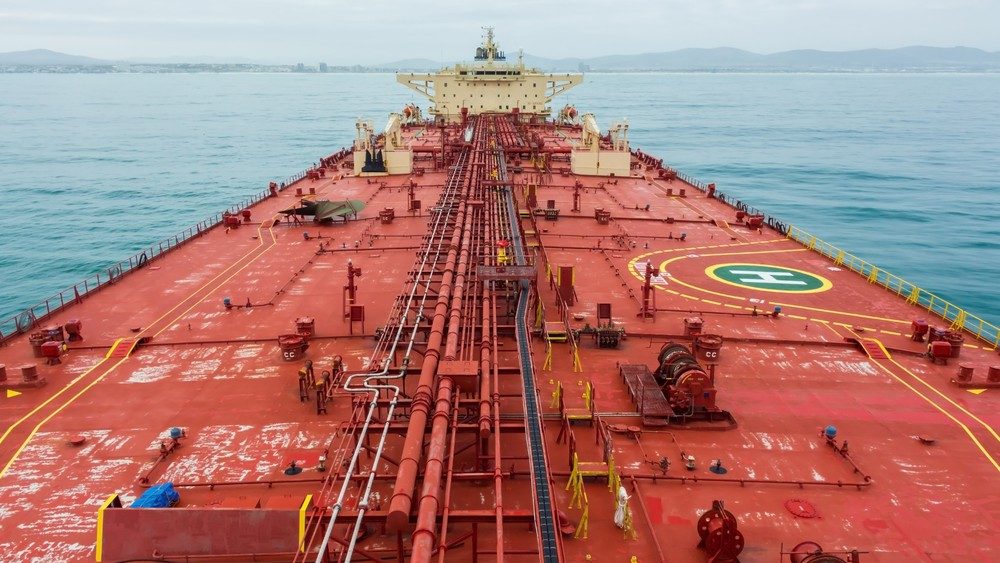
Houthi attacks on two Saudi crude tankers at a critical Red Sea chokepoint are disrupting global oil supply routes and driving Brent prices above $96 a barrel.
Yemen’s Houthi forces attacked two Saudi oil tankers in the Bab el-Mandeb Strait, forcing vessels to divert from the critical Red Sea shipping lane. Houthi spokesman Yahya Saree identified the targeted vessels as the Encelia and the Layla, stating they were struck for violating a newly declared naval blockade. One tanker was loaded with crude bound for India, while the other was carrying oil to China with a Chinese crew on board.
The Saudi state news agency SPA confirmed at least one strike, noting that a tanker was on fire. The attacks mark a direct hit on the physical supply chains connecting Middle Eastern producers with major Asian demand centers. This military escalation follows 12 consecutive days of U.S. strikes on Iranian targets, further destabilizing the region's energy infrastructure.
The immediate market reaction was sharp, with Brent crude topping $96 per barrel and West Texas Intermediate also climbing. The price surge reflects growing anxiety among traders over the reliability of maritime energy routes. Any sustained closure or risk premium applied to the Red Sea route threatens to tighten global supply balances.
Traffic data confirms that vessel operators are actively avoiding the danger zone. Only 27 vessels, including five crude oil tankers and one liquefied natural gas carrier, crossed the Bab el-Mandeb chokepoint on Wednesday. That figure represents a sharp drop from 38 tanker crossings on Tuesday, indicating a rapid deterioration in shipping confidence.
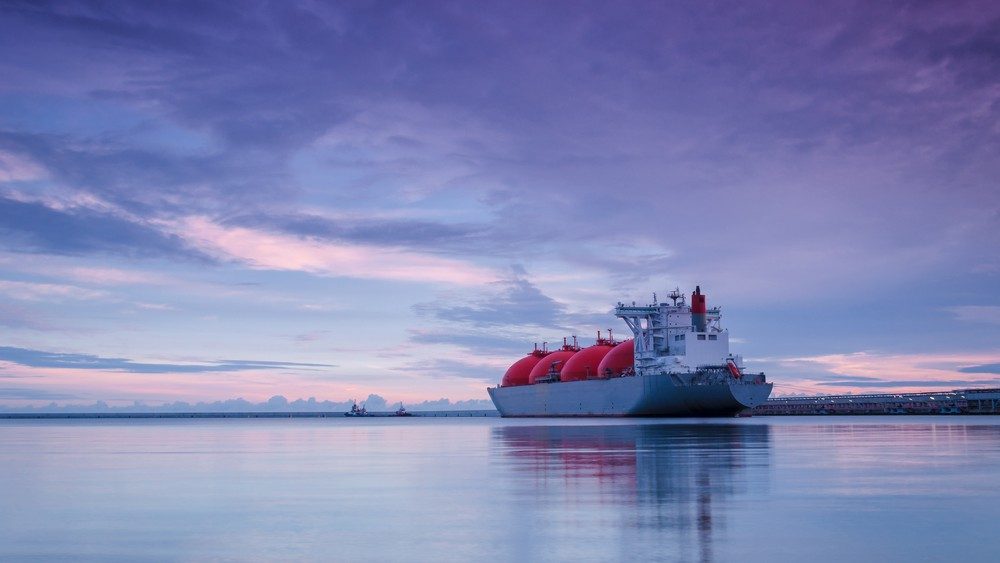
The Red Sea bottlenecks are compounding a severe logistics crisis further north at the Strait of Hormuz. Traffic there remains a fraction of pre-war levels, with 253 energy commodity carriers currently stuck in the Persian Gulf. The stranded fleet includes 102 crude oil tankers, 64 LNG carriers, and 66 vessels loaded with liquefied petroleum gas.
The sheer volume of halted energy cargoes points to a substantial near-term supply squeeze. Matthew Wright, principal freight analyst at Kpler, noted that while only two ships have turned away from the Red Sea so far, the industry is clearly reacting to the elevated risk. “While it’s only two vessels so far, it suggests owners and operators are taking the threat seriously,” Wright said. “If this becomes a broader trend, the implications extend well beyond a handful of diverted cargoes.”