Oil Near $100 as Houthi Blockade Threatens Saudi Red Sea Exports
Ansar Allah attacks on Saudi tankers have pushed crude prices toward $100 a barrel, exposing a critical vulnerability in global energy supply chains as the Strait of Hormuz remains blocked.
Crude prices jumped to $96 a barrel after Yemen’s Ansar Allah targeted two Saudi tankers in the Red Sea, establishing a new chokepoint for global energy markets. The group used missiles and drones to strike the vessels Encelia and Layla, enforcing a declared maritime embargo on the kingdom. Several tankers have already turned around, disrupting the flow of crude through a corridor that has become indispensable since shipping through the Strait of Hormuz largely ceased.
The tanker strikes represent a dangerous expansion of a conflict showing no signs of de-escalation. The US conducted its 12th consecutive night of airstrikes on Iranian missile and air-defense facilities, while Iran responded by firing on American military sites in Kuwait and Jordan. Tehran has explicitly tied the maritime disruptions to the broader conflict, with chief negotiator MB Ghalibaf warning that if Iran cannot export oil, "no one will sell oil" from the region.
Despite these physical supply threats, market participants remain dangerously complacent. Analysts point out that current pricing fails to account for a confluence of tightening factors. "Even at $94.00 Brent, there’s enormous optimism in the price," noted energy analyst McNally, adding that this entrenched trader optimism is "unwarranted" and risks a sharp repricing higher.
The downstream sector is equally fragile. Global refineries have been running at 95% utilization for an extended period, delaying necessary maintenance. This punishing pace puts 500,000 to 600,000 barrels a day of capacity at risk of unplanned outages. Combined with the potential loss of the Yanbu terminal—which handles 4.9 million barrels a day—global supply buffers are effectively exhausted.
McNally projects oil could reach the $100 to $110 range in a matter of weeks if Ansar Allah damages the Yanbu terminal, a target well within the group's capabilities. Washington's ability to cushion such a severe shock is heavily constrained. The US is reportedly preparing to draw its strategic reserves down to as low as 150 million barrels by utilizing emergency waivers.
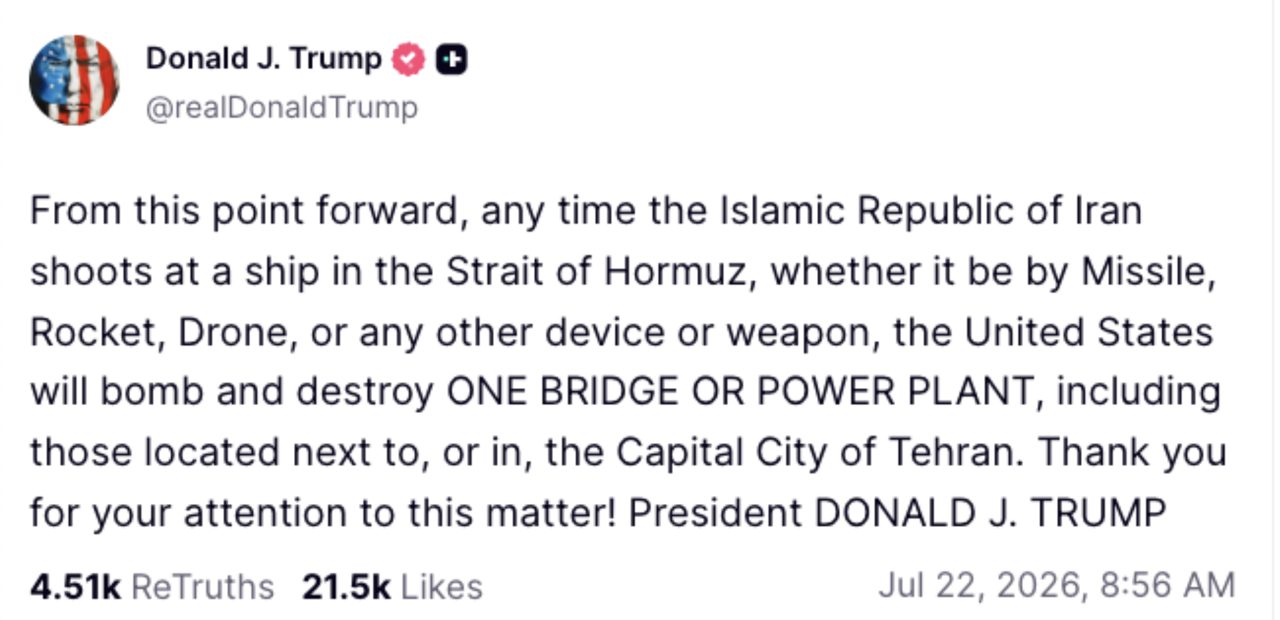
This depletion of state buffers occurs alongside a massive escalation in US regional commitments. Congress passed a $1.15 trillion defense bill incorporating an Israel "merger," while President Trump signed a separate nuclear deal with Saudi Arabia. For markets, the immediate concern remains crude supply, as Iran has vowed to retaliate against regional energy infrastructure if the US seizes any of its vessels.