Nigeria Senate advances bill to tighten foreign aid oversight
Nigeria's Senate has advanced legislation that would force foreign aid and NGO funding into the national budget, a move that could reshape operational risks and compliance requirements for development partners operating in the country.
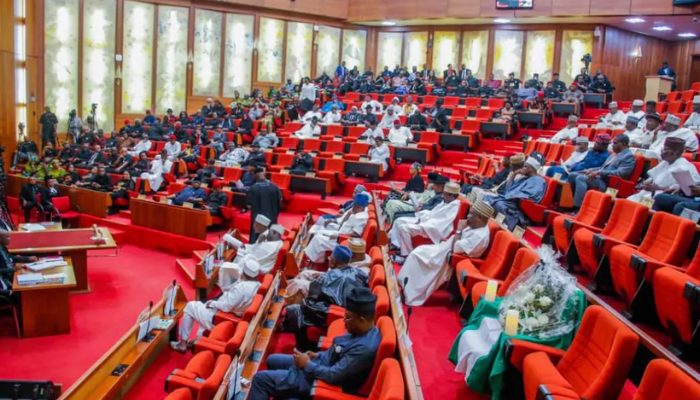
Nigeria’s Senate has passed for a second reading a bill that would subject all foreign aid, donor-funded projects, and NGO grants to strict legislative oversight. The proposed law aims to integrate billions of naira in annual foreign assistance into the country’s formal fiscal planning process, which is currently bypassed by many international donors.
Sponsored by Senator Ibrahim Dankwambo, the legislation would establish a National Donor Coordination Framework and a centralized database for foreign assistance. It mandates the compulsory registration of all donor-funded projects and requires their integration into government budgets across federal and state levels. Lawmakers argued that the current fragmented system leads to duplicated efforts and weak accountability.
For development partners and non-governmental organisations, the bill introduces significant new compliance hurdles. It demands mandatory public disclosure of funding and project implementation, backed by sanctions for the diversion, misuse, or failure to register donor-funded programmes. Senator Adams Oshiomhole advocated for stiff penalties to ensure compliance, signaling a strict regulatory environment for civil society groups.
Lawmakers framed the bill around both fiscal transparency and national security, raising concerns that unregulated funds are vulnerable to diversion. "We can’t tell what money goes into the coffers of NGOs. Fraudsters set up bogus, pseudo NGOs and collect money from there," said Deputy Senate President Jibrin Barau. Finance Committee Chairman Sani Musa raised the stakes further, asking: "Is it insurgents taking money meant for victims?"
Beyond security, the bill seeks to clarify the distinction between foreign direct investment and grant inflows. Senator Musa noted this separation is necessary to improve macroeconomic planning and policy coordination. Off-budget donor projects currently create blind spots in Nigeria's fiscal picture, making it difficult to accurately assess total capital flows into the economy.
Not all lawmakers viewed the increased scrutiny as a deterrent. Senator Adamu Aliero argued that improved regulation would actually enhance transparency and encourage development partners to deepen their support for Nigeria. He noted that during previous oversight visits, government agencies could not satisfactorily account for the donor funds they had received.
The legislation has been referred to the Senate Committees on National Planning and Economic Development and Finance. Lawmakers have directed the panels to report back within four weeks, setting a rapid timeline for a regulatory shift that will directly affect how aid enters Africa's largest economy.