Dangote Plans $17B Kenya Refinery to End East African Fuel Imports
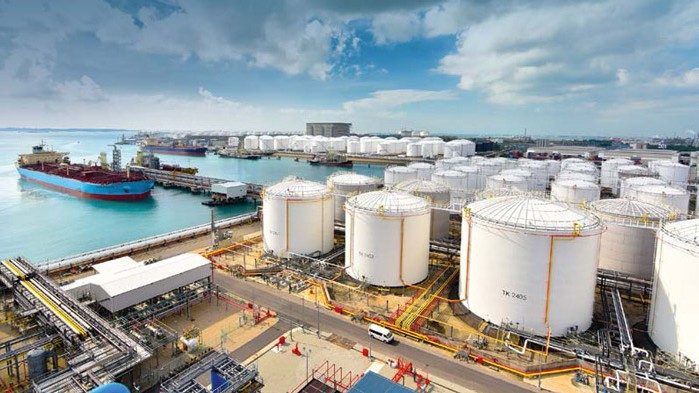
Nigerian billionaire Aliko Dangote has proposed a $17 billion refinery in Kenya capable of processing 700,000 barrels per day, a massive infrastructure bet that could eliminate the region's reliance on imported fuel and reshape intra-African trade flows.
Nigerian billionaire Aliko Dangote has proposed building a $17 billion oil refinery on Kenya’s Lamu Island with a capacity of 700,000 barrels per day. The facility would process crude for Kenya, Uganda, South Sudan, Rwanda, Burundi and the DRC, replacing the refined fuel imports the region has relied on since its last refinery closed in 2013. Tanzanian billionaire Mohammed Dewji has indicated he will commit $100 million to the development.
The planned capacity outstrips East Africa’s current demand of 450,000 barrels per day by roughly 250,000 barrels, creating a substantial surplus for export. Lamu’s harbor features 18-meter drafts capable of accommodating fully laden Post-Panamax tankers carrying up to 2 million barrels, giving the site a logistical edge over Mombasa for both crude imports and refined fuel exports. The project aligns directly with the African Continental Free Trade Area, targeting a 55-country market with 1.4 billion people and a combined GDP of $3.4 trillion.
A Proven Financial Model
The proposal is modeled on the 650,000-barrel-per-day Dangote Refinery commissioned in Nigeria in 2023. That facility eliminated Nigeria’s reliance on imported gasoline, diesel, and jet fuel, a structural shift that significantly improved the country's balance of payments. By retaining capital domestically and reducing foreign exchange demand, the Nigerian plant helped stabilize currency fluctuations and contributed to the nation's first sovereign credit rating upgrade to B in 14 years.
However, the Kenyan project carries distinct market risks. Economists warn that demands for anti-dumping protections and tax incentives could trigger a backlash if Dangote Industries is perceived as attempting to corner the regional fuel market. In Nigeria, the company’s refinery became embroiled in regulatory battles with the state oil firm and marketers after seeking to nullify rival import licenses to protect its market share.
Legal and ESG Headwinds
Environmental and legal obstacles also threaten the project's timeline and capital deployment. Greenpeace Africa and local groups have warned the facility could devastate Lamu’s UNESCO-listed marine ecosystem, which supports local tourism and fisheries. Critics also argue the plant risks becoming a stranded asset as global energy transitions accelerate.
Human rights lawyers have threatened High Court cases to halt the project until comprehensive environmental and social impact assessments are completed. Until these regulatory and ecological risks are resolved, the project's path to financial close remains highly uncertain.