US diesel hits $5.13 as refining capacity maxes out
Surging diesel prices driven by maxed-out US refineries threaten to squeeze corporate margins and consumer spending through the summer, even if crude benchmarks stabilize.
US diesel prices jumped 34 cents last week to $5.13 a gallon, marking the steepest weekly increase since the onset of the Iran conflict in March. While Brent crude sits at $94 a barrel, the underlying market for refined fuels is flashing warning signals for the broader economy. National average gasoline prices have climbed to $4.06 a gallon, but the real economic strain is concentrated in the diesel market.
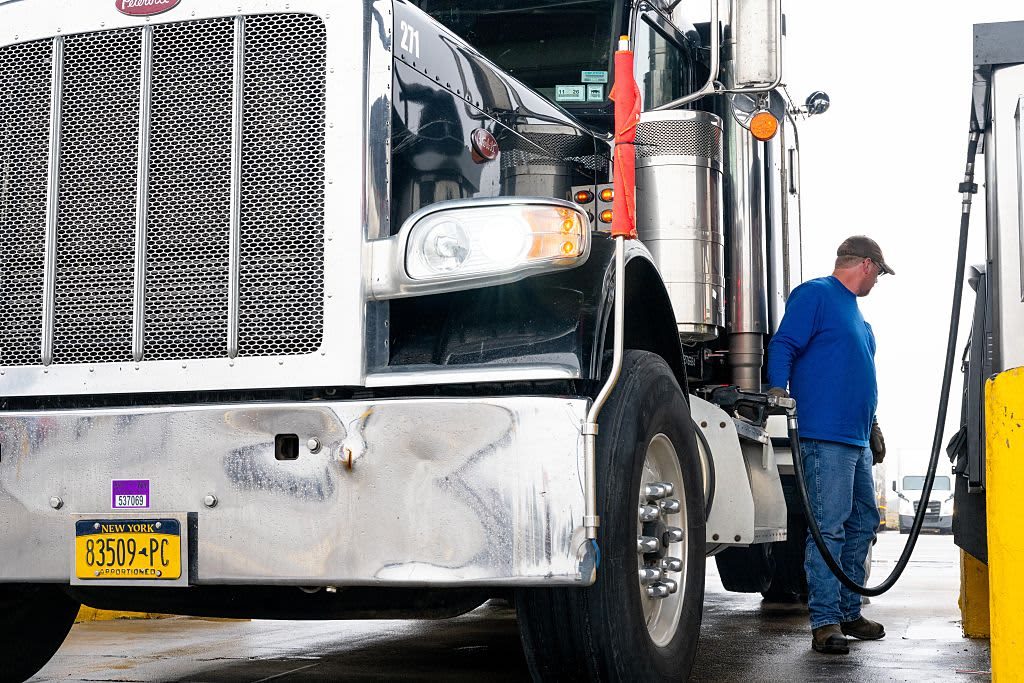
Diesel directly drives freight and logistics costs, making its price trajectory a critical metric for corporate bottom lines. "Because of course that is the lifeblood of the U.S. economy," said Christian Lawrence, head of Americas and energy market strategy at Rabobank. The recent spike will translate into higher fuel surcharges for airlines and shippers, pushing inflation through supply chains well beyond the pump.
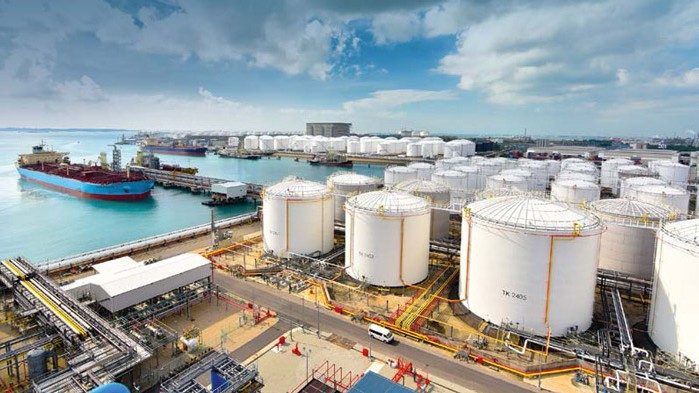
The disconnect between crude prices and retail pain stems from a severe bottleneck in the refining sector. U.S. refineries are operating at 96.1% capacity, largely because they shifted production early in the war to supply jet fuel to European markets cut off from Middle Eastern suppliers. This overdrive has drained inventories to critical levels, with storage at the Cushing, Oklahoma hub sitting at so-called "tank-bottom" since early June.
Global refining supplies are tightening further. BofA Global Research analysts note that Ukraine has struck 24 of Russia's 34 largest refineries over the past three months, turning Russia from a diesel exporter into an importer just as China is restocking. This creates a structural asymmetry for prices. "If oil goes up, then diesel prices are going up," Lawrence noted. "If oil goes down, diesel prices might come off a little bit, but they're still going to be much higher."
The White House has few remaining policy levers to pull. The Strategic Petroleum Reserve has fallen to 311 million barrels, its lowest level since 1983, after previous releases, sanctions easing, and shipping rule changes that are already priced into the market. White House spokeswoman Taylor Rogers argued that degrading Iran's ability to disrupt the Strait of Hormuz will eventually push prices back to pre-conflict levels.
However, the immediate reality is a renewed hit to consumer affordability. Even with a better-than-expected consumer price index reading of 3.5% for June, elevated fuel costs are set to erode wage gains. A recent survey found 37% of U.S. voters are relying more on credit cards for daily purchases due to higher food and gas prices, up six percentage points since April. Investors should expect diesel to remain elevated at least through Labor Day. "But this takes time. There is no short-term solution," Lawrence said.