Paraguay soy export surge lifts guaraní despite Argentina risk
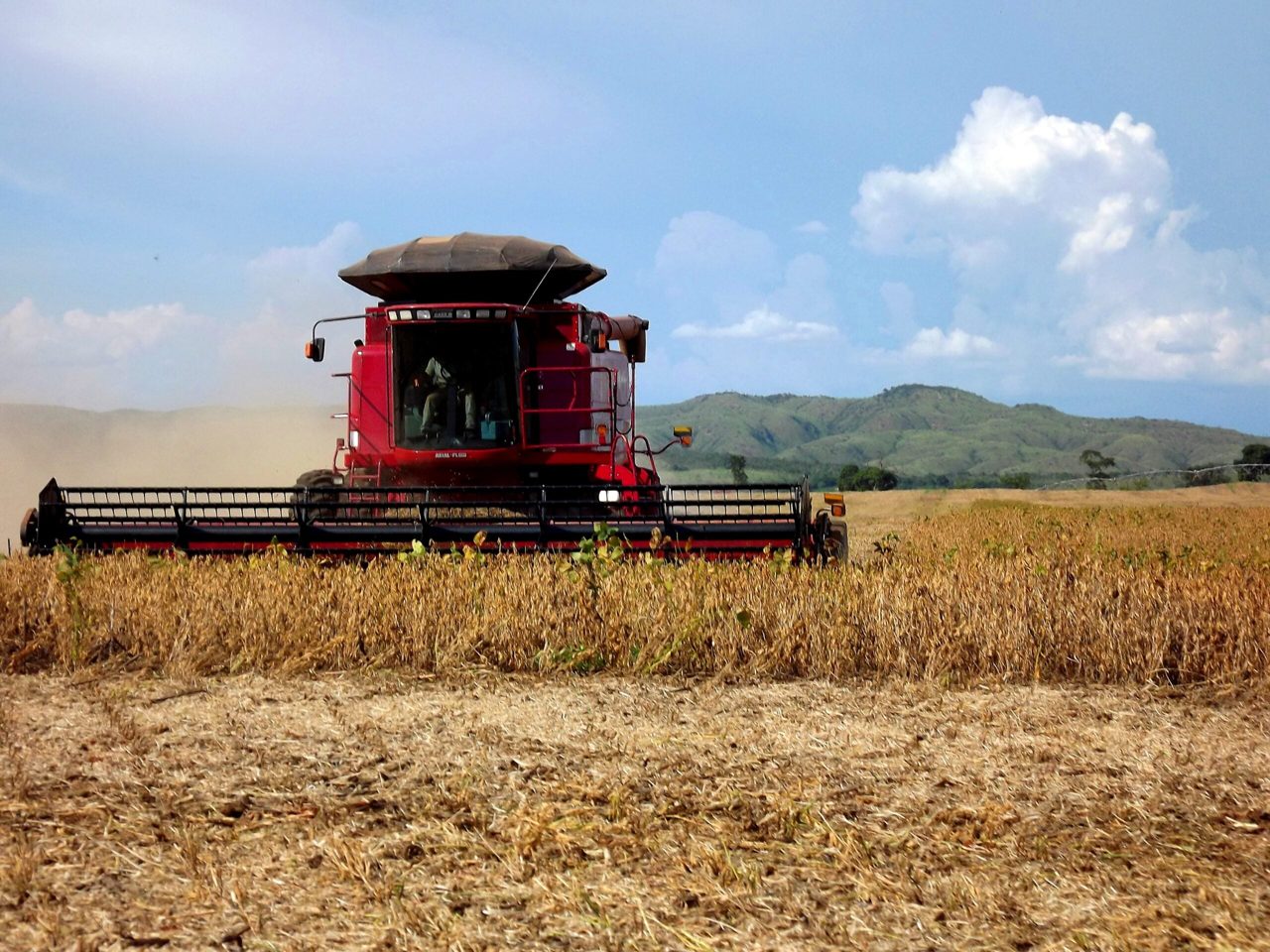
A 51% jump in Paraguayan raw soybean exports to $2.27 billion is bolstering the country's currency and reserves, though heavy reliance on a single buyer exposes investors to Argentine policy shocks.
Paraguay’s raw soybean exports surged 50.9% to $2.273 billion in the first half of 2026. The rebound follows a severe drought in the prior cycle, with the 2025/26 harvest recovering to roughly 10.5 million tonnes. Combined with firm international prices driven by Brazilian supply concerns, the broader soy complex generated $2.977 billion in revenue over the period.
This agricultural windfall drove total Paraguayan exports up 23.6% year-on-year to $10.16 billion. Because the soybean complex accounts for roughly a quarter of the country’s total export earnings, the sudden influx of hard currency is providing critical support to the central bank's reserves. The resulting strength in the guaraní helps contain inflation and stabilizes the broader macroeconomic environment. Furthermore, the trade bounceback is shielding employment in transport, port logistics, and financial services that orbit the commodity.
Paraguay’s ability to capitalize on this recovery hinges on its river infrastructure rather than just farm yields. Lacking a coastline, the country relies on a strategic barge network along the Paraguay-Paraná waterway. Private ports near Asunción load raw beans onto barges headed downstream to major crushing hubs, keeping freight costs competitive.
However, this logistics model creates a pronounced vulnerability for investors to monitor. Argentina purchased 86% of all raw soybeans Paraguay shipped abroad in the first half of the year, with Brazil taking an additional 9%. Argentine facilities in the Rosario hub favor Paraguayan beans because trucking domestic supplies from Argentina's distant northern provinces is costlier and more complex. The remaining 5% went to a mix of buyers including Saudi Arabia, the United States, and South Korea, but these offer only marginal diversification.
For market professionals, this extreme geographic concentration represents a critical risk factor. While the integrated supply chain guarantees steady baseline demand for Paraguayan farmers, it leaves farm-gate prices highly exposed to policy shifts in Buenos Aires. Any future adjustments to Argentine export taxes or currency controls would ripple directly into Paraguayan revenues, tempering the otherwise positive outlook for the sector.