Asia tech rebound hinges on earnings as risks simmer
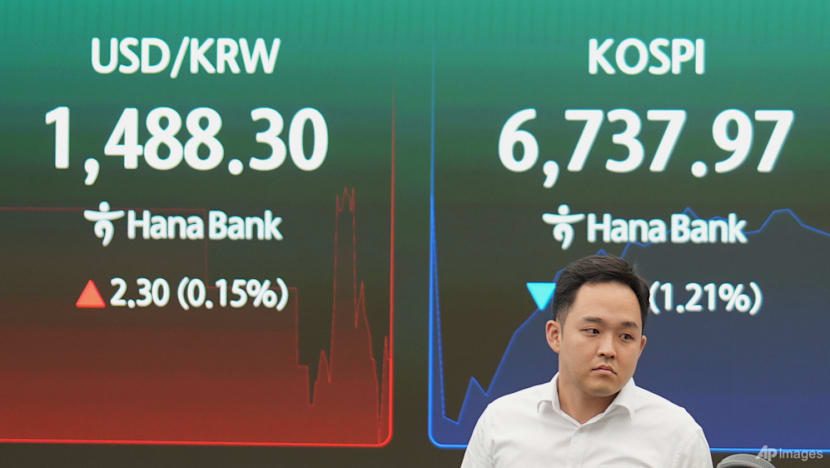
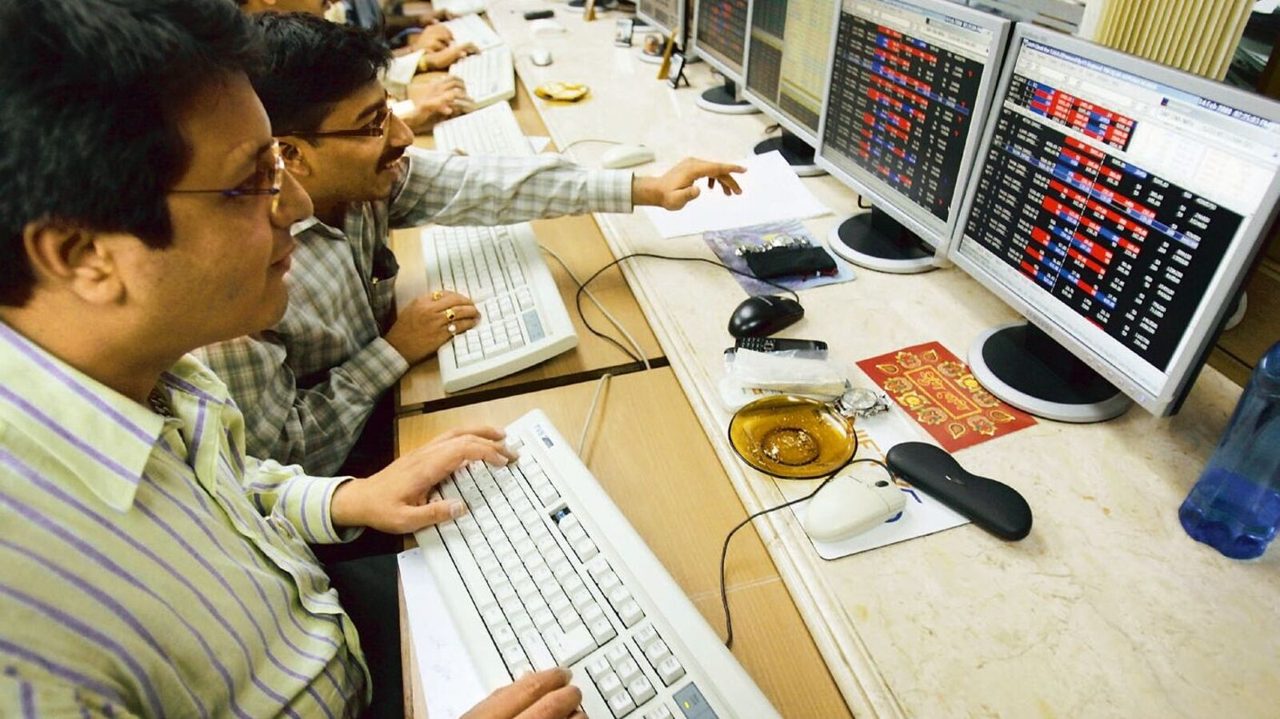
Asian equities rallied behind a recovery in chip stocks, but the advance remains fragile ahead of crucial Big Tech earnings while geopolitical tensions keep oil markets on edge.
Asian equities mostly rebounded on Tuesday after days of losses, led by a recovery in technology shares. The advance followed a rally in US tech stocks on Monday, pushing Japan's Nikkei up 1.75 per cent and South Korea's KOSPI 3.6 per cent higher. Chip stocks had recently led a regional rout driven by concerns that artificial intelligence valuations had become overextended.
However, analysts warned that the bounce lacks a solid foundation. Stephen Innes of SPI Asset Management noted the move did not appear driven by "a decisive improvement in the AI fundamentals". Upcoming results from major US technology firms will now dictate whether the sector can sustain its premium. "Big Tech earnings now need to prove that AI revenues, margins and cash flow can justify the scale" of massive infrastructure investments, Innes said. Tesla and Alphabet report this week, followed by Microsoft, Meta, Apple and Amazon next week.
Outside of equities, oil prices eased slightly despite a significant escalation in Middle East hostilities. Iran's Revolutionary Guards said they hit US military targets, including air defence systems in Bahrain and Kuwait, according to state news agency IRNA. The strikes followed weekend fighting that saw the US announce three military fatalities and one service member missing.
Iran's Houthi allies further threatened to blockade Saudi ports, risking Riyadh's ability to route oil exports around the Strait of Hormuz. Yet markets largely priced in a de-escalation. "In practice, we think even if there were disruptions it is unlikely to be sustained given the lack of capability right now by the Houthis to do so and also differentiate which are Saudi linked ships or not," said Michael Wan at MUFG. "All-in from a market perspective we think it's still a reasonable base case that there is resolution in the conflict, even if things may get worse before it gets better," Wan said.
Geopolitical and trade frictions extended beyond the Middle East. US President Donald Trump signed orders imposing new 50 per cent tariffs on many Canadian goods, citing "discriminatory treatment" against American alcohol, automobile and dairy products. In Europe, British gilt yields rose after new Prime Minister Andy Burnham made comments regarding public finances that spooked bond investors. In Asia, US Secretary of State Marco Rubio condemned "dangerous and aggressive actions" by China following a naval clash with the Philippines in the South China Sea.