World Cup ratings set stage for next streaming rights battle
The 2026 World Cup delivered record U.S. viewership for Spanish-language broadcaster Telemundo, underscoring the tournament's value as a media asset and setting up a fierce bidding war for future rights among legacy networks and Big Tech.
The 2026 World Cup concluded with a clear financial winner in the U.S. broadcast market: Spanish-language network Telemundo. The Comcast-owned broadcaster drew an audience for the Mexico-England quarterfinal that eclipsed English-language rival Fox and outpaced the NBA Finals, according to Telemundo CEO Cesar Conde.
The Mexico-England match attracted over 44 million U.S. viewers, surpassing the 21 million average for the NBA Finals, which peaked at 33 million for Game 5. This performance elevates soccer into the rarefied ratings air typically reserved for the Super Bowl and the Olympics. For investors, it signals that the U.S. Hispanic market is a primary driver of premium live sports valuations.
These figures foreshadow a costly battle for the next tournament's broadcasting and streaming rights. With the World Cup expanding to 64 teams, the inventory will only grow. Telemundo recently secured Spanish-language rights to the European Champions League, but the next World Cup cycle will inevitably see aggressive bids from technology giants like Netflix and Amazon.
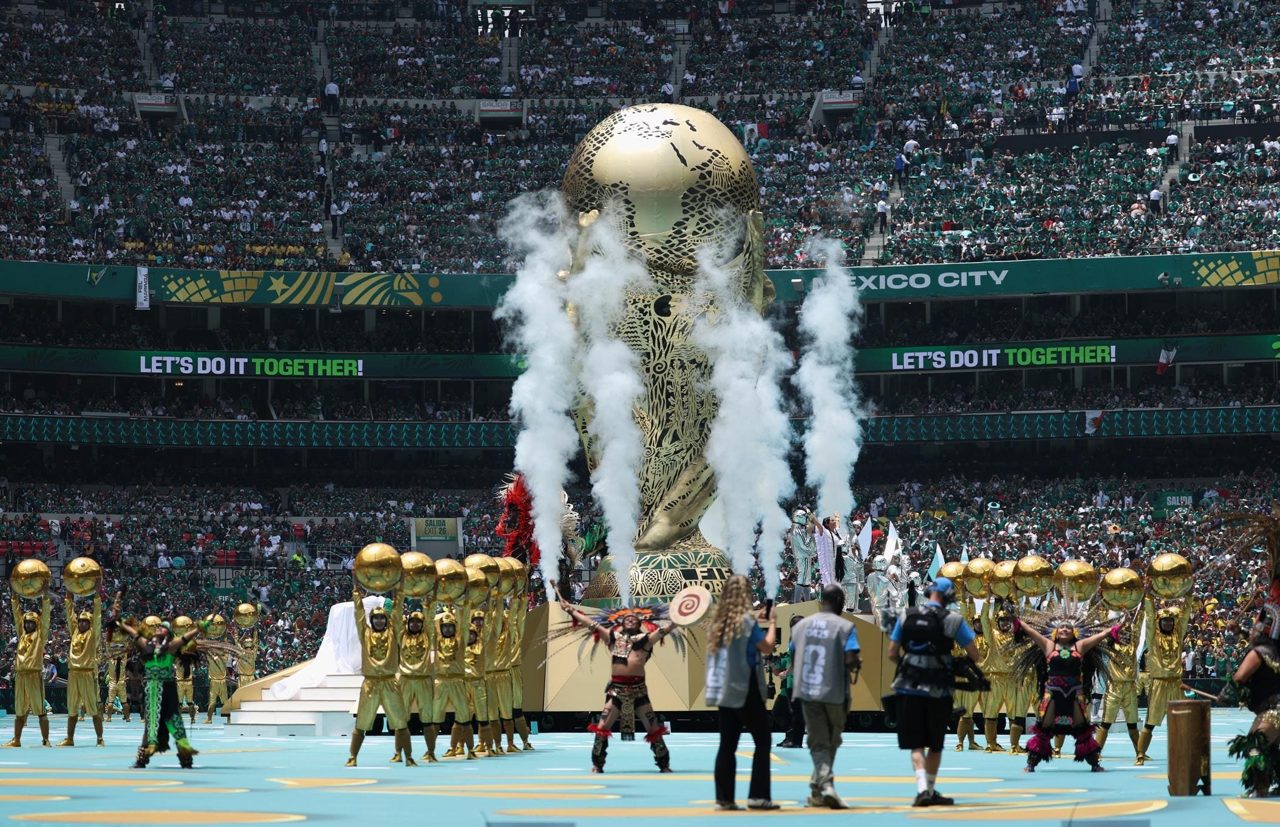
Beyond traditional broadcasting, the tournament demonstrated its power as a multi-platform retail and entertainment engine. National team kits drove heavy social media engagement and copycat retail demand for items like player-branded sneakers. The final's half-time show merged live sports with global music stars, an integration that will only deepen as live events become the center of the media business.
However, the financial halo effect has strict limits within the domestic sports landscape. The tournament is unlikely to elevate Major League Soccer into the top tier of U.S. sports, which remains dominated by American football, basketball, baseball, and hockey. Furthermore, many of the tournament's biggest draws, such as Lionel Messi, Kylian Mbappé and Harry Kane, do not play in the English Premier League, limiting the immediate pipeline for U.S. broadcasters.
For media executives and investors, the takeaway is straightforward. The World Cup is a definitive proof-of-concept for cross-cultural live programming. As Conde noted, Mexico's jersey was the most purchased of the tournament, proving that the commercial reach of the event extends far beyond the pitch.