Rosatom halves investment, risking Central Asia nuclear deals
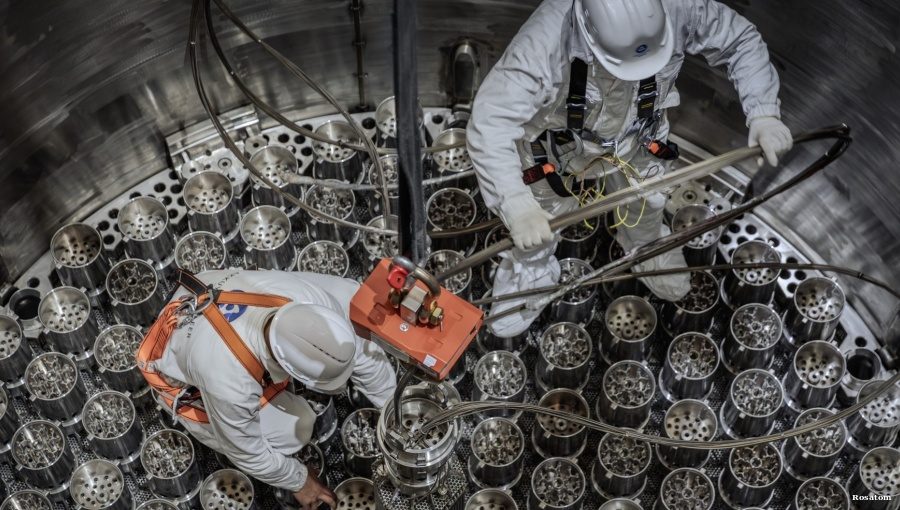
Rosatom’s drastic investment cuts threaten to derail nuclear power projects in Kazakhstan and Uzbekistan, potentially shifting regional energy contracts to Chinese and US competitors.
Rosatom is slashing its investment programme by nearly 50% this year and targeting a 10% reduction in operating costs over the next 18 months. Chief executive Alexei Likhachev blamed poor economic conditions for the abrupt retreat.
The Russian state nuclear monopoly is abandoning or delaying projects to maximise short-term returns. "We immediately abandoned a number of projects or shifted the deadlines for their implementation to a later date, guided by several criteria, the main of which is efficiency in the horizon until 2030, that is, more profit and revenue per ruble of investment," Likhachev said.
The pullback directly jeopardises Rosatom’s most significant export contracts in Central Asia, raising sovereign risk questions for regional infrastructure investors. Kazakhstan awarded the company a contract in 2025 to build its first nuclear power plant at Lake Balkhash. However, the venture has already suffered from disputes and financing setbacks, making its mid-2030s completion target look increasingly doubtful.
Uzbekistan faces similar risks. Rosatom holds a preliminary deal to construct small-scale reactors there, having offered in early 2026 to expand the scope to a nuclear cluster to calm Tashkent's financing concerns. These cost-cutting measures will likely deepen scepticism among Uzbek officials.
For international energy executives and investors, the turmoil opens a strategic window for rival nuclear vendors to capture market share in a resource-rich region. Kazakhstan already has a separate agreement with a Chinese firm to build two nuclear plants within its borders. Furthermore, both Astana and Tashkent have expressed interest in partnering with the United States to develop small modular reactor technology.
Rosatom’s sudden retreat reflects a broader, systemic deterioration among Russia’s traditional state-backed energy champions. Once a reliable cash-cow for the Kremlin, the nuclear firm is now hamstrung by international sanctions and the immense financial drain of the war in Ukraine. This same dynamic has severely crippled Gazprom, whose stock has tanked over the past three months, slashing its market capitalisation to a mere $25bn.