Buffett's $31B Alphabet Bet Sidesteps AI Debt Risks
Warren Buffett has built a $31 billion position in Alphabet, explicitly favoring the search giant’s equity-funded AI strategy over the debt-heavy models that are currently losing favor in the bond market.
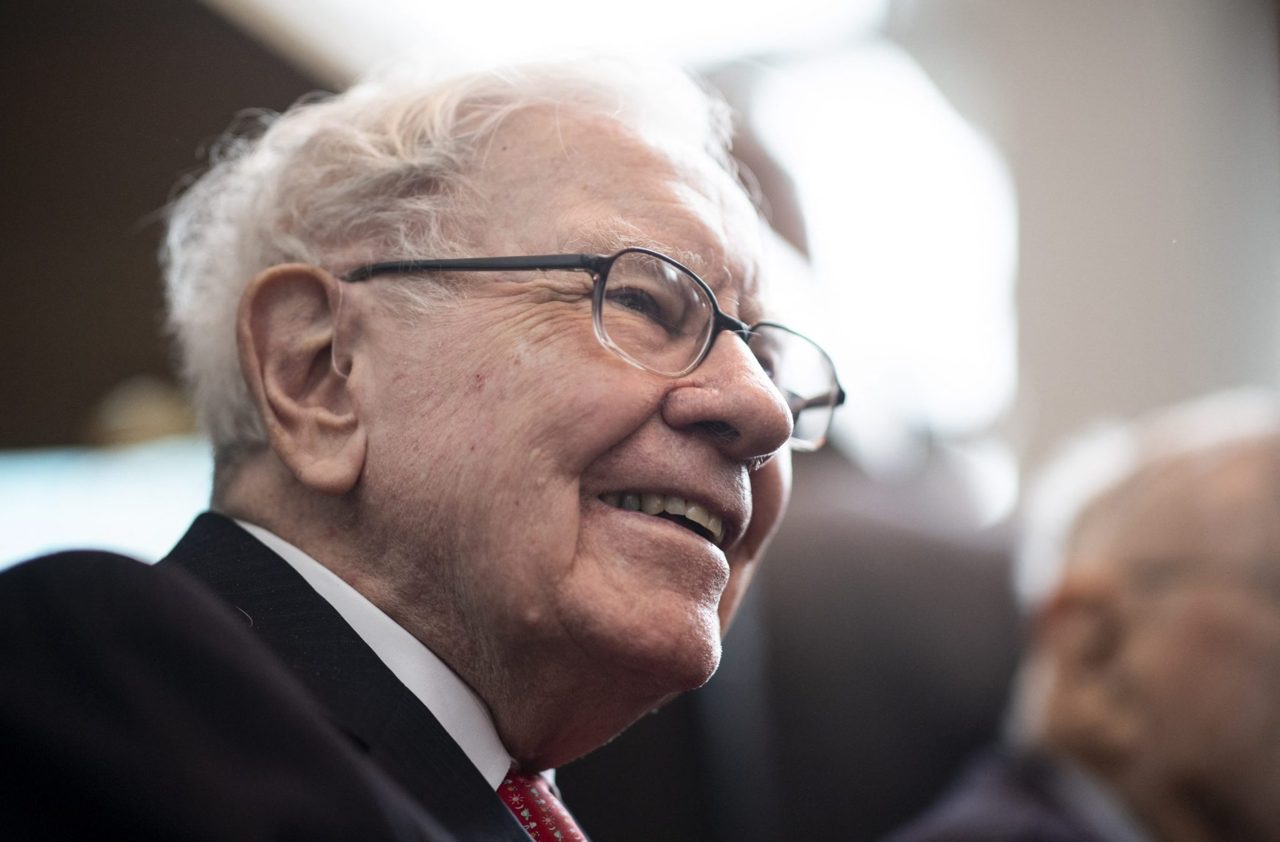
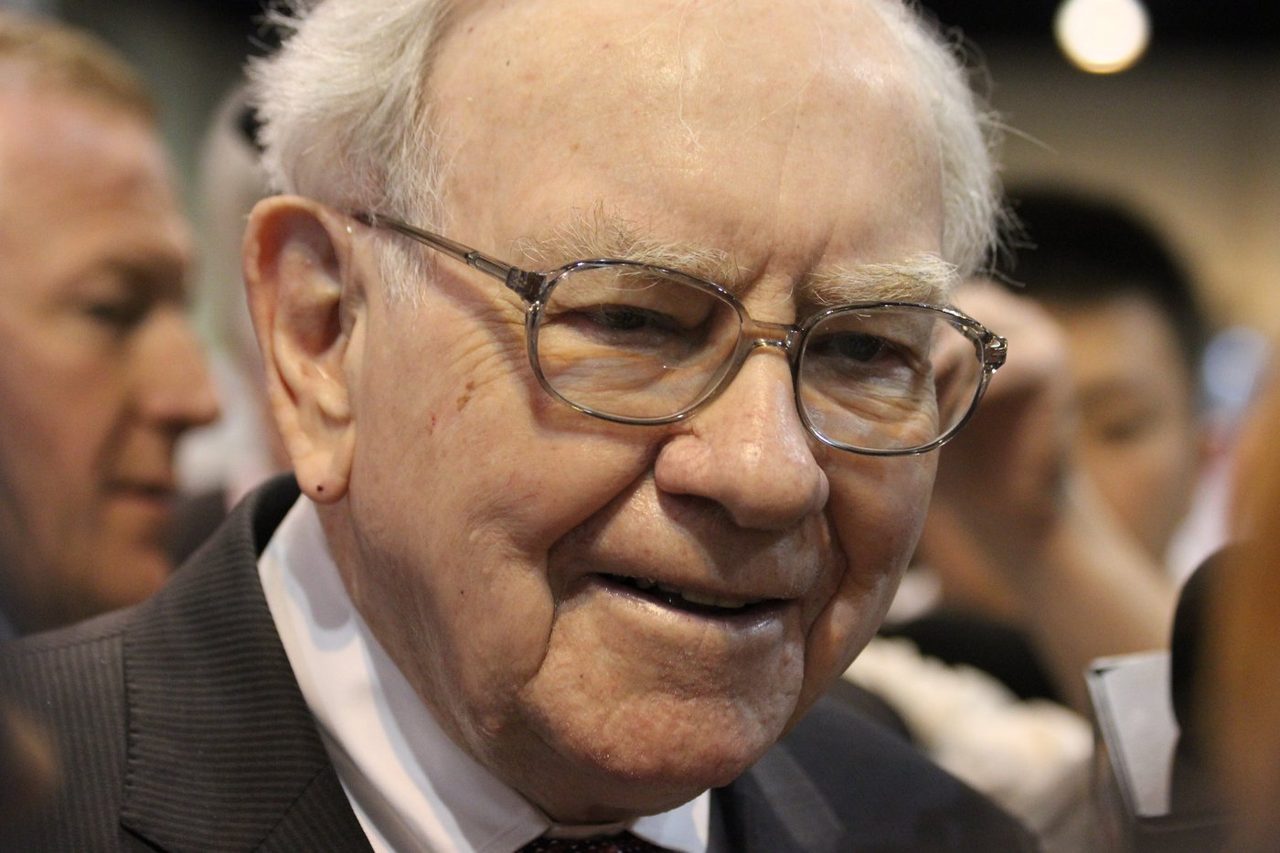
Warren Buffett personally initiated Berkshire Hathaway’s $31 billion investment in Alphabet, a stake that makes the Google parent the conglomerate’s fifth-largest holding. The 95-year-old chairman told CNBC on Wednesday that he regretted not buying the stock years ago when it was "asset-light and a markets darling."
The portfolio breakdown reveals a deliberate scaling. Berkshire now holds roughly $21 billion in public Alphabet shares. An additional $10 billion was secured through a private placement in June, which formed part of Alphabet’s massive $80 billion equity raise. The position slots behind Apple, American Express, Coca-Cola, and Bank of America in Berkshire’s portfolio.
A divergence in AI financing
The timing of Buffett’s endorsement carries significant weight amid growing scrutiny over how tech companies are financing artificial intelligence infrastructure. Capital markets are showing clear fatigue with funding the AI buildout through fixed-income instruments. According to Apollo Global Management, coverage ratios for hyperscaler bonds plummeted from nearly 5x in February to under 2x in July.
This collapse in demand signals a fundamental repricing of risk. The tech sector spent an estimated $1 trillion on data centers last year. However, planned construction between now and 2030 totals roughly $4 trillion, raising urgent questions about who bears the financial risk if AI revenues fail to materialize quickly enough to service that debt.
Many hyperscalers have leaned heavily on bonds, private credit, and off-balance-sheet structures to fund this expansion. As investor appetite cools, those companies face the prospect of heavy debt service burdens during a period of technological uncertainty. Bond buyers are effectively demanding a premium to hold what is increasingly viewed as a leveraged bet on unproven AI returns.
Alphabet has bypassed this tightening trap by funding its AI expansion largely through equity. While issuing stock is inherently dilutive to existing shareholders, it eliminates the rigid fixed costs that can crush a balance sheet during a downturn. Buffett is not acting as a lender to the AI buildout. He is buying an ownership stake in a company structurally insulated from a credit crunch.
For market professionals, the trade highlights a growing bifurcation in the AI sector between equity-financed survivors and debt-laden challengers. Buffett’s rationale rests on Alphabet’s established business model and its capacity to outlast competitors who may buckle under their own leverage. "They're more likely to be a winner based on their record than probably 90% or 95% of what gets merchandised through Wall Street," Buffett said.