Hormuz oil chokepoint under fire as Iran scraps US deal
Iran's suspension of a month-old interim deal and escalating US airstrikes targeting critical infrastructure have tightened the effective closure of the Strait of Hormuz, placing renewed pressure on global oil supply chains.
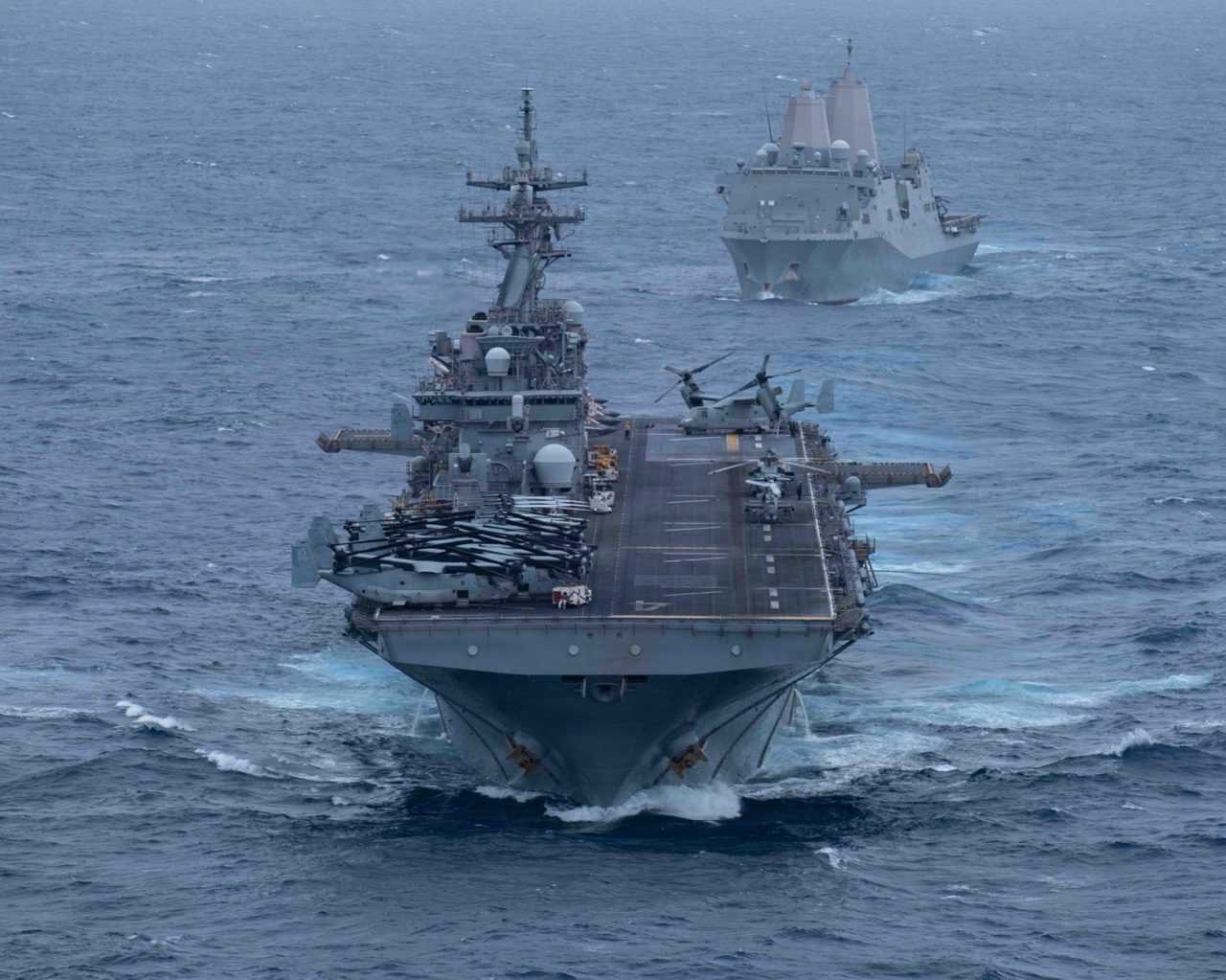
The United States military conducted a seventh consecutive night of airstrikes against Iran over the weekend, prompting Tehran to immediately suspend its commitments to a month-old interim deal aimed at ending the conflict. US Central Command said the strikes targeted military logistics, weapons storage, and maritime capabilities to degrade Iran's ability to restrict oil tanker traffic through the Strait of Hormuz.
The waterway, which accounted for roughly 20% of global crude supplies before the war, has been effectively closed to shipping traffic since late February. Transits have recently fallen to a three-week low after Iranian forces fired on commercial vessels. Tehran has demanded sole control of the strait and imposed transit fees, leveraging the blockade to offset a US naval blockade that has redirected five ships and disabled one.
The widening conflict is now exacting a heavy toll on regional energy and civilian infrastructure. In Kuwait, Iranian strikes hit an oil facility, sparking a fire and injuring several workers, while a water desalination plant was also struck. This marked the second attack on a desalination plant in two days for the nation, which relies on the technology for 90% of its drinking water. Kuwait briefly closed its airspace and Kuwait Airways rescheduled most flights.
US retaliation has disrupted critical logistics networks inside Iran. Overnight strikes damaged tunnels and three bridges, severing a main highway to Bandar Abbas, Iran's primary port located near the narrowest point of the strait. Iranian state media reported that US strikes destroyed a desalination plant cutting off water to 10,000 people and damaged another on strategic Qeshm Island inside the waterway.
The breakdown in diplomacy was punctuated by sharp rhetoric from Tehran. Remarks attributed to Iran's supreme leader, Mojtaba Khamenei, warned of "unforgettable lessons" from Iran and its "Axis of Resistance" proxies, calling President Donald Trump’s signature "worthless and invalid." Deputy Foreign Minister Kazem Gharibabadi confirmed on state TV that Iran is "no longer implementing" the agreements, accusing the US of violating its own commitments.
The escalation follows an attack in Jordan that killed two American service members, bringing total US troop deaths in the conflict to 16. With air defenses active across the Gulf states and the Gulf Cooperation Council accusing Iran of war crimes for targeting civilian infrastructure, Trump faces mounting domestic political pressure to resolve a prolonged Middle Eastern conflict he had previously campaigned against.