Central Europe pivots to AI hardware as auto demand wanes
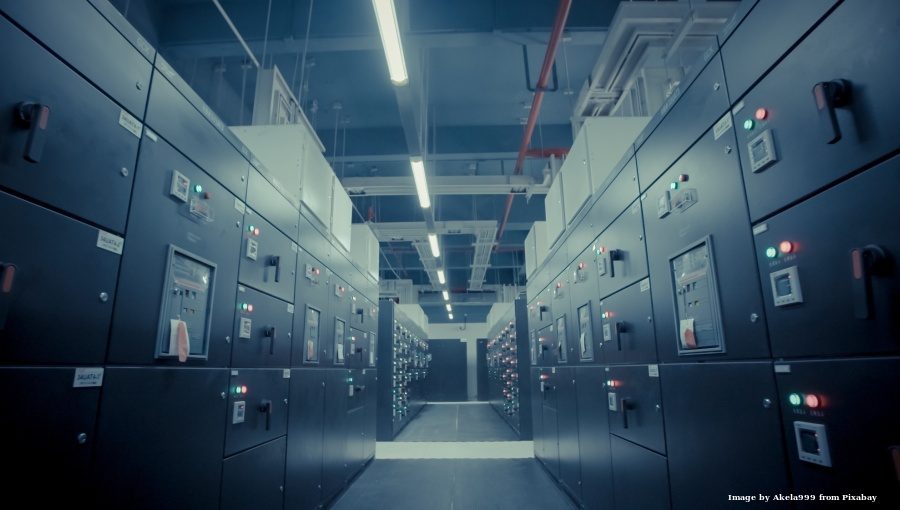
A surge in AI-related hardware exports is cushioning Hungary and Poland against a broader manufacturing slowdown, signaling a pivotal shift in the region's industrial base.
Hungary’s export recovery is now being driven by AI server manufacturing rather than its traditional automotive sector. AI-related exports from the country jumped 42% year-on-year in 2025, according to the European Bank for Reconstruction and Development. This shift is largely attributed to Cloud Network Technology, a Foxconn subsidiary that produced €7.2bn in sales last year to become Hungary’s third-largest company by revenue.
The industrial divergence is stark. While Hungarian computer and optical equipment production surged 43%, overall industrial output slipped 0.4% in May as automotive production edged up just 0.7%. Yet forward-looking indicators remain robust: new manufacturing orders rose 13.6% in May, with export orders climbing 15.8%. Total order books are 41% higher than a year ago.
Poland is experiencing a similar, if less pronounced, trend, with AI-related exports rising 21% in 2025. "One bright spot is that the AI boom in the United States is generating strong demand for goods linked to AI-related activities, including processors, optical equipment, communications technology, and computer hardware," said EBRD chief economist Beata Javorcik. The EBRD noted that 2025 US import tariffs inadvertently favoured goods linked to data centres and AI supply chains over traditional manufactured goods.
Structural limits and productivity hurdles
Despite the near-term export windfall, analysts caution that Central Europe remains a secondary player in the AI stack. "Central European countries do not possess obvious comparative advantages in AI supply chains," BNP Paribas Economic Research wrote in a February report. "However, they benefit from a well-educated workforce and infrastructure that should facilitate the dissemination of AI and its integration into both society and the economy."
The broader economic impact will ultimately depend on domestic adoption rather than just hardware assembly. The World Bank projects AI could add between 1.3% and 12.1% to Poland’s real GDP by 2035, but currently only 8% of Polish firms use the technology. "The challenge is not access to AI. It is using the technology productively — mobilising investment in infrastructure and skills that underpin future growth, from digital networks to energy, water, and education, while ensuring workers can adapt and thrive as the economy evolves," said World Bank country manager Ary Naïm.
Converting the current hardware export boom into sustained economic growth will require significant capital expenditure. As BNP Paribas noted, while AI adoption may be fast, its impact on productivity "will only become evident after a period of diffusion of the new technology." For now, however, the AI supply chain is providing a crucial buffer for Central European industry as traditional manufacturing stalls.