SpaceX IPO rewrites space valuations as AI infrastructure play
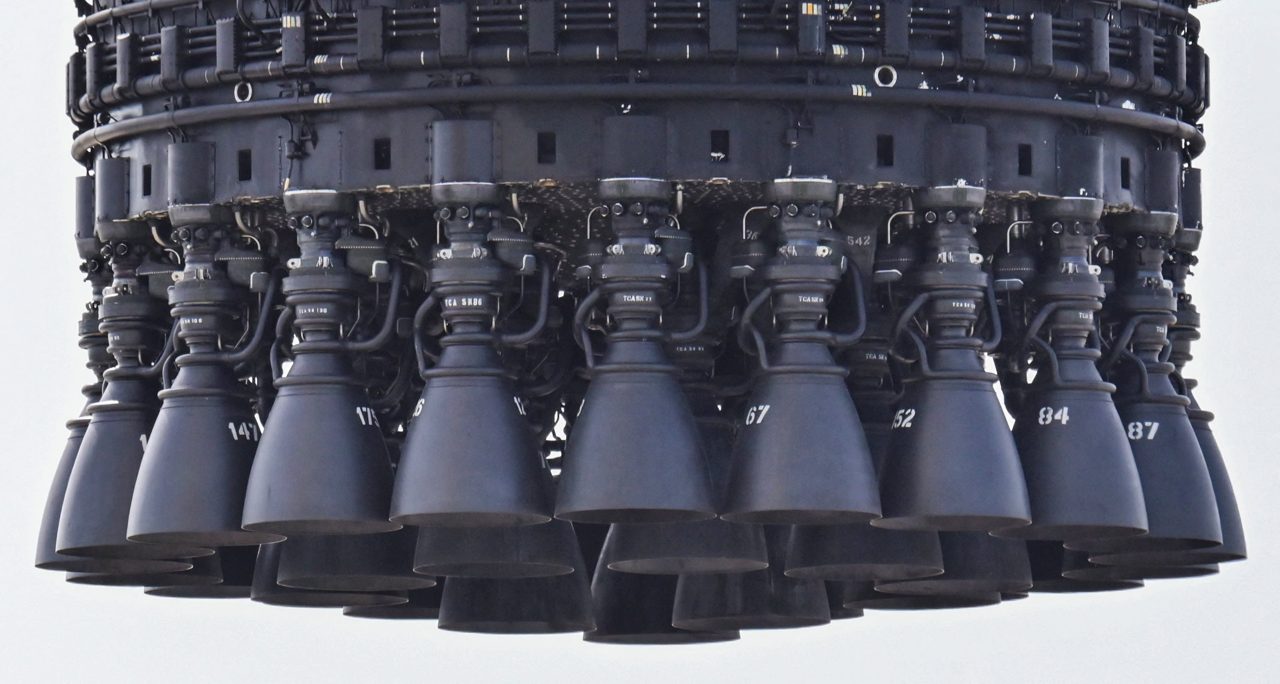
SpaceX's record IPO and subsequent $26 billion AI compute deals have shattered traditional aerospace valuations, driving the space economy to its strongest first half on record.
SpaceX has rapidly transformed its public market identity from a rocket manufacturer to an artificial intelligence infrastructure giant. Days after its IPO, the company acquired Cursor in a $60 billion all-stock deal and signed AI compute agreements with Anthropic and Google worth roughly $26 billion in annualized revenue. That single revenue stream more than doubles the top line it took two decades to build.
The moves invalidate the traditional Wall Street practice of categorizing space companies under aerospace and defense, where valuations rely on government contracts and hardware backlogs. The financial value of the modern space economy is now accruing in communications, compute, and AI—sectors covered by different analyst desks. SpaceX's S-1 filing made this reclassification explicit, describing itself as "the only company building the integrated hardware and software infrastructure of the future across space, connectivity, and AI."
This identity shift is already reshaping capital flows across the broader industry. Private investment in the space economy reached $31.6 billion across 129 companies in the first half of 2026, according to Space Capital. That figure surpasses the total for all of 2025, putting the industry on track for its strongest year on record.
SpaceX’s strategy mirrors the vertical integration of historical industrial monopolies. Just as Standard Oil controlled everything from wells to tank cars and Carnegie Steel owned mines to railroads, SpaceX is consolidating the AI supply chain. The company merged with xAI prior to going public and now plans to manufacture AI chips with Terafab for orbital data centers, combining launch, satellites, compute, and AI into a single platform.
Since SpaceX came online in 2009, the broader space economy has attracted $488 billion across more than 2,400 companies. While the SpaceX IPO was widely viewed as the climax of this decades-long build-out, the midyear investment data suggests it was merely the opening act. The market finally has a public benchmark for the company that shaped the modern space economy, but investors must abandon legacy aerospace frameworks to accurately price the orbital AI network it has become.