SpaceX Slides Below IPO Price, Exposing Analysts' Flawed $3 Trillion Math
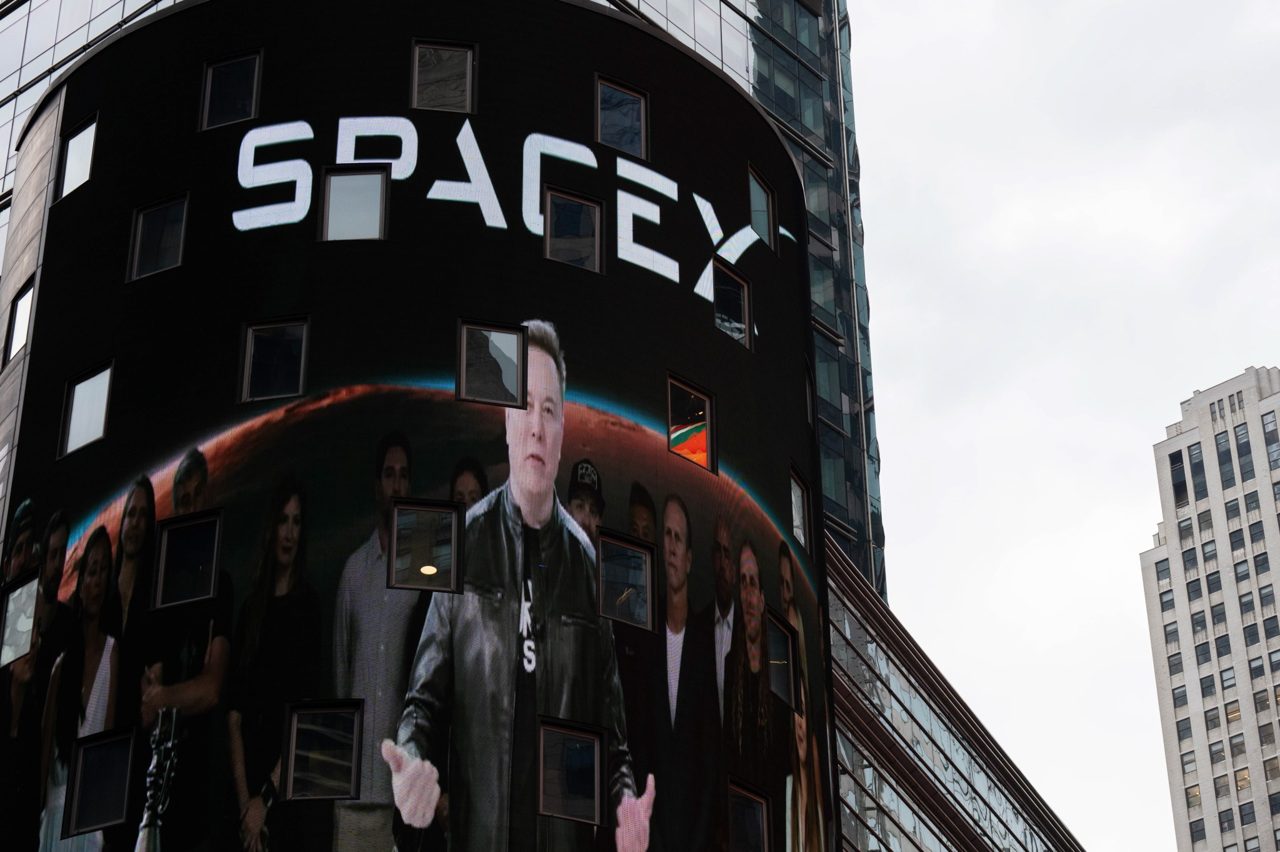
SpaceX shares have fallen below their $135 IPO price to around $123, wiping out early gains and exposing the mathematical impossibility of the bullish price targets issued by the banks that underwrote the offering.
SpaceX has fallen below its $135 IPO price, dropping toward $123 and erasing nearly 60% of its value since peaking near $211 just three days after its record-breaking June debut. The sudden reversal arrives directly after a wave of uniformly bullish research from the Wall Street banks that managed the historic $75 billion offering. Those 23 underwriters collected a combined $500 million in fees before expenses for their work, with five major banks taking roughly 85% of the allocated shares.
Eighteen of those banks issued 12-to-18-month price targets in early July, with seventeen offering specific numbers that yielded a median of $225. A remarkably tight clustering saw 14 forecasts land between $200 and $250, spanning from Stifel's $190 low to Raymond James's $800 high. To justify these figures, underwriters deployed vivid language, with Morgan Stanley calling the company "AI’s final frontier" and Bank of America crediting it for "paving the superhighway to the stars."
Reaching that $225 median target from a current price of $123 would require SpaceX to achieve a roughly $3 trillion market capitalization by late 2027. That valuation would make the rocket maker larger than Meta, beat Microsoft by 7%, and approach two-thirds of Nvidia's size. This would occur despite SpaceX posting a $4.9 billion loss on less than $19 billion in revenue in 2025, when it was already valued at $2 trillion, or 105 times its trailing revenue.
The tight alignment of these targets reflects a lack of fundamental grounding rather than genuine analytical consensus, according to Jay Ritter, a University of Florida professor and leading IPO expert. "The analysts at one bank appear to be highly influenced by the prices the other analysts are predicting," Ritter said. "With SpaceX, no one knows where it’s going, so the solution is just to add a big percentage number to show you’re bullish. It all looks pretty mechanical."
For market professionals, the sharp divergence between the stock's rapid descent and the underwriters' clustered optimism highlights a structural blind spot in post-IPO equity research. When banks underwrite a capital-intensive, money-losing enterprise, they appear to punt on valuation by tacking arbitrary premiums onto an already lofty baseline. "For Nvidia or a company earning $100 billion a year today, adding a trillion or more might be plausible," Ritter observed. "For a mortal like SpaceX, far less so."