EIB’s €60m Nigeria Cocoa Credit Carries EU Regulatory Strings

Nigeria’s Bank of Industry will channel a €60m European Investment Bank credit line into domestic cocoa and dairy processing, a deal that uses concessional finance to bind West African supply chains to EU environmental standards.
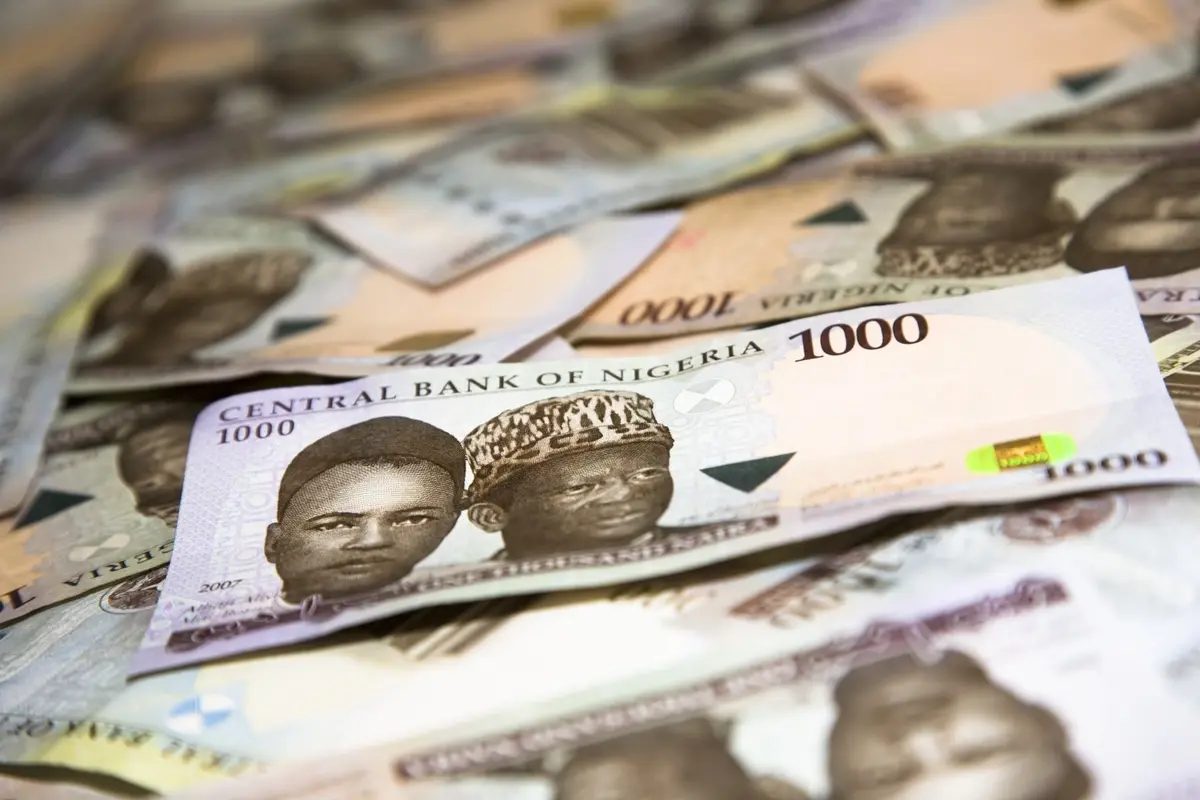
Nigeria’s Bank of Industry has secured a €60 million credit line from the European Investment Bank to build domestic cocoa and dairy processing capacity. The facility forms the core of an €85 million agribusiness package announced at the Nigeria–EU Ministerial Summit in Abuja. At least 70 percent of the total envelope is ring-fenced for cocoa and dairy value chains.
The financing arrives alongside a decisive policy shift from Abuja. Speaking through Agriculture Minister Abubakar Kyari, President Bola Tinubu declared an end to Nigeria exporting raw cocoa beans while simultaneously importing finished chocolate. BOI Managing Director Dr Olasupo Olusi was blunt about the objective: “The era of celebrating volumes of raw exports must end.”
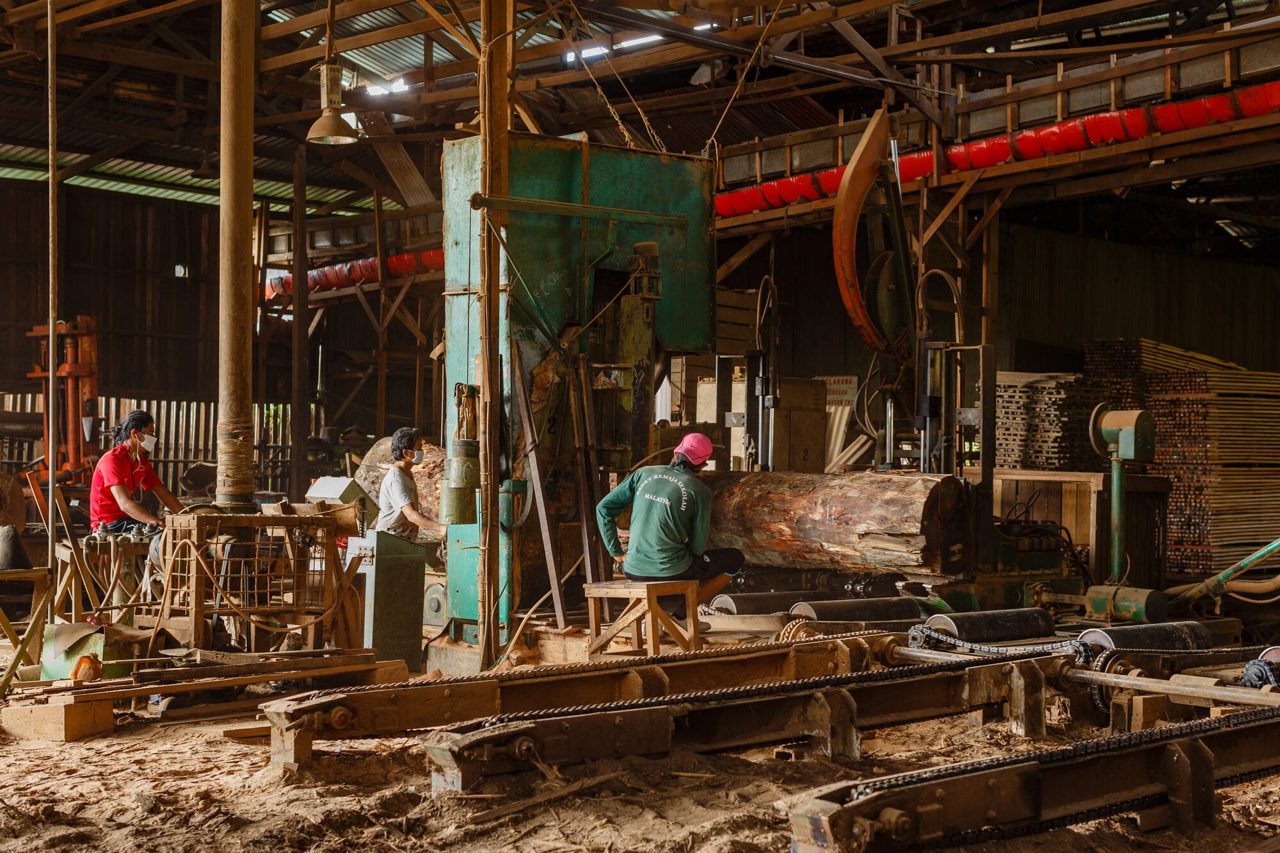
The credit line will be distributed to private companies, cooperatives, and small enterprises to fund grinding plants, packaging lines, and chocolate manufacturing. BOI is also advancing plans for a Cocoa Value Addition Park featuring shared processing infrastructure and digital traceability systems. The bank estimates that expanding domestic processing could multiply export revenues by two to four times.
Beyond development goals, the facility is a geopolitical instrument. Backed by the EU’s Global Gateway initiative, the concessionally priced capital requires borrowers to comply with EIB environmental standards and the EU Deforestation Regulation. EIB Vice-President Ambroise Fayolle framed the agreement as part of a broader sustainable transformation of agricultural supply chains, effectively anchoring Nigerian exports within the European regulatory orbit.
For frontier-market investors, the deal functions as a critical risk-sharing mechanism. Agriculture generates roughly 20 percent of Nigeria’s GDP but historically attracts only 4 percent of local bank credit. By lowering the cost of capital and absorbing early-stage lending risks, the EIB aims to coax Nigerian commercial banks and foreign lenders into a sector they have long avoided.
The cocoa and dairy facility is a fraction of a much larger European financial offensive. EIB representatives reported signing over €500 million in Nigerian financing over the past year across transport, healthcare, renewable energy, and digital infrastructure. The immediate test for BOI will be translating this capital into actual disbursements to processors on the ground.