Copper supply deficits loom as 2025 demand hits 28.2 million tonnes
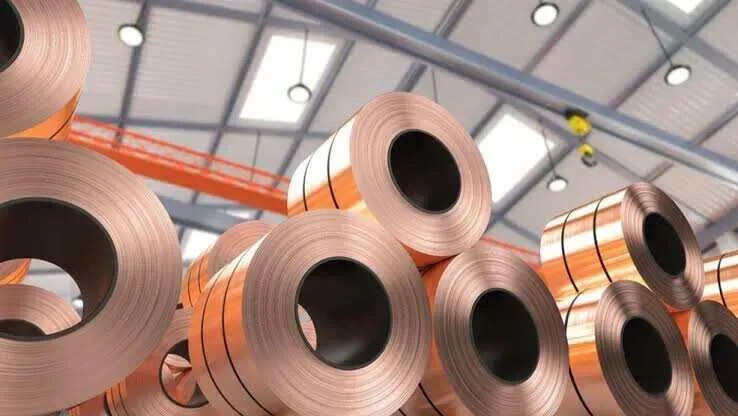
Global refined copper consumption reached 28.2 million tonnes in 2025, but a structural supply shortfall threatens to drive prolonged price volatility as electrification demand outpaces new mine development.
Global refined copper consumption reached approximately 28.2 million tonnes in 2025, underscoring a multi-decade growth trajectory driven by the global energy transition. This demand surge reflects copper's entrenched position in electric vehicles, renewable energy infrastructure, and expanding digital networks.
For markets, this represents a structural shift rather than a typical cyclical commodity rally. Investors and industrial buyers are now facing a landscape where demand growth is consistently outpacing supply additions, raising the likelihood of persistent deficits over the coming decade.
Electric vehicles and green energy installations are the fastest-growing sources of demand, as an EV requires significantly more copper than a conventional internal-combustion vehicle. Simultaneously, construction remains the largest overall consumer, while data centers and artificial intelligence infrastructure are creating new sources of intensive copper consumption.
Supply constraints tighten
Mining supply is struggling to match this pace. Production is heavily concentrated, with Chile, Peru, the Democratic Republic of Congo, and China accounting for more than half of global mine output. This geographic clustering creates acute vulnerability to localized disruptions.
Existing operations face declining ore grades, which forces companies to process more material to yield the same amount of copper, directly increasing costs and reducing efficiency. Compounding this issue, bringing new supply online takes between 10 and 20 years from exploration to commercial production.
Such lengthy timelines mean current price signals cannot quickly resolve impending shortages. Resource nationalism and stricter environmental regulations in key producing nations are further delaying new projects and raising capital costs.
While copper recycling offers economic and environmental benefits, secondary supply alone is unlikely to bridge the expected gap. Furthermore, copper's superior conductivity and durability limit the viability of substitutes like aluminum in critical electrical applications.
The mismatch between sluggish supply timelines and accelerating electrification targets cements copper's status as a strategic asset. Companies and investors exposed to the energy transition must now price in a market where structural supply constraints will remain a defining feature for years to come.