Nigeria unveils Kaduna textile overhaul to attract investment
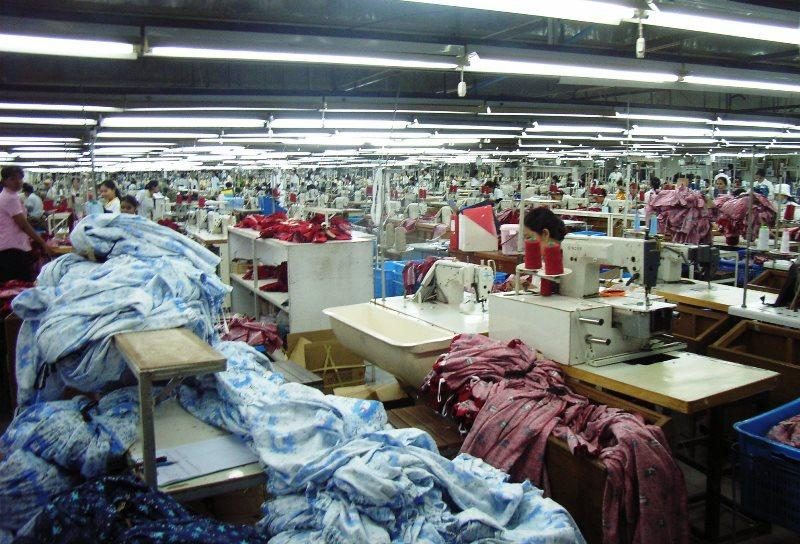
Nigeria's federal government has launched a four-phase roadmap to overhaul dilapidated textile infrastructure in Kaduna, aiming to attract private capital, reduce import reliance, and revive a once-dominant regional export hub.
Nigeria’s Federal Ministry of Industry, Trade, and Investment has announced a comprehensive overhaul of dilapidated textile infrastructure in Kaduna as the centrepiece of a broader industrial recovery plan.
The initiative falls under the National Cotton Textile and Garment Industrial Transformation Program, a four-phase strategy currently entering its second stage. Eme Bassey, Special Adviser on Cotton, Textile, and Garments, identified the Kakuri industrial hub in Kaduna as a primary target for physical rehabilitation, aiming to attract domestic and international capital.
For investors, the appeal rests on Nigeria’s historical capacity for import substitution and regional export. “Kaduna was practically like the Manchester of Nigeria. We were not only meeting the needs of Nigeria, but all West African countries were getting their textiles from largely Kaduna,” said Murtala Dabo, Kaduna State Commissioner of Agriculture.
The Permanent Secretary of the Kaduna State Ministry of Business, Innovation and Technology, Waheed Musa, noted that the physical layout for these industrial zones already exists. He urged private investors to evaluate Kaduna’s ease of doing business reforms, highlighting a textile value chain he estimated to be worth trillions.
To incentivise private sector participation, the government is revising its 2015 textile policy. The updated framework will introduce fiscal, financial, skill, and regulatory measures designed to lower barriers to entry. “One of the key roles of government is to create a policy that enables interest which will naturally lead to domestic and international investment,” Bassey said.
Energy and financing hurdles
The most significant structural risk facing any textile revival remains power costs, which local officials cite as the primary driver behind the closure of 10 to 15 northern factories in recent years. Authorities are attempting to mitigate this by leveraging gas infrastructure, specifically the Ajaokuta to Kano (AKK) natural gas pipeline. “Gas is historically known to be a medium of reducing the cost of electricity for high-intensity production sectors like textiles,” Bassey noted.
Kaduna is also developing independent power solutions, with state-level interventions expected by early next year. On the financing side, the ministry is negotiating affordable credit lines and grants for small and medium-sized enterprises with the Bank of Industry and the Bank of Agriculture.
Supply chain bottlenecks are being addressed through inter-agency collaboration to boost local cotton yields across the northern region. Furthermore, an existing federal task force is actively combating the influx of counterfeit and smuggled textiles, a measure intended to protect the margins of any restarted operations.