Nigeria Launches $552m World Bank Education Program
Nigeria has secured a $552.18 million World Bank-backed facility to overhaul its primary education system, a critical step in developing the human capital needed to sustain the country's long-term economic growth.
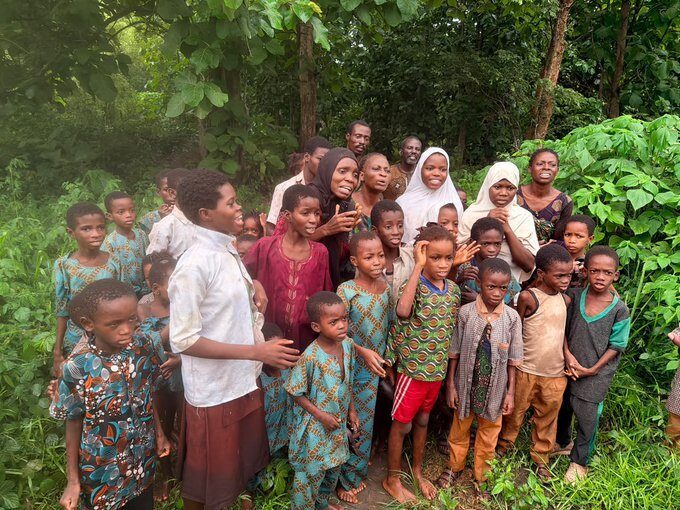
The Federal Government has launched the HOPE-EDU Programme, a $552.18 million initiative backed jointly by the World Bank and the Global Partnership for Education (GPE). The funding will be deployed to improve foundational literacy, numeracy and education management systems across more than 65,000 public primary schools.
The sheer scale of the intervention highlights the infrastructure and capacity deficit within Nigeria’s basic education system. The programme is designed to reach nearly 30 million pupils and support the professional development of 500,000 teachers. Implementation will span all 36 states and the Federal Capital Territory, requiring significant coordination between the Federal Ministry of Education, state governments and development partners.
For market participants, the structural mechanics of the financing are notable. The programme operates under a results-based financing model that directly ties the release of funds to measurable outcomes, improved accountability and strengthened service delivery. In an emerging market frequently scrutinized for governance risks, this structure provides a degree of reassurance that multilateral capital is subject to strict performance metrics rather than blanket budget support.
Nigeria’s long-term economic growth depends heavily on human capital formation, requiring the country's youth population to acquire functional basic education to enter the workforce. Speaking at the launch in Abuja, Minister of Education Maruf Tunji Alausa characterized the education sector as "the country’s most strategic investment for sustainable economic growth." He added that such investments are "critical to reducing poverty, boosting productivity and driving long-term economic development."
The HOPE-EDU initiative forms part of a broader suite of five World Bank-supported flagship programmes aligned with President Bola Ahmed Tinubu’s Renewed Hope Agenda. This overarching policy framework targets accelerated human capital development, poverty reduction, healthcare improvement, governance strengthening and the expansion of economic opportunities. The Federal Ministry of Education will retain policy leadership and oversight of the education programme's execution.