Moonshot AI's low-cost K3 model triggers tech selloff
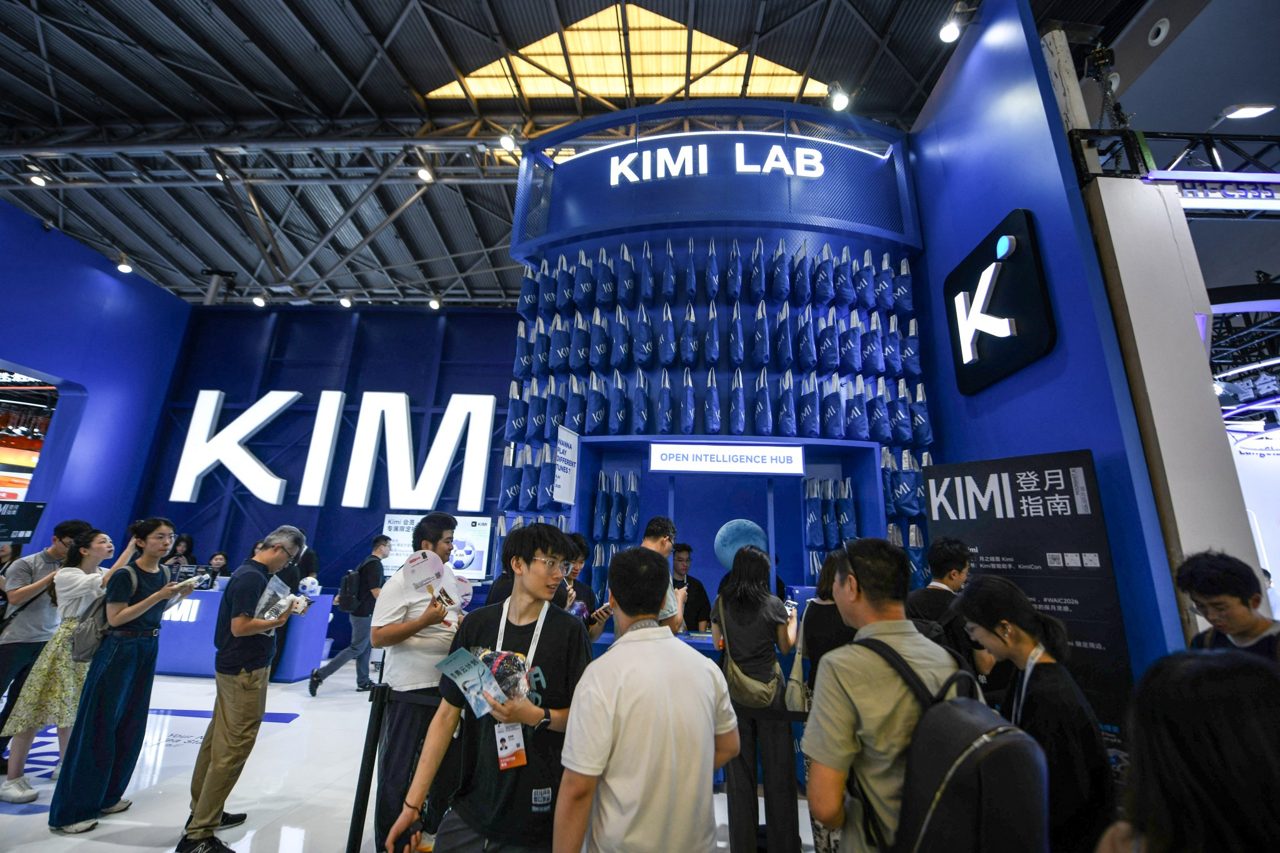
A surprisingly capable and cheap AI model from Beijing-based Moonshot AI has shattered assumptions that US tech giants could maintain their lead simply by outspending Chinese rivals on chips, sparking a sharp selloff in semiconductor and technology stocks.
Beijing-based startup Moonshot AI on Thursday released Kimi K3, the largest open-weight model ever launched. According to the company, K3 performs competitively with Anthropic’s Fable 5 and substantially outperforms Anthropic’s Opus 4.8 and OpenAI’s GPT 5.6 Sol. Independent benchmark Arena.AI ranked K3 as the best model currently available.
More disruptive than the performance is the price. Moonshot is charging $15 per million output tokens, a third of the $50 cost of Anthropic’s Fable 5. The arrival was faster than expected; Anthropic CEO Dario Amodei recently estimated it would take six months for a Chinese lab to approach US capabilities, while Tesla CEO Elon Musk predicted it would not happen until the first quarter of next year.
The launch triggered a sharp market selloff as investors abandoned the thesis that US firms can maintain their lead simply by outspending rivals on computing power. Taiwan Semiconductor Manufacturing Company fell 7% on Friday despite posting a 77% jump in quarterly operating profit. SoftBank dropped 9%, Nvidia declined 1.2% to briefly lose its global valuation crown to Apple, and Meta fell over 2.4%.
Chinese models achieve these lower costs through a combination of cheaper domestic power, aggressive margin sacrifice to capture market share, and open-source releases. By making models free to download, Chinese labs eliminate the R&D and inference fees embedded in US pricing. "Anthropic adds the additional costs of their R&D, and their own inference costs," says Ameya Karnitkar, co-founder of Larridin.
US export controls are inadvertently accelerating this efficiency. Denied access to the most advanced chips, Chinese developers were forced to optimize their code. "For the money [a Chinese AI company would] spend on an Nvidia chip, they can buy ten local chips from Huawei or other local chipmakers," says George Chen, a partner at the Asia Group. Meituan recently proved this by training a 1.6 trillion-parameter model entirely on domestic hardware.
This pricing power is already reshaping global developer habits. DoorDash CTO Andy Fang noted that pushing lower-level work to Kimi resulted in "better quality, cheaper cost." Chinese models from Tencent, Xiaomi, DeepSeek, MiniMax, and z.ai currently hold all of the top five spots on the OpenRouter marketplace.