BIP-110 faces likely failure as miner signaling stays below 1%
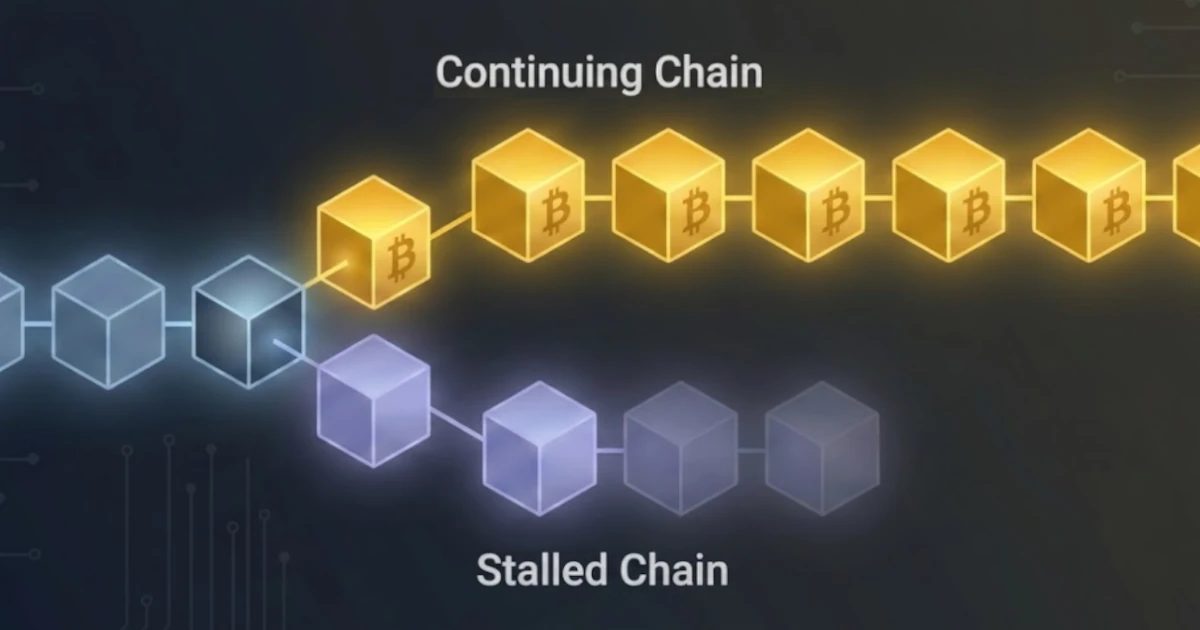
A proposed Bitcoin soft fork is heading for failure with just weeks remaining before its activation deadline, alleviating near-term risks of a costly network chain split for miners.
Bitcoin Improvement Proposal 110 (BIP-110) is on track to fail, according to Jason Hughes, vice president of development and engineering at Ocean Mining. Data shows only 0.6% of blocks mined over the past 60 days have signaled support for the soft fork. With roughly three weeks left before mandatory signaling begins at block 961632, the proposal lacks the fundamental backing required for network adoption.
The adoption shortfall extends well beyond mining pools. Between 7% and 15% of Bitcoin nodes are currently signaling support for BIP-110, falling decisively short of a majority. Hughes noted that his private monitoring puts this figure even lower. This contrasts sharply with previous successful upgrades like Segwit, which entered its user-activated soft fork phase with roughly a third of the network's hashrate already signaling approval.
For mining operations and investors, the proposal's failure trajectory eliminates the immediate financial risk of a network chain split. BIP-110 functions as a soft fork that tightens consensus rules. If a minority of miners attempts to enforce it without broad consensus, they risk mining invalid blocks and losing substantial revenue. "As far as I can tell, the pools are aware but ignoring," Hughes wrote, observing that all major pools he monitors are running standard Bitcoin Core v30 or v31 software rather than BIP-110-compatible clients.
Adapting infrastructure for a new protocol requires significant technical work, including porting custom modifications, testing, and deployment. There is currently no evidence that major pools have initiated these steps. Proponents have pointed to a slight recent uptick in signaling as a sign of growing momentum. Hughes dismissed this, attributing the increase to rented hashrate from a single small proponent rather than genuine commitment from established industry players. Because mining signaling blocks carries negligible financial risk prior to the fork point, this temporary hashrate does not indicate a shift in economic weight.
The strict timeline further undermines the proposal's viability. It has been seven months since the first BIP-110 client was released, and 90% of the available window has now passed without a shift in sentiment from major network participants. "If it hasn’t gained sufficient adoption in the past 7 months, it’s not likely to do so in the next 3 weeks," Hughes concluded.