US Screwworm Cases Deepen Billion-Dollar Cattle Trade Freeze With Mexico
The first US detections of the New World screwworm in decades have dashed hopes of lifting a year-long live cattle ban with Mexico, tightening American beef supplies and inflicting hundreds of millions in losses on ranchers.
The US Department of Agriculture confirmed the first detection of the New World screwworm in decades on June 3, 2026, after a calf in Zavala County, Texas, tested positive. Subsequent reports brought the total to five US cases, prompting officials to immediately establish a strict 12.4-mile quarantine zone. The arrival of the flesh-eating parasite on US soil dashes any near-term hopes of lifting the severe cross-border live cattle ban.
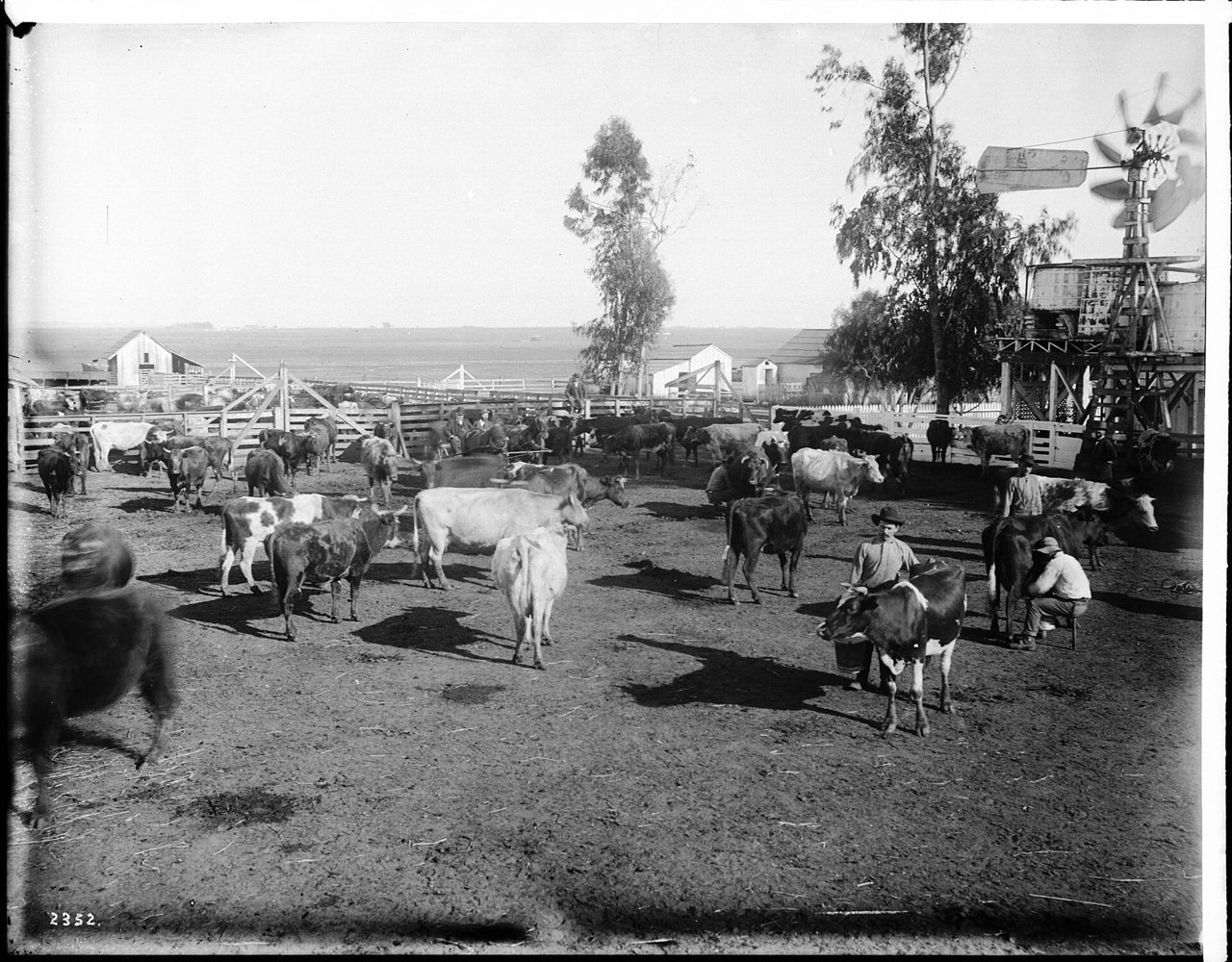
The US initially closed its border to Mexican live cattle, horses, and bison in May 2025 after the pest was detected in southern Mexico. By November 2025, roughly 250,000 cattle were stranded south of the border, with ranchers losing approximately $1,000 per head and the state of Chihuahua facing $500 million in annual opportunity costs. In Texas, feedlots are operating with empty pens, and the USDA warns a large-scale domestic outbreak could inflict $1.8 billion in losses.
The prolonged trade halt is actively reshaping North American meat supply chains, severing a flow of more than 1 million Mexican cattle annually to US feedlots. Mexican producers are pivoting to domestic feeding and processing, while simultaneously increasing their exports of processed beef to the US market. Mexico has also imposed a reciprocal ban on US live animals, a two-way freeze that is driving historically tight US cattle inventories and pushing consumer beef prices higher.
Eradication efforts are scaling up, though a concrete timeline for resuming normal trade remains elusive. The US and Mexico inaugurated a sterile fly production plant in Chiapas on June 27, 2026, deploying mobile units capable of producing 20 million sterile flies per week. US authorities have signaled the ban will remain until the threat is fully contained, a significantly more complex proposition now that the screwworm is a domestic problem.