Semiconductor stocks tumble toward bear market on AI doubts
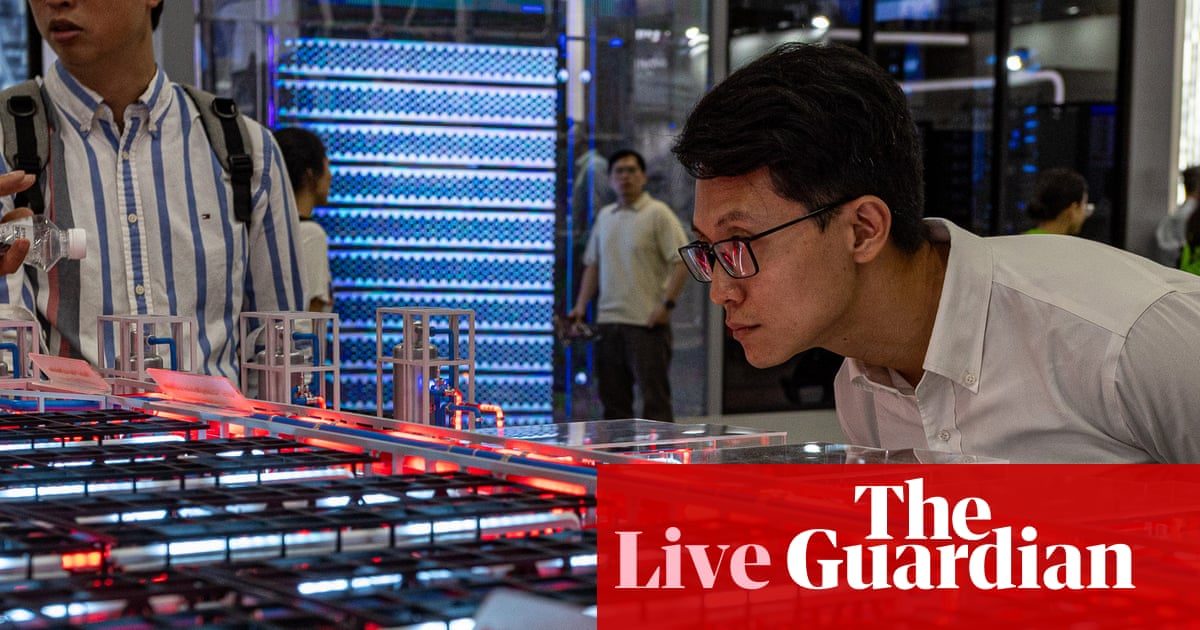
A global sell-off in chip stocks has pushed the Philadelphia semiconductor index to the edge of a technical bear market as investors rapidly unwind crowded AI trades.
Global technology and semiconductor stocks suffered a severe sell-off, driven by concerns over the sustainability of this year's AI-driven rally. The Philadelphia semiconductor index fell 4.29% to an eight-week low, leaving it down 18.91% from its peak less than a month ago and teetering on the brink of a 20% bear market threshold.
The losses accelerated in Asian markets overnight. Japan’s Nikkei 225 dropped almost 5%, putting it on track for its worst day since March and a technical correction. Memory chipmaker Kioxia slumped 16%, while the Chinese SSE Composite fell 3.3%.
The immediate catalyst was Taiwan Semiconductor Manufacturing Company (TSMC), whose earnings and guidance disappointed investors. TSMC forecast capital expenditure would be higher than previously expected, sparking fresh anxieties about tech valuations and the actual returns on massive AI infrastructure spending.
Mohit Kumar of Jefferies noted the market moves are being driven by position unwinds rather than outright earnings failures. Semiconductors were one of the most crowded trades in June, but sharp unwinds have rapidly reduced bullish positioning.
Wider tech pressure
Broader technology sentiment was also damaged by Netflix, which fell nearly 9% in after-hours trading. The streaming giant forecast revenue growth of 11.7%, marking its smallest year-on-year quarterly increase in more than two years as investors fear increased competition from short-form video platforms.
Matt Britzman, a senior equity analyst at Hargreaves Lansdown, said the company is discovering that "good is no longer good enough". He added that Netflix's decision to publish detailed engagement reports annually instead of twice a year makes it harder for investors to judge sustained viewer interest.
Resurgent inflation fears
The tech rout is unfolding against a backdrop of lingering macroeconomic anxieties. Brent crude oil rose 1.06% to $85.12 a barrel, its first close above $85 in over a month, complicating the optimistic narrative that followed a soft US inflation report earlier in the week.
UK corporate developments
In the UK, Burberry provided a rare bright spot for consumer-facing stocks. The fashion brand reported a 5% rise in first-quarter retail sales, driven by strength in the Americas and Greater China. Gen Z shoppers increased by a double-digit percentage, and chief executive Joshua Schulman said the company posted growth across all product categories for the first time in three years.
"Our strategy is working. We are attracting a broad range of luxury customers across product categories, channels and geographies, reinforcing my confidence in the opportunities ahead," Schulman said.
Separately, the UK government nationalised British Steel to protect Scunthorpe's steelworks and domestic supply chains. China’s Ministry of Commerce said it was "strongly dissatisfied" with the move, warning it dealt "a severe blow to Chinese companies’ confidence in investing in the UK".