Investors pivot from AI chips to hyperscalers as capex growth slows
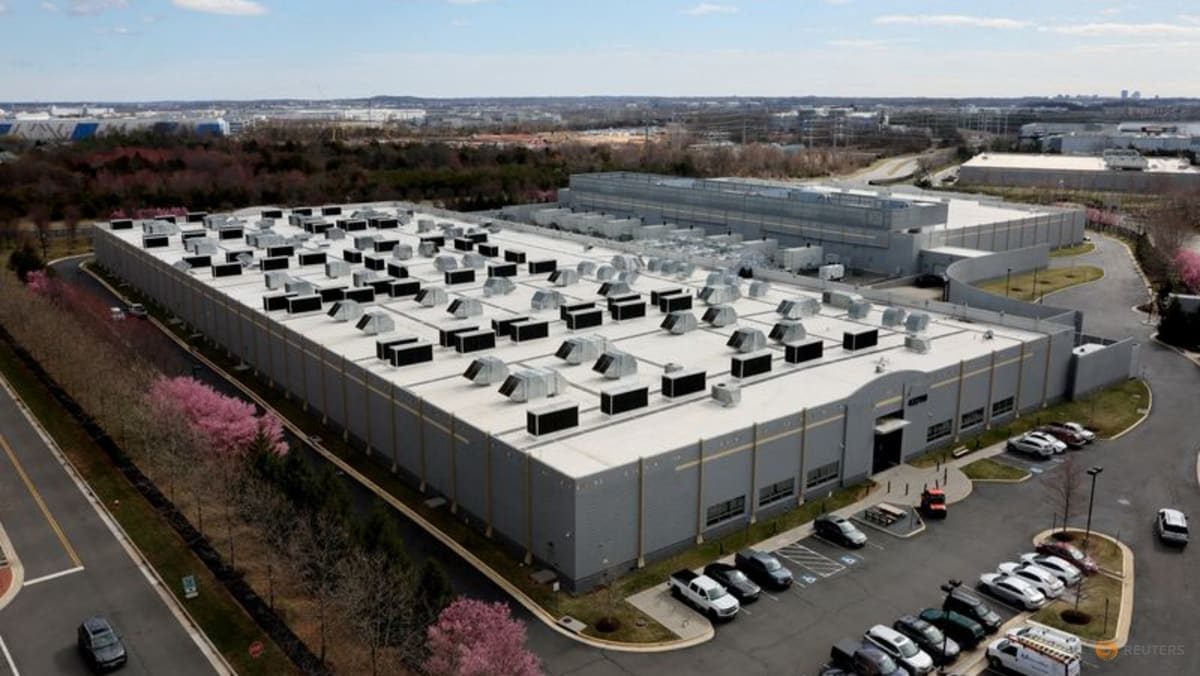
Active fund managers are cutting exposure to expensive semiconductor stocks and buying hyperscalers and software as expectations for Big Tech's AI infrastructure spending growth cool sharply.
Investors are scaling back positions in semiconductor stocks and rotating into hyperscalers, software, and AI-adopting sectors as expectations for Big Tech infrastructure spending growth cool sharply. The shift marks a reversal from the past two years, when capital flooded chip and data center companies on the assumption that Microsoft, Amazon, Alphabet and Meta would indefinitely accelerate their buildouts.
UBS estimates hyperscaler capital expenditure will jump 76 percent this year to $673 billion. However, that growth is forecast to decelerate to 25 percent next year and just 6 percent in 2028. Empirical Research warns this creates a growing mismatch between moderating spending and the lofty revenue expectations priced into AI infrastructure suppliers. "Either the capex trajectory of the hyperscalers will be upgraded again, or the revenue growth pencilled in for their suppliers will have to come from elsewhere," it said.
The changing outlook has triggered a sharp reassessment of chip valuations. The Philadelphia Semiconductor Index has more than doubled over the past year, even after sliding nearly 18 percent from its June peak. Bank of America's July fund manager survey found 82 percent of respondents viewed semiconductors as the most crowded trade, with nobody reporting a short position.
"Once they stop increasing their capex, it will definitely be a relief for hyperscalers and a negative signal for the semi industry," said Alexis Bossard, global equity portfolio manager at Edmond de Rothschild Asset Management. "We have a massive underexposure to semis right now."
Several structural factors are expected to constrain future spending growth. Having funded the initial AI buildout with cash, hyperscalers are increasingly tapping the corporate debt market, where demand is cooling. Apollo Chief Economist Torsten Slok noted bond cover ratios have fallen to below 2 times in July from nearly 5 times in February.
The Bank for International Settlements recently warned that disappointing returns could trigger a financing pullback and turn the boom into a protracted bust. Physical infrastructure constraints are also emerging. Empirical Research estimates roughly 70 percent of data center projects face local opposition.
On Tuesday, New York became the first U.S. state to halt construction of large new facilities, imposing a one-year moratorium over power and water strain concerns. "Cash flow is starting to be almost completely drained by capex," said Alberto Conca, CIO at LFG+ZEST. Conca has cut memory-chip positions, bought hyperscalers and healthcare stocks, and purchased put options on selected semiconductor names.
Not all investors are abandoning the trade. Madeleine Ronner, senior portfolio manager at DWS, expects upcoming earnings commentary to remain supportive of investment, noting that buy-side forecasts for 2027 spending sit materially above consensus estimates. DWS has taken some chip profits but remains overweight the sector.
Jurrien Timmer, director of global macro at Fidelity Investments, compared the recent pullback to 20-30 percent corrections during the 1990s internet rally. "The AI story is well known, it's ongoing, the earnings are still supporting the trend," he said. Still, Timmer emphasized the need to diversify into sectors like financials that benefit from AI adoption. "I want to participate in the boom, but I also want to protect myself in case that boom is overdone," he said.