Uniper pivots to data centres with €5bn investment plan
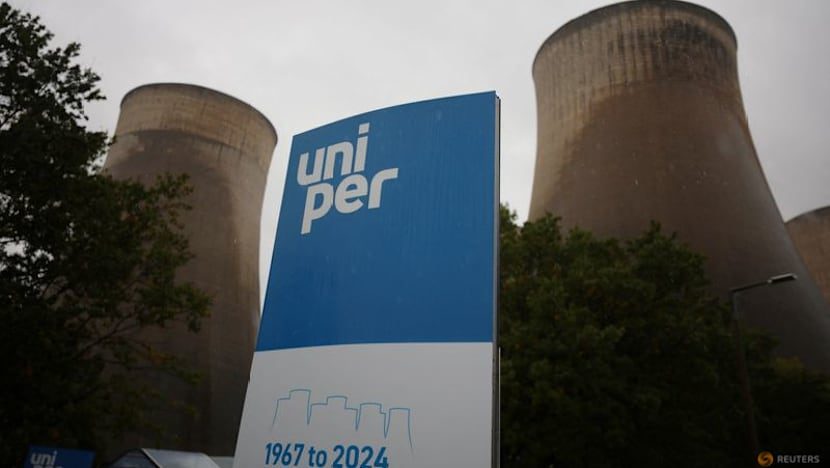
Uniper is directing €5 billion toward flexible power and data centre supply to create new revenue streams ahead of the German state's sale of its majority stake.
Uniper detailed a new transformation strategy on Friday, committing roughly €5 billion by 2030 to flexible power generation and renewable energy. A core component of this capital deployment involves repurposing existing power plant sites to serve data centres.
The energy group has pinpointed more than 10 of its own European sites located near major digital infrastructure hubs. Three data centre projects are currently in advanced development, with further investment decisions slated for this year, while one facility in Britain is already finished.
"The rising electricity demand from data centres requires powerful, reliable and long-term supply solutions," CEO Michael Lewis said. Uniper intends to capture this demand through structured power purchase agreements and direct supply from its own generation capacity where economically feasible.
Beyond digital infrastructure, more than half of the €5 billion investment envelope will target flexible power generation. The company noted that this particular spending will carry a heavy emphasis on its domestic market in Germany.
This strategic pivot arrives as Berlin prepares to exit its bailout position. The German state acquired a 99.12 per cent stake in Uniper during the 2022 energy crisis and is now managing a sale process. Canada's CPPIB and Czech firm EPH are among the expected bidders, having been slated to submit letters of interest by mid-June.
For potential buyers, the data centre strategy provides a tangible growth narrative. Instead of acquiring a utility primarily defined by its recent government rescue, investors are being offered a platform positioned to supply the surging power needs of the technology sector. Structured power purchase agreements tied to data centres also promise stable, long-term cash flows, an attractive metric for evaluating the upcoming privatisation.