FIFA reaps record World Cup revenues as host cities struggle
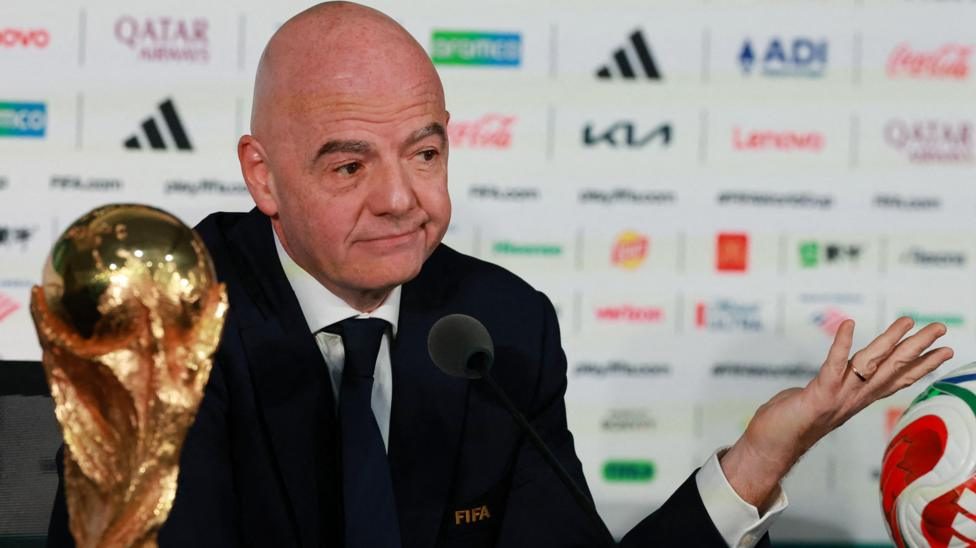
The expanded 2026 World Cup is generating record revenues for FIFA and broadcasters, but the financial model is squeezing fans and failing to deliver sustained economic growth for host cities.
FIFA is on track to surpass the $7.6 billion generated from the 2022 tournament, with four-year cycle revenues approaching $13 billion. The shift to a 48-team format has increased matches and global viewership, driving unprecedented income from broadcasting, licensing, hospitality and ticket sales.
Broadcasters are capitalizing on the larger audience. Fox Sports, which paid $485 million for US rights, introduced sponsored hydration breaks. With 30-second US ad slots costing up to $750,000 during late-stage matches, these 90-second intervals could generate $250 million in the US market alone. Official sponsors like Adidas are also investing heavily, spending £50 million on a single campaign.
The expanded schedule has created a windfall for gambling firms. Macquarie estimates a record $50 billion will be wagered across the tournament, roughly $500 million per match. Flutter Entertainment forecast its handled bets would double compared to 2022, driven by the growth of in-play betting in the US and Brazil.
The economic fallout
While FIFA and its partners profit, host cities are seeing minimal long-term economic returns. Oxford University fellow Alexander Budzier notes that the influx of football tourists displaces regular visitors and only creates temporary, lower-paid hospitality jobs. "It creates jobs, but it does not create wealth," Budzier says. Because the tournament relies heavily on existing infrastructure, there is little lasting developmental benefit.
The hotel sector has been particularly disappointed. By April, 80% of US hotel operators reported bookings tracking below initial forecasts, with many in New York and Seattle calling the tournament a "non-event". The American Hotel and Lodging Association accused FIFA of block-booking rooms to create false demand. Industry bodies in Canada reported similar trends, with June and July bookings in Vancouver pacing well behind previous years.
Consumers are bearing the brunt of this commercialization. FIFA's dynamic pricing strategy pushed the official price for final tickets at MetLife Stadium to $32,970, with resale listings exceeding $2 million. Fans also faced inflated transport costs, such as a New Jersey Transit train fare spiking from $12.90 to $150 before a public backlash forced a partial reduction.
The tournament's financial architecture appears set to intensify. FIFA is exploring a further expansion to 64 teams to tap into markets like China and India. "The expanded format will stay because scale is now Fifa's business model," says Deutsche Bank Research senior strategist Marion Laboure.