SpaceX Aborts Starship V3 Test Flight as Shares Slide Below IPO Price
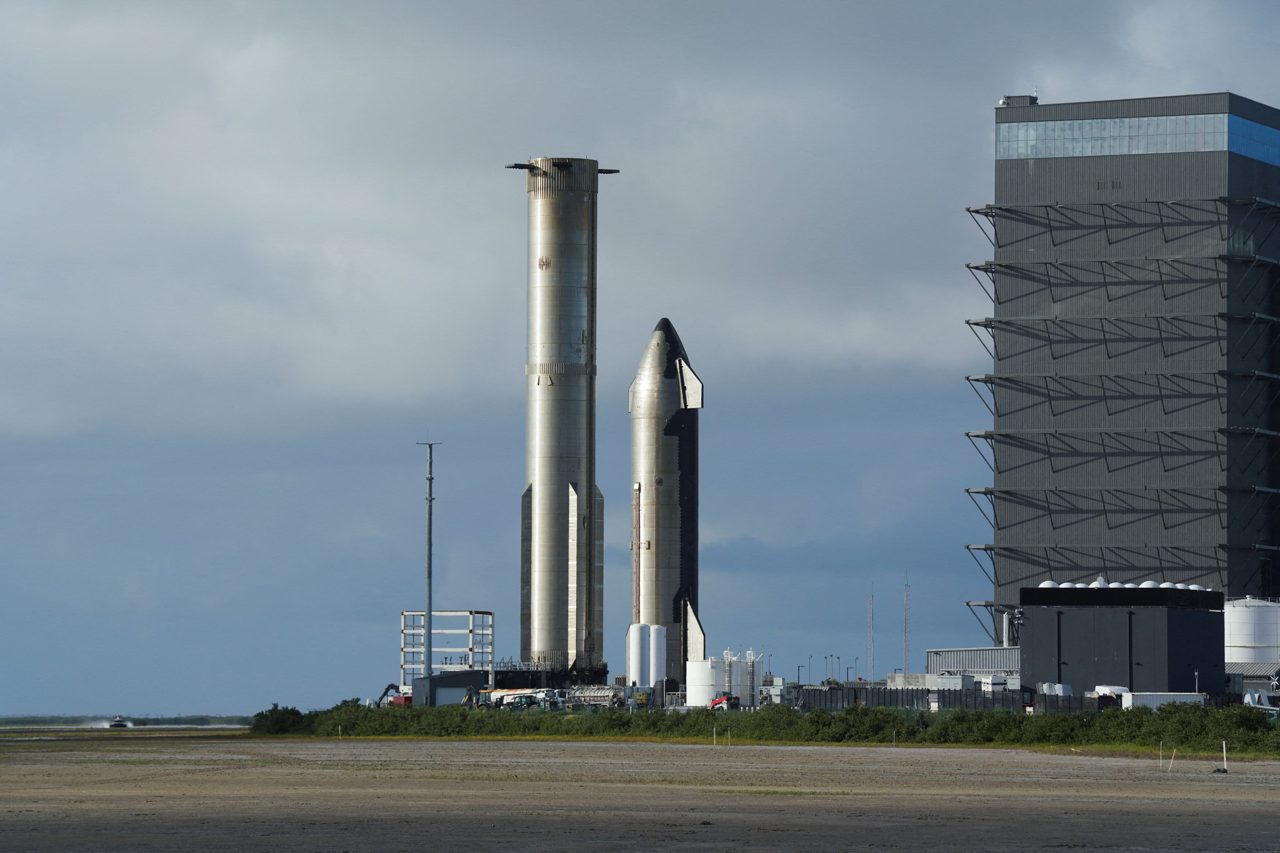
SpaceX scrubbed its latest Starship test flight due to an engine ignition failure, intensifying investor scrutiny as the company's stock trades below its record-breaking initial public offering price.
SpaceX aborted the launch of its Starship mega rocket on Thursday after an automatic system halt prevented engine ignition. Chief Executive Elon Musk wrote on X that the failure triggered an automatic abort, pledging another attempt "hopefully in a few days."
The 90-minute launch window opened at 6:45 p.m. ET from the Starbase complex in South Texas. Within minutes, a hold on the booster "shut down the engines right as they were starting to ignite," according to a SpaceX employee on the livestream.
Market Pressure and Strategic Stakes
The delay arrives at a sensitive time for the company's public market valuation. SpaceX shares slid more than 3 percent on Thursday to close at $131.11, extending a recent decline that briefly pushed the stock below its $135 initial public offering price earlier in the week.
Investors are closely monitoring the rocket maker following its blockbuster public debut last month. The offering raised $85.7 billion including the underwriters' option, marking the largest IPO on record.
This mission marked the 13th Starship test flight and the first for the upgraded V3 version since the company went public. The rocket is critical to SpaceX’s ambitions to scale its Starlink satellite internet service and secure NASA Artemis contracts for future moon landings.
Regulatory scrutiny remains high after a May V3 test launch ended with the Super Heavy booster plummeting into the Gulf of Mexico due to reignition failures. The Federal Aviation Administration cleared the vehicle to fly again on Monday, noting the final mishap report cited "heat effects on propulsion system components during the ascent and erroneous engine alarm system settings."
To prevent a recurrence, SpaceX implemented four corrective actions involving vehicle hardware and software updates. The agency confirmed these measures were sufficient to authorize the return to flight.
Had the launch proceeded, Starship was scheduled to deploy 20 next-generation Starlink satellites. The payload was designed to extend its solar arrays and antennas to test connectivity with the broader constellation before expected to "demise upon reentry approximately 20 minutes after deployment."