Datacenter protests mask AI capex bubble risk and market capture
Local opposition to US AI datacenters distracts from a potential infrastructure bubble and the broader strategy of AI firms to capture trillion-dollar enterprise markets.
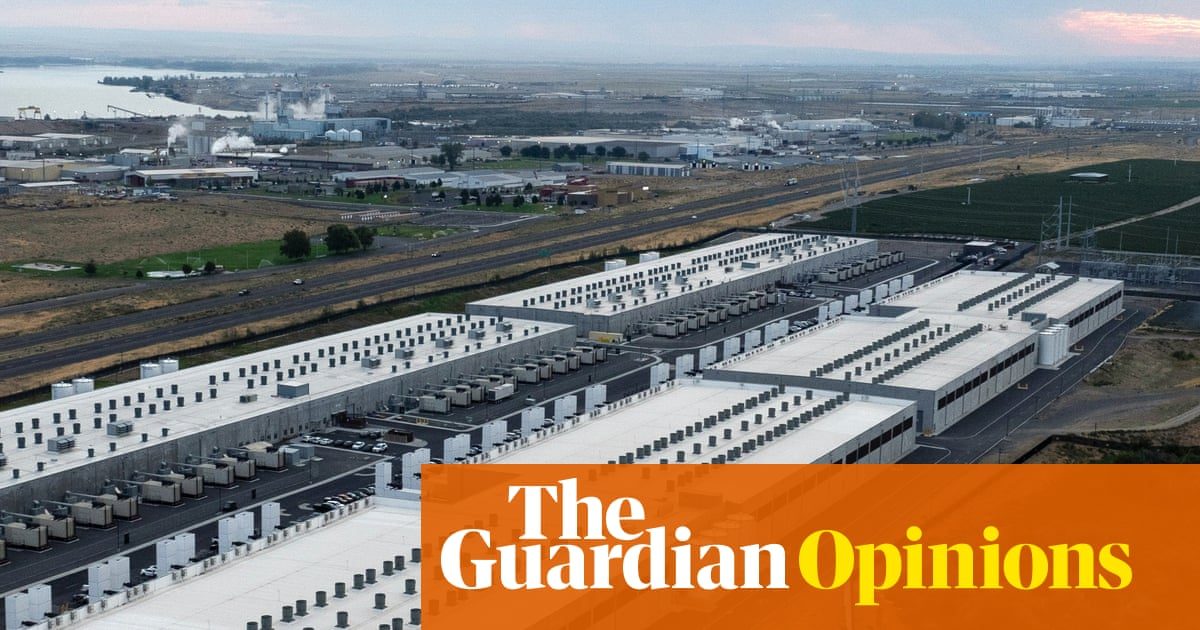
US companies are pouring three-quarters of $1tn into datacenter infrastructure this year, drawing fierce local opposition over energy and land use. However, for market participants, these grassroots protests are largely a sideshow. The actual financial risks lie in a potential infrastructure bubble and the aggressive market capture strategies of AI developers.
The current mania for centralized computing facilities may prove temporary. Technical innovations from Chinese labs like Z.ai, alongside efforts by Apple and Google to run AI directly on mobile phones, are shifting demand toward smaller, local models. If this decentralization accelerates, today's massive datacenter investments could mirror the fiber optic cable bubble of the early 2000s.
Investors should view this physical infrastructure as merely a gateway to a much larger prize. The enterprise software market alone is roughly twice the size of this year's datacenter spend. AI developers have already made inroads in customer service and consumer sales, but they are ultimately positioning themselves to capture the value of entire professional sectors, including enterprise software development, creative design, management, and legal and medical services.
To protect these future revenue streams, AI giants are actively trying to dictate the regulatory environment ahead of the US midterm elections. In the recent New York Democratic primary, political action committees linked to OpenAI and Anthropic spent millions to influence races under the banner of "AI safety." Despite being bitter rivals, the companies are pushing frameworks that suit their business models: OpenAI's allies favor federal dominance that bypasses state regulators, while Anthropic backs heavier compliance rules that favor its ethics-focused branding.
For executives and investors, the defining risk is not whether a datacenter gets built in a small town. It is whether the current wave of capital expenditure will generate long-term returns as computing paradigms shift. Furthermore, the market must weigh the systemic risk of a handful of corporations successfully leveraging their wealth to monopolize the future of professional services.