New Gulf pipelines fail to neutralise Iran oil threat
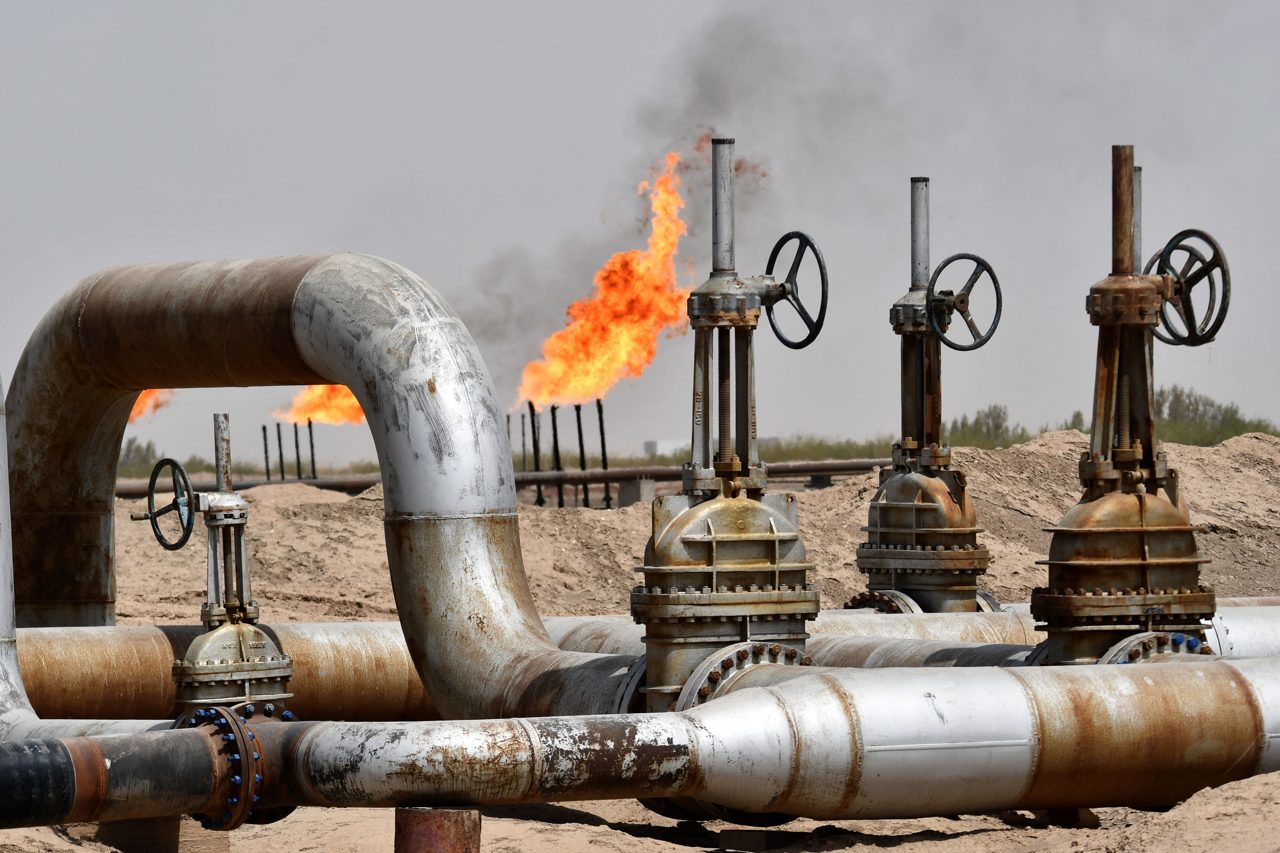
Gulf states are rapidly building pipelines to bypass the Strait of Hormuz, yet this infrastructure offers no permanent solution to Iranian attacks on regional energy exports.
Gulf oil producers are accelerating plans to bypass the Strait of Hormuz as Iranian attacks on tankers cripple seaborne crude exports. Seven pipelines are now under construction or in development across the region, with capacity projected to exceed 14 million barrels per day by the end of 2028. Goldman Sachs analysts note this represents more than 60% of the 23 million bpd the seven Gulf states exported before the US and Israel launched their war against Iran.
The pipeline drive is a direct response to severe supply disruptions. Iraq, OPEC's second-largest producer, has seen its output plummet by more than 50% to 1.9 million bpd in June, down from 4.2 million bpd in February, because it relies heavily on the southern port of Basra. To secure alternative routes, the US is backing Iraq's rebuild of a pipeline from Kirkuk through Syria to the Mediterranean, with American firms expected to handle the construction.
The United Arab Emirates is building a second pipeline to the Port of Fujairah to double its capacity outside the strait. Saudi Arabia, meanwhile, is considering a 2 million bpd expansion of its East-West pipeline to the Red Sea. Existing pipelines in both countries have already served as crucial relief valves, allowing Riyadh and Abu Dhabi to divert millions of barrels around the conflict zone.
However, analysts warn investors against viewing this infrastructure as a foolproof shield. Rystad geopolitical analyst Jennifer Li notes the pipelines function merely as a geopolitical hedge rather than a full replacement for the strait. The physical assets remain highly exposed to the same low-cost, asymmetric warfare tactics deployed against ships in the Gulf.
The vulnerability of land-based infrastructure was exposed in April when Iran struck a Saudi pumping station, immediately cutting throughput by 700,000 bpd. "The problem isn't the waterway," said Bob McNally, founder of Rapidan Energy. "It's that Iran can use weapons to attack loading facilities, pumping stations, the end stations, these terminals, and the storage units of these pipelines."
The risk profile is now expanding beyond the Persian Gulf. Iran and its Houthi allies are threatening to close the Bab el-Mandeb Strait, which connects the Red Sea to global markets. Tehran has reportedly asked the militants to shut the waterway if the US bombs Iranian power infrastructure.
Such a move would trap the millions of barrels Saudi Arabia has successfully routed to its Red Sea export terminal at Yanbu. "The importance of of Yanbu to both Saudi Arabia and to the the global oil market can't be underestimated," said Michelle Wiese Bockmann, senior maritime intelligence analyst at Windward. For markets, the pipeline boom underscores that regional supply risks remain structurally elevated, regardless of route diversification.