Tech CEOs warn AI labs mine corporate client data
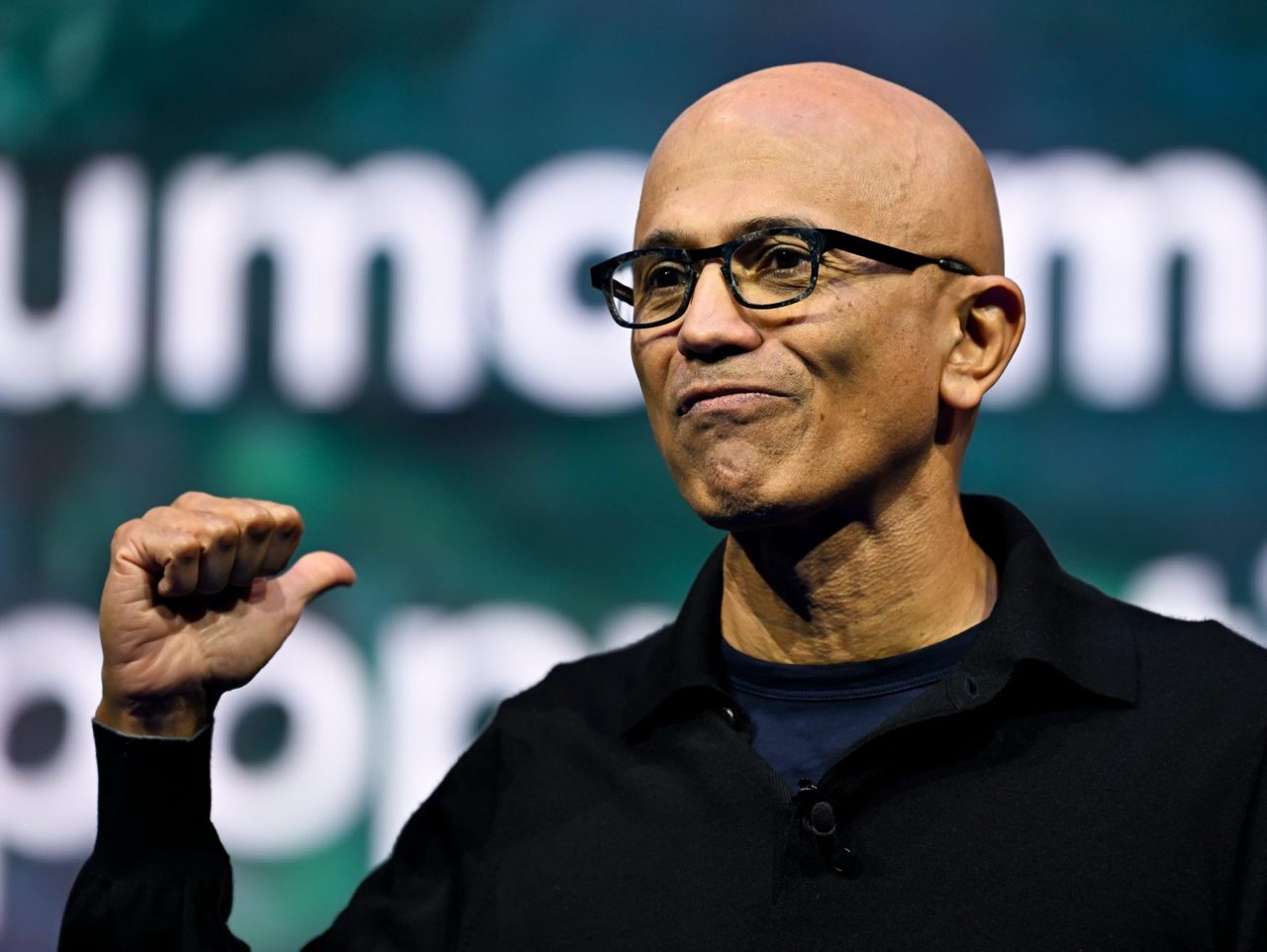
Senior technology executives are warning that frontier AI labs are quietly harvesting proprietary business data to train competing models, a dynamic that threatens to accelerate a corporate shift toward open-source alternatives.
Microsoft CEO Satya Nadella has warned that companies using frontier artificial intelligence models are effectively paying twice: once for the computing tokens and again by surrendering the proprietary knowledge required to make those tools useful.
In a blog post, Nadella argued that AI models learn from "exhaust"—the prompts users write, the tools agents deploy, and especially the corrections made when a model fails. "Every correction is distilled into institutional know-how," he wrote. He noted that while AI labs freely train on the open internet, they restrict enterprises from training on their models, creating a dangerous asymmetry.
Nadella is not alone. Palantir Technologies CEO Alex Karp told CNBC this month that frontier labs are extracting the proprietary data, processes, and competitive edge that make businesses valuable, while charging premium prices for tools that often underperform. Karp said enterprise clients are privately "livid" and accused labs of being more interested in "tokenmaxxing" than solving actual business problems.
Former White House AI and Crypto Czar David Sacks echoed these concerns, stating on a podcast that OpenAI and Anthropic have formed a duopoly that strips enterprises of leverage over their own infrastructure. Both Nadella and Karp have clear commercial interests: Microsoft has poured billions into OpenAI and Anthropic, yet sells the cloud environments and orchestration layers Nadella prescribes as a solution. Palantir’s Foundry platform similarly promises to let companies use external models without exposing their "alpha," as outlined in its recent nine-point "AI sovereignty" manifesto declaring "data retention is your treasure."
Shift to open-source models
This growing unease is already reshaping enterprise procurement strategies, pushing companies toward open-weight models that offer greater data control and transparency. These models, increasingly led by Chinese-based companies, are closing the performance gap with frontier alternatives at a fraction of the cost.
Infrastructure providers are tracking the pivot. Vercel reports that open models now account for 29% of traffic through its AI gateway. Amazon CTO Werner Vogels also noted a corporate migration toward open-source options, driven by the need to control costs and understand the technology embedded into operations.
Regulatory unpredictability is amplifying the risk of vendor lock-in. The US government recently blocked access to Anthropic’s Fable 5 models, demonstrating that relying on a single AI vendor leaves critical workloads vulnerable to sudden supply disruptions.