AST SpaceMobile tumbles as $1B raise exposes SpaceX reliance
AST SpaceMobile shares fell 15.5% after the company announced a $1 billion convertible note offering that raises fresh concerns about shareholder dilution and the company's dependence on rival SpaceX for orbital access.
AST SpaceMobile plans to raise $1 billion through a private offering of convertible senior notes. The announcement sent shares down 15.5% by midday trading. The notes carry an initial conversion price of just under $80 per share, representing a 20% premium over the previous day's closing price.
Despite this premium, the offering has frustrated shareholders already dealing with a steep decline in the stock. AST has lost nearly 60% of its value since late May, when it traded above $130. Executing a capital raise weeks ago would have secured a higher conversion price, meaning fewer shares issued and less dilution for existing investors.
AST said it will use the proceeds for growth initiatives and to "secure additional access to orbit for its space-based cellular broadband network." Building and launching a satellite array capable of delivering broadband directly to standard smartphones is an enormously expensive endeavor. This $1 billion injection represents the heavy capital requirements necessary to scale the company's ambitious network infrastructure.
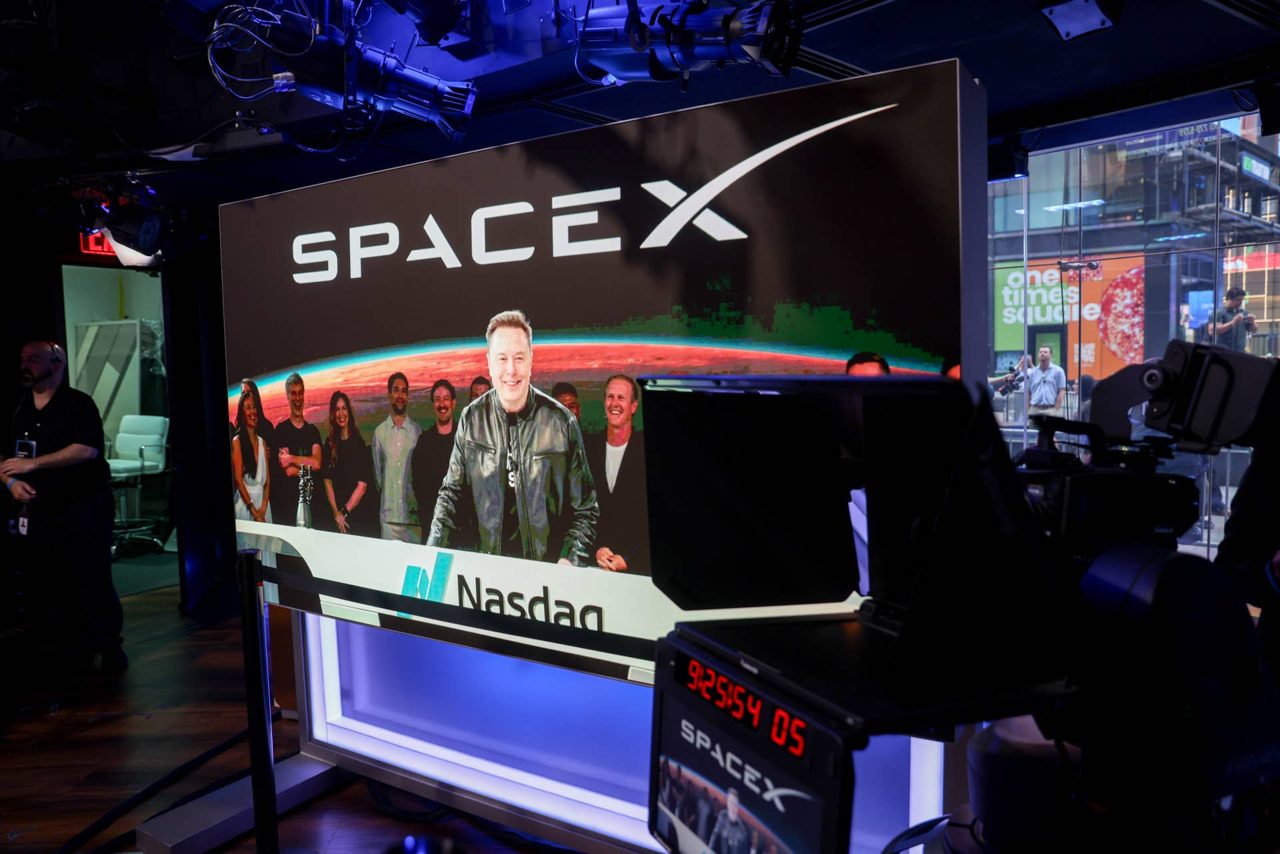
However, the capital structure is only part of the market's anxiety. The specific allocation of these funds exposes a critical vulnerability in AST's operational model. The company is entirely dependent on third parties to physically reach space, and the dominant force in that launch market is SpaceX.
This reliance creates a precarious dynamic for AST. SpaceX’s Starlink service is a direct competitor, boasting a massive constellation of already-deployed satellites and its own proprietary rocket advantages. By using its raised capital to fund orbital access, AST is effectively paying a key rival to maintain its own competitive position in the satellite broadband market.
For investors, the fundamental math remains challenging. AST must navigate heavy capital requirements, looming shareholder dilution, and a competitive landscape where its primary rival also acts as a primary supplier. Until the company can prove it can independently secure its path to orbit, the stock will likely struggle to recover its previous highs.