AES states weaponise terror claims amid $30bn illicit gold trade
The Alliance of Sahel States has accused neighbouring governments of funding terrorism to justify its break from West Africa's economic bloc, raising compliance and sanctions risks for investors exposed to the region's massive illicit gold trade.
Mali, Niger and Burkina Faso have escalated allegations that neighbouring governments and France are sponsoring terrorist groups within their borders. Speaking at a security forum in Diamniadio on 21 April 2026, Malian Foreign Minister Abdoulaye Diop charged that “neighbouring countries are currently harbouring terrorist groups, supporting terrorist groups, or frequently receiving hostile forces that carry out operations against us.” Niger’s Foreign Minister Bakary Yaou Sangaré added that states seeking counterterrorism cooperation are simultaneously “fuelling, financing and sustaining” terrorism on Nigerien soil.
Reputable reporting has not produced independent public evidence linking France or specific ECOWAS governments to the command of terrorist attacks. Counter-insurgency analyst Zagazola Makama notes that AES intelligence agencies have launched joint operations targeting alleged Nigerian sponsors of insecurity, and Mali has filed a case against Algeria at the International Court of Justice. The diplomatic offensive follows military takeovers between 2020 and 2023, after which the AES states formally withdrew from ECOWAS on 29 January 2025.
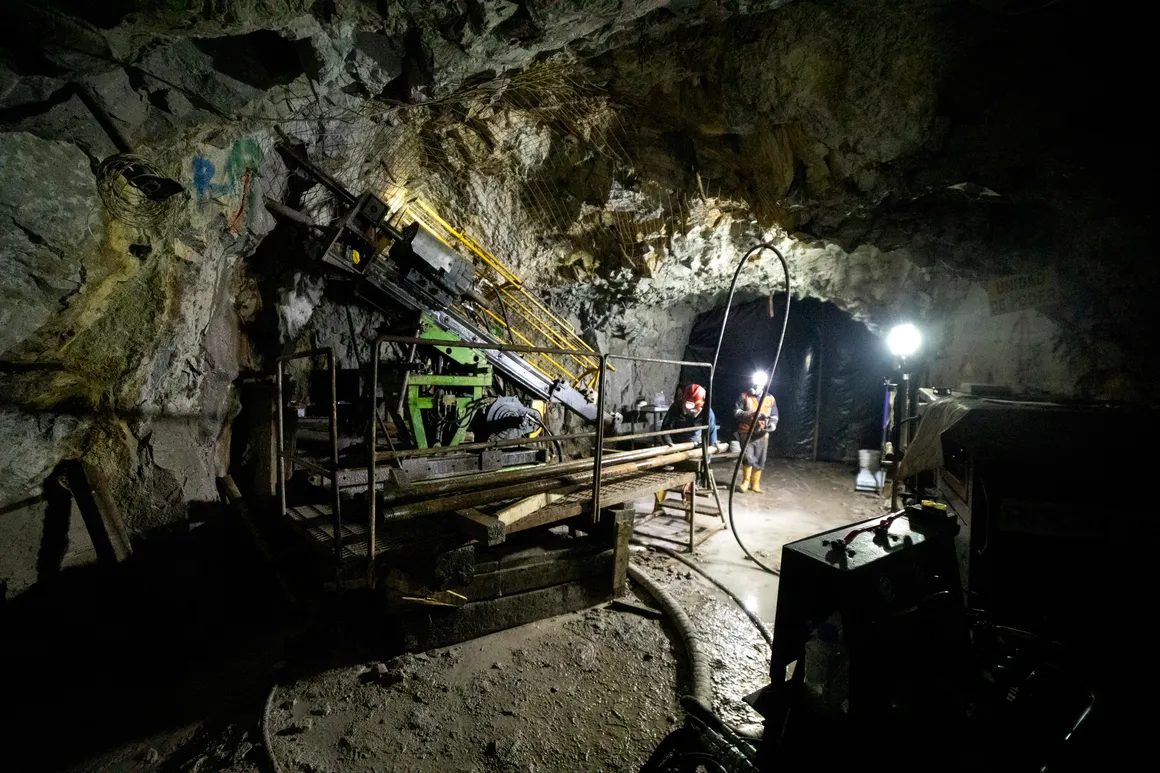
For market participants, the most immediate risk lies in commodity supply chains. Armed networks in the Sahel extract illegal gold worth an estimated US$30 billion annually, according to Swissaid, with the bulk flowing to the United Arab Emirates, Turkey and Switzerland. International buyers may unknowingly interact with conflict-linked gold, creating a material compliance liability that AES governments are now learning to weaponise.
Businesses operating in Mali, Niger and Burkina Faso face heightened sanctions risk due to the recent coups, human rights issues and the deployment of Russian Africa Corps mercenaries. Firms must also prepare for potential foreign-exchange volatility and convertibility constraints if the AES advances a non-CFA franc currency. The bloc's newly announced Sahel Investment and Development Bank could restrict access to traditional Western lenders while channelling infrastructure finance through non-Western capital.
The geopolitical fracture is deepening a physical security vacuum that directly threatens commercial operations. According to the Global Terrorism Index 2025, the Sahel remains the world's most terrorism-affected region for the second consecutive year. Because intelligence sharing between ECOWAS and the AES confederation is now crippled, operational risks for personnel and physical assets will likely keep climbing.