Russian crude exports hit 5.8mn bpd as defence output lags
Russian crude exports reached 5.8 million barrels per day in June despite Ukrainian drone strikes on refineries, exposing a structural shift in energy trade and a widening industrial capacity gap in missile defence.
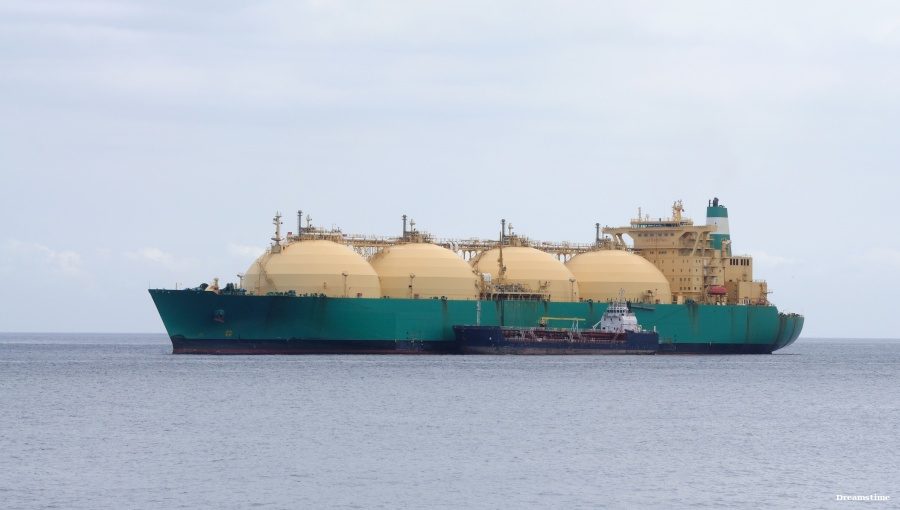
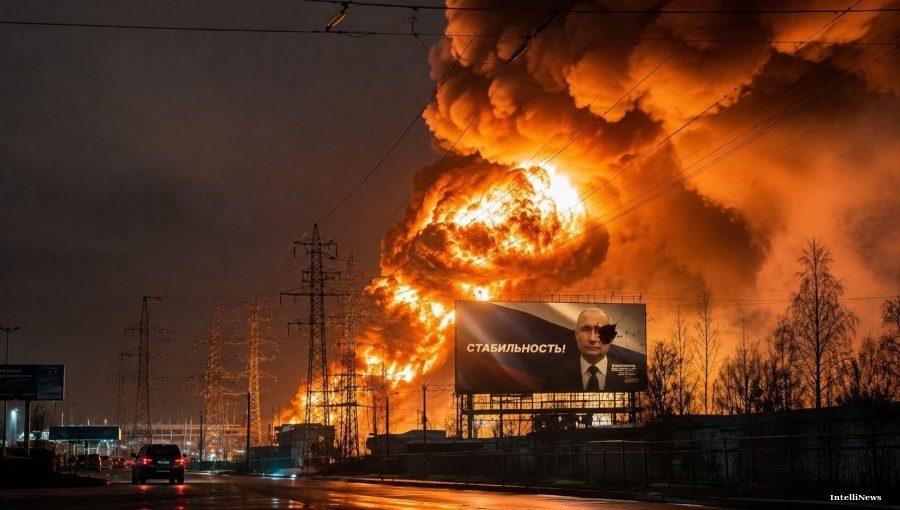
Russia exported 5.8 million barrels per day of crude in June, the highest monthly volume since February 2022, even as Ukrainian drones systematically targeted the country's ten largest oil refineries. Rather than crippling Moscow's export revenues, the sustained attacks have forced a structural pivot in Russian trade flows. Moscow is now compensating for reduced domestic refining capacity by shipping more unprocessed crude abroad while importing refined petroleum products to meet local demand.
This trade adaptation has effectively insulated Russian state revenues from physical damage to critical energy infrastructure. While the strikes have successfully disrupted domestic fuel production and caused periodic gasoline shortages, the financial impact has been blunted. The dynamic was briefly amplified by broader geopolitical tensions, as concerns over instability in the Middle East pushed Brent crude prices to their highest levels in weeks. That price spike temporarily increased Moscow's export revenues precisely as its refining sector faced mounting pressure.
The resilience of Russian energy revenues highlights a widening strategic asymmetry defined by industrial capacity. While Moscow sustains its export economy, Ukraine faces severe constraints in replacing depleted air-defence stocks. During a large-scale Russian assault on July 6, Ukrainian forces intercepted only four of 54 ballistic missiles. The attack killed 28 people by the following morning, exposing the growing strain on Kyiv's limited inventory of advanced interceptors.
The root of this imbalance lies in the sluggish pace of global defence manufacturing. Lockheed Martin produced a record 620 PAC-3 MSE interceptors in 2025. However, recent conflicts demonstrate how rapidly these stockpiles are consumed; US and Gulf air-defence forces reportedly fired hundreds of Patriot interceptors over just a few days during the recent opening phases of the Iran conflict.
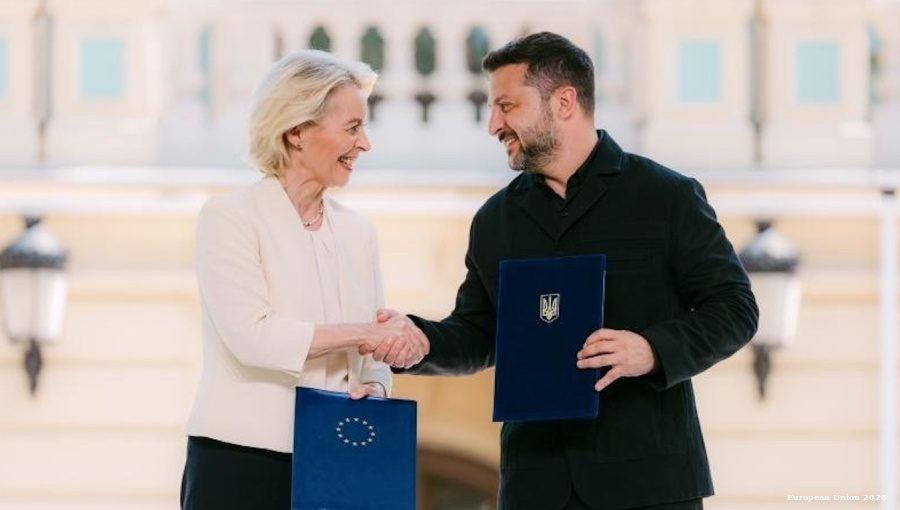
President Volodymyr Zelenskiy has repeatedly urged partner nations to release additional Patriot missiles, arguing that allied stockpiles could immediately reinforce Ukrainian air defences. However, deploying these systems requires navigating lengthy production schedules, international delivery logistics, and political approvals. Independent analyst Shanaka Anslem Perera argued the war is increasingly becoming a contest of industrial capacity rather than just battlefield performance. For markets, the implication is clear: Russian crude flows will likely remain robust as long as Moscow can export unprocessed oil, while the defence sector faces persistent, years-long backlogs to replace expended interceptors.