Warsh Fed plan targets long-term bond yield stability
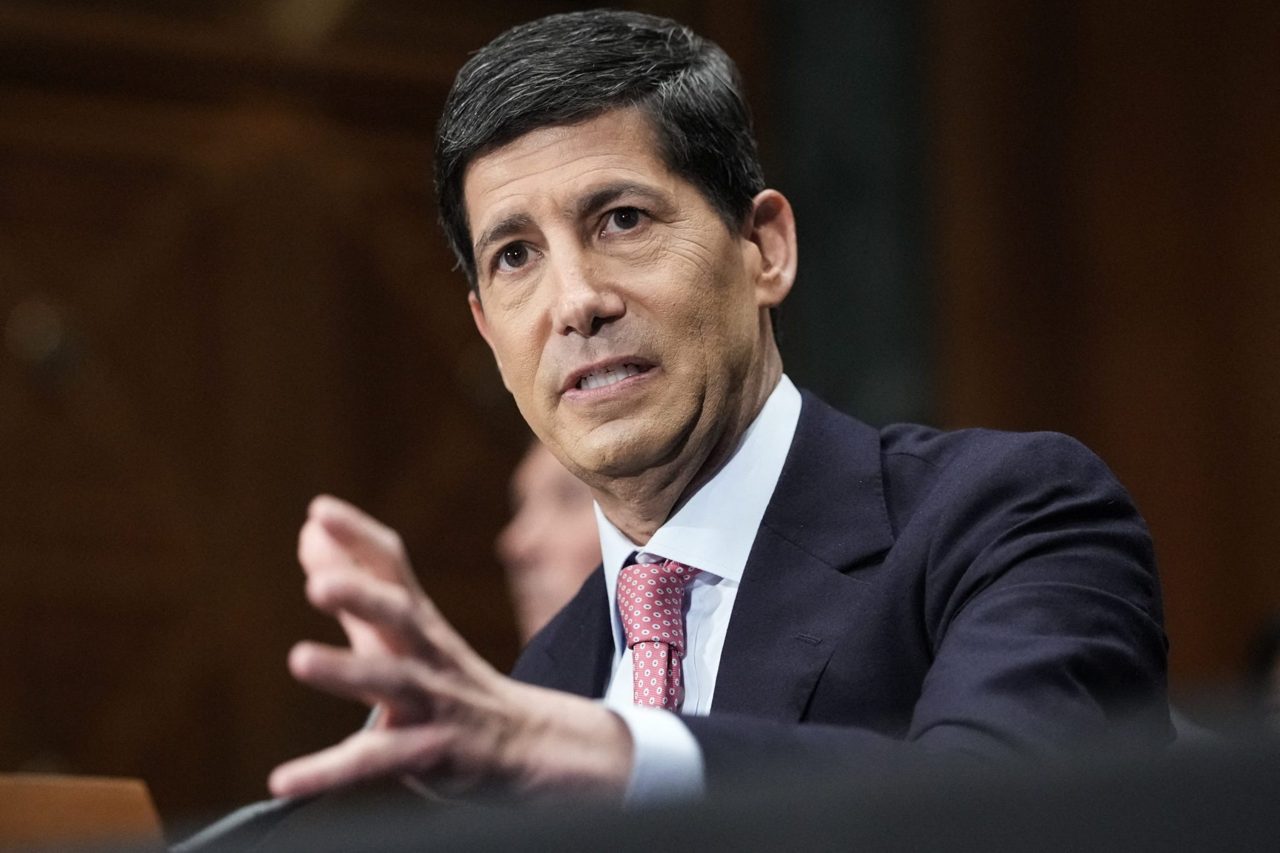
Kevin Warsh’s new data-driven approach at the Federal Reserve could shift market volatility to short-term bonds, ultimately stabilizing the borrowing costs that dictate mortgages and corporate debt.
The Federal Reserve under Kevin Warsh is poised to upend standard fixed-income trading habits by deliberately shifting market volatility from long-term Treasuries to the short end of the yield curve. According to Jim Caron, Chief Investment Officer of portfolio solutions at Morgan Stanley, the incoming chairman’s task force strategy is designed to make short-duration bonds the buffer for the broader market.
This structural shift relies on abandoning forward guidance in favor of real-time economic data. By refusing to signal the future path of interest rates, the Fed would force investors to price policy shifts in the near term rather than speculating on the 10- or 30-year horizon. "The way that I’ve interpreted it is that if [Warsh] is gonna be more variable in terms of his views because he wants to be more contemporaneous and more real time in his thinking, then that means that the front end of the yield curve is going to be more volatile," Caron said.
The potential payoff for the real economy is substantial because long-term Treasuries serve as the primary benchmark for corporate borrowing and consumer mortgages. This year, those benchmarks have swung aggressively, with the 10-year yield ranging between 3.96% and 4.66%, and the 30-year bond between 4.54% and 5.18%. Taming these fluctuations would directly benefit businesses and homeowners looking to lock in predictable, longer-term financing costs.
The strategy effectively targets the central bank's often-overlooked third mandate: maintaining moderate long-term interest rates. By reacting aggressively to inflationary pressures or economic cooling in the short term, the Fed can prevent those forces from embedding into long-term pricing. "But if he does his job, if the Fed does their job... then what should be true is that the front end will gain volatility, but then it will lose volatility in the longer run," Caron explained.
Caron noted that investors should view short-term rates as the primary risk gauge going forward. "I would think about the front end of the yield curve as the shock absorber for the back end of the yield curve," he said. However, such a strictly data-dependent approach could clash with the executive branch, as President Trump has actively lobbied for a lower base rate.
Anticipating a steadfastly dovish chair to accommodate the White House would be a mistake. Caron described that expectation as "low-resolution thinking." He added that any economist familiar with the central bank cannot easily categorize Warsh as exclusively hawkish or dovish, as his historical record shows flexibility on both sides of monetary policy.