US Disables Iran-Linked Tanker, Pushing Brent Above $85

The U.S. military disabled an Iran-bound oil tanker near Kharg Island, driving crude prices higher as markets price in escalating supply disruptions at a vital maritime chokepoint.
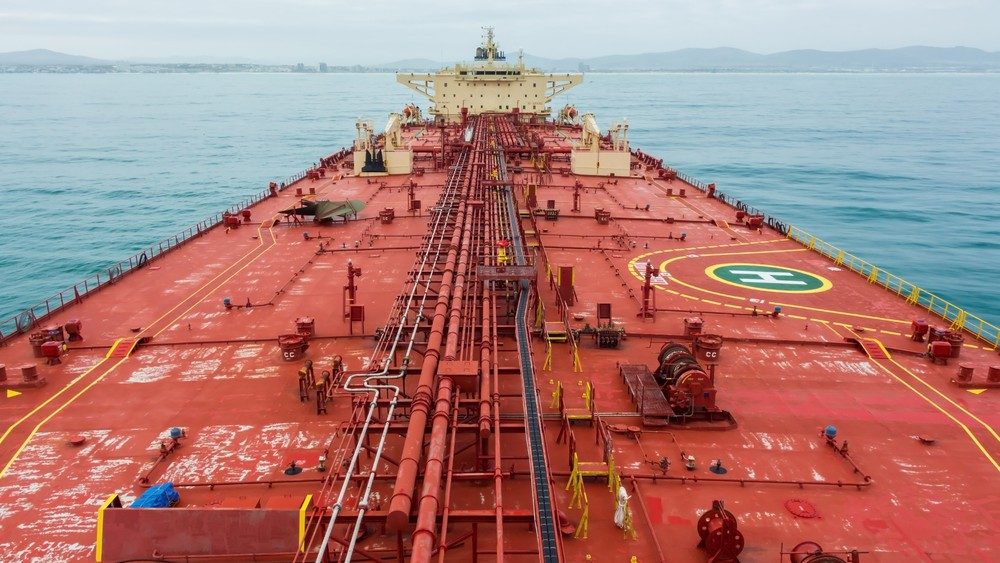
U.S. forces disabled an Iran-linked oil tanker in the Persian Gulf early on Thursday, marking the first direct attack since Washington reinstated a naval blockade against Iranian ports. An American aircraft fired Hellfire missiles into the smokestack of the Curacao-flagged M/T Belma after the vessel ignored multiple warnings. The strike occurred in international waters near Kharg Island, a critical Iranian export terminal.
The military escalation immediately rippled through global commodity markets, pushing Brent crude above $85 per barrel and WTI over $80. Traders are rapidly pricing in a dramatic slowdown of tanker traffic through the Strait of Hormuz. The immediate risk to markets is that further military engagements could physically constrain global energy supply chains.
The U.S. naval blockade resumed at 4 p.m. ET on July 14 in response to Iranian attacks on commercial vessels in the southern lane of the Strait of Hormuz, an area near Oman thought to be guarded by the U.S. By targeting an unladen vessel attempting to enter an Iranian port, Washington is signaling an expansion of its enforcement scope. Both nations remain defiant in their efforts to inflict economic pain on each other.
This tightening of physical supply comes at a highly vulnerable time for the oil market. “The concern is that renewed oil supply disruptions come amid the large inventory drawdowns through the second quarter, leaving the market more vulnerable,” ING commodities strategists Warren Patterson and Ewa Manthey wrote in a note on Thursday.
Vessel-tracking data compiled by Bloomberg showed the M/T Belma making a sharp turn away from Kharg Island shortly after being hit. “The ship is no longer transiting to Iran,” the U.S. Central Command confirmed. The broader implications for commercial shipping routes remain highly uncertain as the maritime conflict enters a more dangerous phase.