China's economy grows 4.3% in Q2, dragged down by weak domestic demand
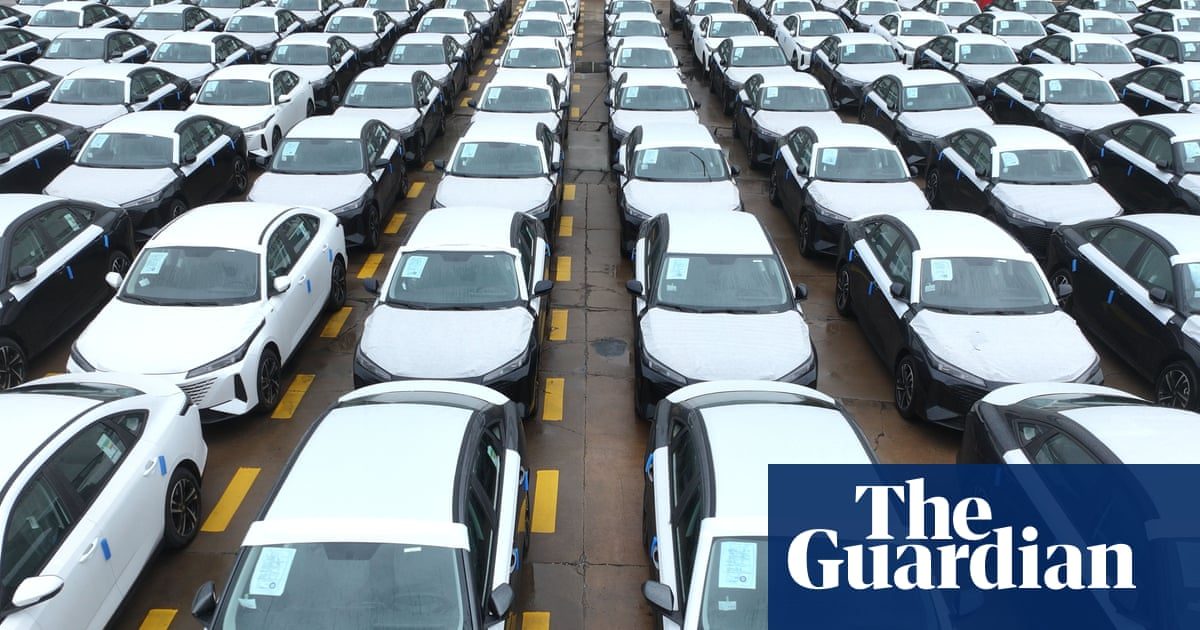
China's second-quarter growth fell short of government targets at 4.3%, exposing a dangerous reliance on exports as domestic investment and consumption falter.
China’s economy expanded by 4.3% in the second quarter, falling short of Beijing’s 4.5% to 5% target and marking one of the weakest quarterly readings since official figures began in the early 1990s. The only recent period with lower growth was the final quarter of 2022, when strict Covid-19 restrictions were still in place.
The data laid bare a stark divergence in the world’s second-largest economy. While outbound shipments surged by 27% in June—including a record monthly high of 1 million car exports—domestic demand remained stubbornly weak. Vehicle sales inside the country plummeted by more than 16%, and while retail sales excluding cars rose 3%, economists caution that consumption growth remains insufficient.
More alarming for structural investors is the collapse in fixed-asset investment, which dropped more than 4% between January and May. Li Daokui, an economist at Tsinghua University and an adviser to Beijing’s senior leadership, warned that local governments have transformed from being the engines of growth to the bottlenecks.
The scale of the infrastructure contraction is historically significant, with comparable declines occurring only in 1961 and 1967. “The intensity and magnitude of this cumulative negative growth are unprecedented,” Li said, adding that investment and unemployment “must be given our utmost attention.” “If [these issues] are not addressed, all of China’s economic goals and tasks will face difficulties.”
This reliance on exports to paper over domestic weakness carries significant external risks. Exports account for roughly 20% of Chinese GDP, leaving the economy highly exposed to potential global demand shocks. A US-China trade truce is currently in effect, but Beijing is wary of a tariff resurgence when the agreement expires in November. Furthermore, the US-Israel war on Iran threatens to dampen global demand. While China has avoided an immediate energy shock through large stockpiles and diversified sources, a broader global recession would severely punish its export-heavy model.
Policymakers face a dilemma as the Chinese Communist Party prepares for a gathering of top officials later this month. Although the 4.3% second-quarter print missed expectations, first-half growth came in at 4.7%, safely within the official target range. That headline figure may reduce the urgency for the extensive stimulus measures economists say are badly needed to finally rebalance the economy toward domestic consumption.