AlleyCorp targets early-stage with new $335M fund
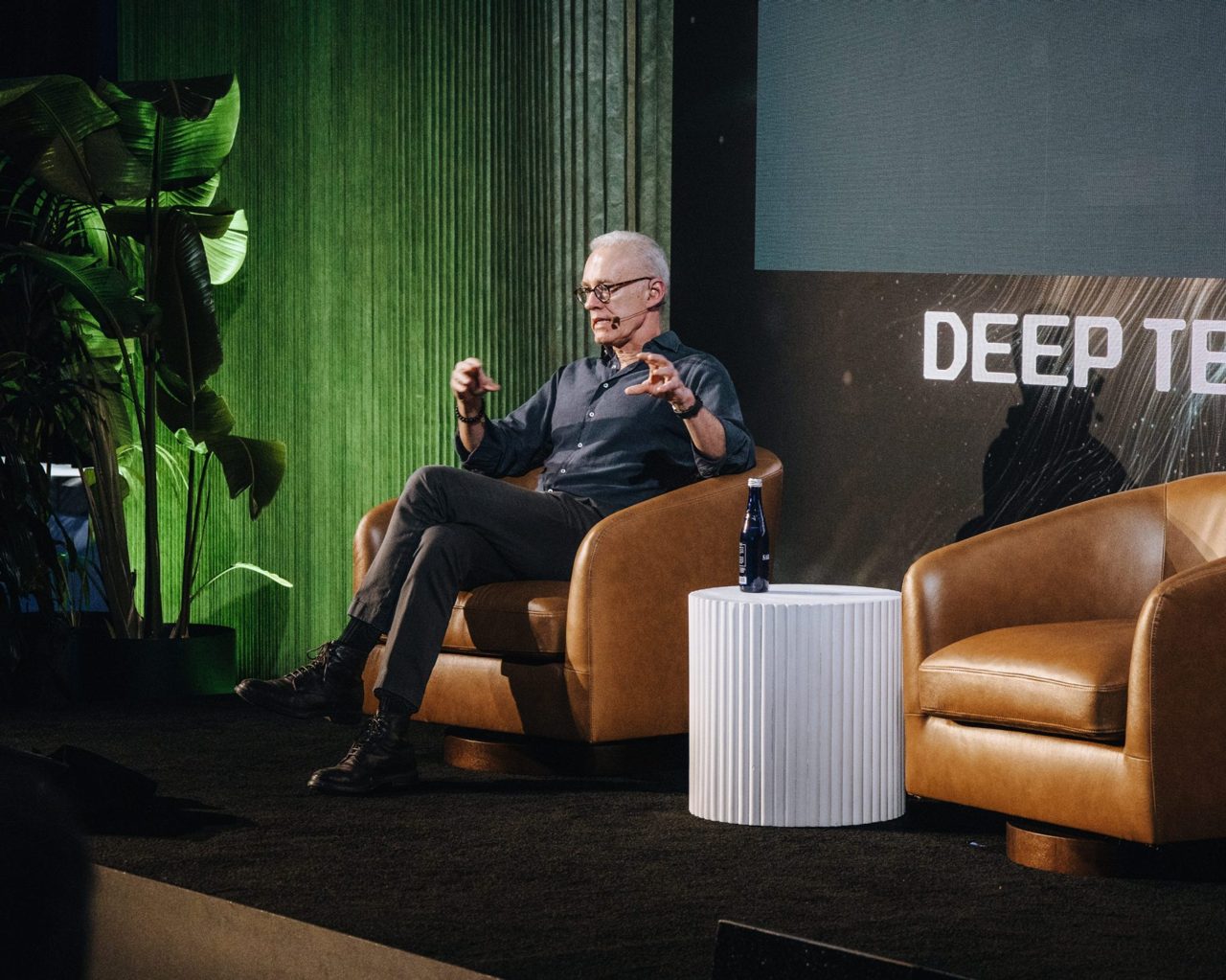
Kevin Ryan’s AlleyCorp has closed a $335 million fund to back early-stage startups, sticking to a traditional venture model while the broader market funnels unprecedented capital into a handful of AI giants.
AlleyCorp has raised $335 million for its second institutional fund, just a year after taking outside capital for the first time with a $250 million vehicle. The New York-based firm, which began as a family office in 2007, targets healthcare, deep tech, and general technology. Its current portfolio includes eight unicorns such as Rogo, ShopMy, Valar Atomics, and Thyme Care. According to a source familiar with its financials, the firm's prior investments have generated a 60% all-time internal rate of return.
Ryan restricts AlleyCorp to first checks under $10 million. He recently backed a company at a $25 million valuation with $500,000 in revenue, an approach he says mirrors the firm's work six or seven years ago. This strategy stands in stark contrast to the current broader venture market, which has seen $412.7 billion deployed into U.S. startups so far in 2026.
Ryan pushes back on classifying the tens of billions flowing into companies like Anthropic and OpenAI as venture capital. “I don’t think that’s venture capital,” Ryan said. “If it’s Anthropic, they wait until $1 trillion and it’s all ‘VC money’ but it’s not—these are bigger than public companies…I think you might ultimately see VC dollars invested drop because so much has gone into SpaceX, Anthropic, and OpenAI.”
AlleyCorp may grow its fund size in the future, potentially reaching $500 million or $600 million. Ryan indicated this capital would be used to expand into new verticals like biotech or new geographies, rather than moving up into later-stage financing. “Our next fund could be bigger,” said Ryan. “It could be 500, 600 [million]. You can expand in two ways without changing your strategy: One’s verticals, another is geography.”
The firm's thesis relies on identifying non-obvious trends years before they mature. Ryan pointed to his backing of the Yale Center for Psychedelic Research and Transcend Therapeutics, a psychoactive drug maker that sold in June for $1.2 billion. “What I think about is where the world’s going five to ten years from now, and then we need to make a bet when it’s not obvious,” Ryan said. “If it’s obvious, it’s worth $20 billion and it’s too late.”