Brazil copper exports jump 84% as US tariffs spare minerals
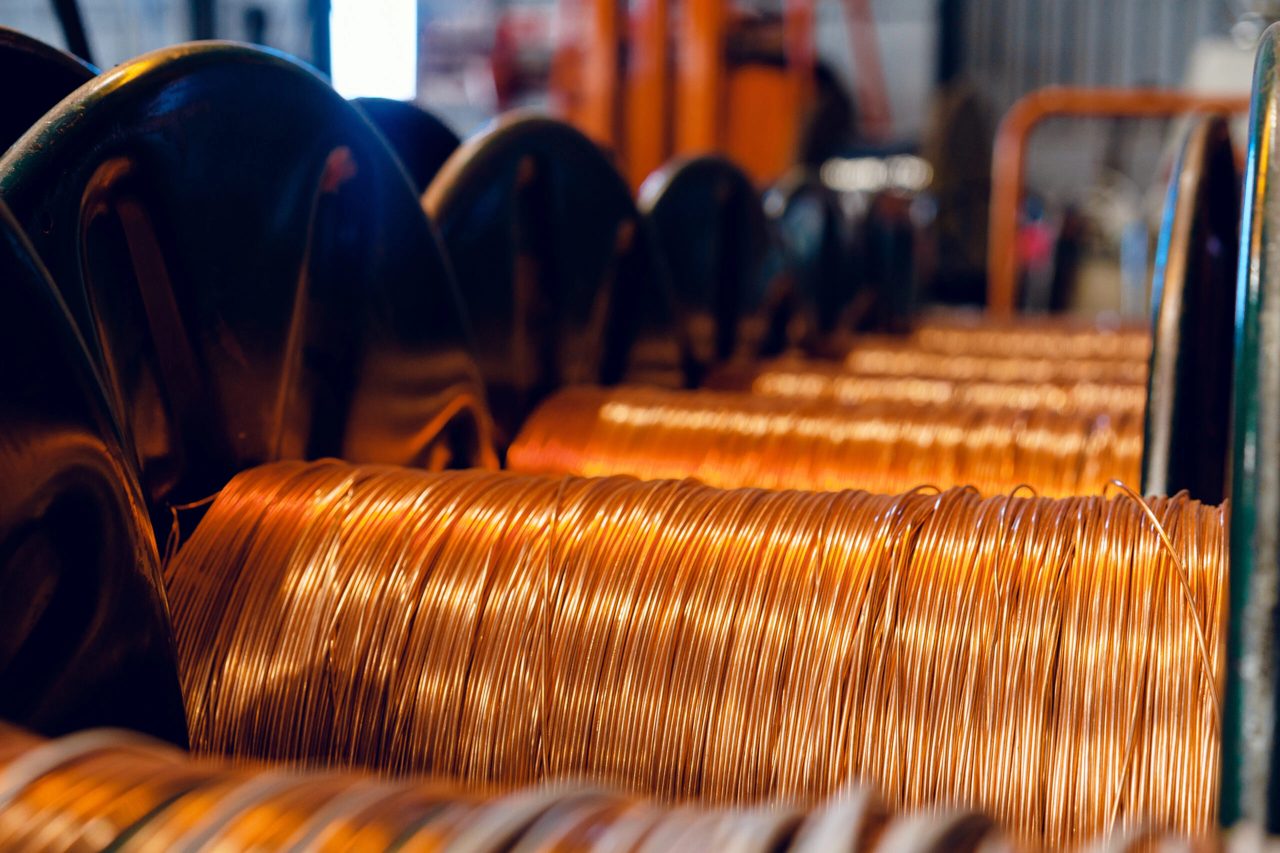
Brazilian copper exports surged 84 percent in the first half, driven by European and Indian industrial demand, while the country's raw mineral trade remains insulated from impending US tariffs.
Brazilian copper ore exports reached $3.87 billion in the first half, an 84 percent increase from a year ago. The surge was driven primarily by a 42 percent jump in implied average prices to roughly $4,560 a tonne, alongside a 30 percent volume increase to 848,500 tonnes.
This commodity boom arrives just as Washington faces a statutory deadline to decide on a 25 percent tariff on Brazilian goods. However, neither copper nor iron ore—the country's two largest mineral exports at a combined $17.3 billion—will face these duties.
Iron ore sits on an annex of more than 1,600 exempt tariff lines, while copper is excluded because it is already subject to separate American metals duties. The proposed tariffs instead target manufactured goods, a sector where Brazilian exports to the US fell by more than $1 billion over the same period.
The copper export data reveals a shifting geographic demand profile. Germany became the top buyer at $865 million, more than doubling its purchases. India’s imports surged sevenfold to $376 million, pushing combined European and Indian buying well ahead of China, which purchased $712 million.
This regional demand reflects industrial policy materializing in customs data, as buyers import copper for grid expansion, electric vehicles, and renewable energy. The critical question for investors is whether this buying holds if copper prices retreat from current levels.
Iron ore presents a contrasting picture of concentrated risk. First-half revenue rose a modest 5.2 percent to $13.4 billion on 189.4 million tonnes. Growth was largely restricted to higher-value agglomerated ores like pellets and sinter, which jumped over 20 percent in value, while raw unagglomerated bulk crawled ahead at 3.4 percent.
China remains the overwhelming buyer, purchasing $9.15 billion of the unagglomerated grade—roughly 77 percent of that category. This concentration means Brazilian iron ore revenue continues to track Chinese steel and construction policy more closely than any decisions made in Washington.
Capital is following the copper pivot, but the transition remains gradual. The mining industry association expects $76.9 billion in sector investment between 2026 and 2030, a 12.5 percent upward revision. While $21.3 billion is earmarked for critical minerals, iron ore still commands the largest share of planned spending at nearly 26 percent, compared to 11 percent for copper.
Revenue growth in mining is not translating into widespread labor gains. Direct employment reached roughly 230,000 early this year, a modest increase that underscores the capital-intensive, automated nature of the current expansion. For portfolio managers, Brazil's mining sector offers a bet on European and Indian electrification, but it remains structurally tethered to Chinese heavy industry.