Brazil tariffs: 25% headline rate masks vast commodity exemptions
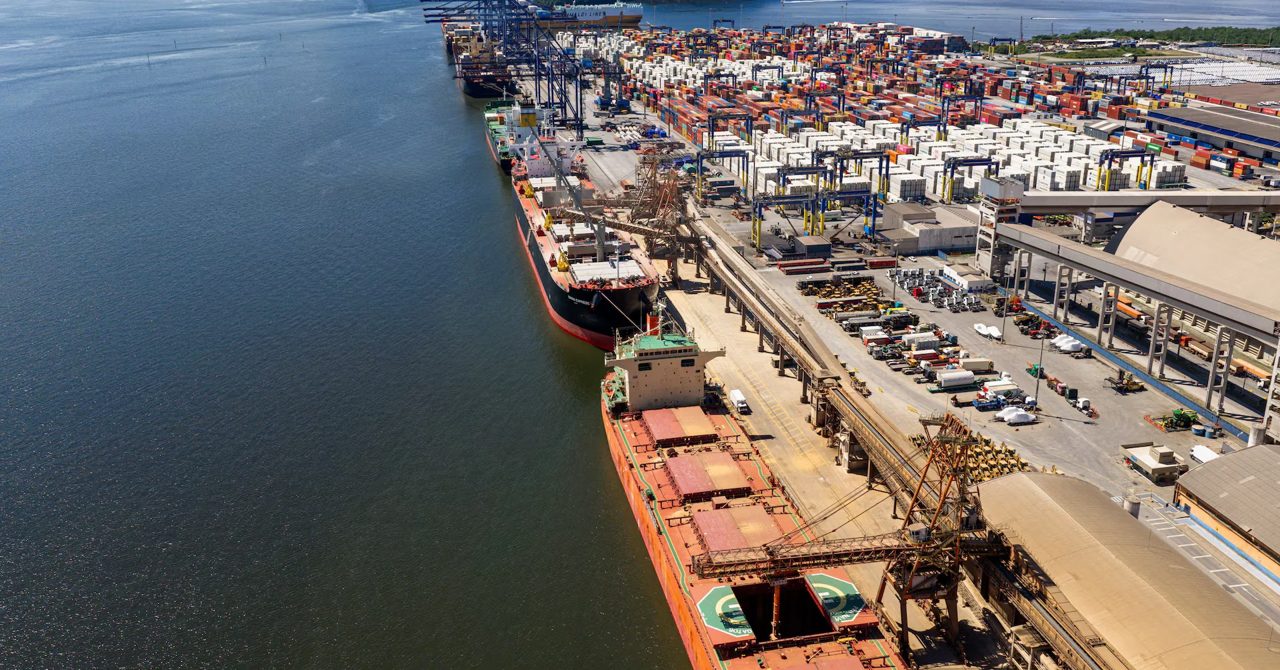
Washington imposes a 25% tariff on Brazilian goods under Section 301, but broad exemptions for commodities limit the immediate financial damage to a trade relationship that has already pivoted decisively toward China.
Washington today hits Brazil with a 25% tariff under Section 301, concluding a year-long investigation into six areas of trade friction. Ambassador Jamieson Greer said "talks with Brasília had accelerated in recent weeks but that substantial differences remained."
The headline rate obscures the practical impact. An accompanying annex exempts more than 1,600 tariff lines, shielding key Brazilian exports including coffee, beef, orange juice, iron ore, petroleum products and civil aircraft parts.
Roughly half of Brazilian exports to the American market already sit outside the tariff net. This exemption list keeps the bulk of that commodity trade intact, limiting the immediate shock to agricultural and energy markets.
For the 4,200 products that remain in scope, the financial burden is severe. Brazil’s national confederation of industry values the affected exports at roughly $15 billion, translating to an annual duty bill of about $3.75 billion.
Beyond traditional goods, the ruling explicitly targets Pix, the Brazilian central bank’s instant-payment system. It identifies the platform as a national champion that has disadvantaged American competitors, elevating the dispute into a conflict over digital trade.
Markets also face a nine-day window of legal uncertainty. A separate 10% duty imposed under Section 122 in February lapses around July 24. Public guidance has not clarified whether the new 25% duty stacks on top of the existing 10%, creating potential brief exposure to a 35% rate.
A second layer of risk arrives on July 24, when a separate forced labour investigation covering 60 economies reports. If Washington places Brazil in the group of non-compliant countries, a further 12.5% duty could apply, potentially pushing cumulative levies on some goods to 37.5%.
For investors, the deeper story is that the damage to US-Brazil trade ties has already materialized. Brazilian exports to the United States fell 13% in the first half of the year to $17.4 billion.
The US share of Brazilian exports dropped to 9.4% from 12.1% a year earlier, the lowest share in records going back to 1997. Over the same period, China’s share rose to 31.5% from 28.9%.
Twenty years ago, 17 Brazilian states counted the US as their main trading partner; today, only six do, while China leads in 14. Industrial exports to the US shrank by more than $1 billion in the first half, even as overall Brazilian exports grew almost 12%.