Argentina inflation eases to 1.9% as peso depreciation looms
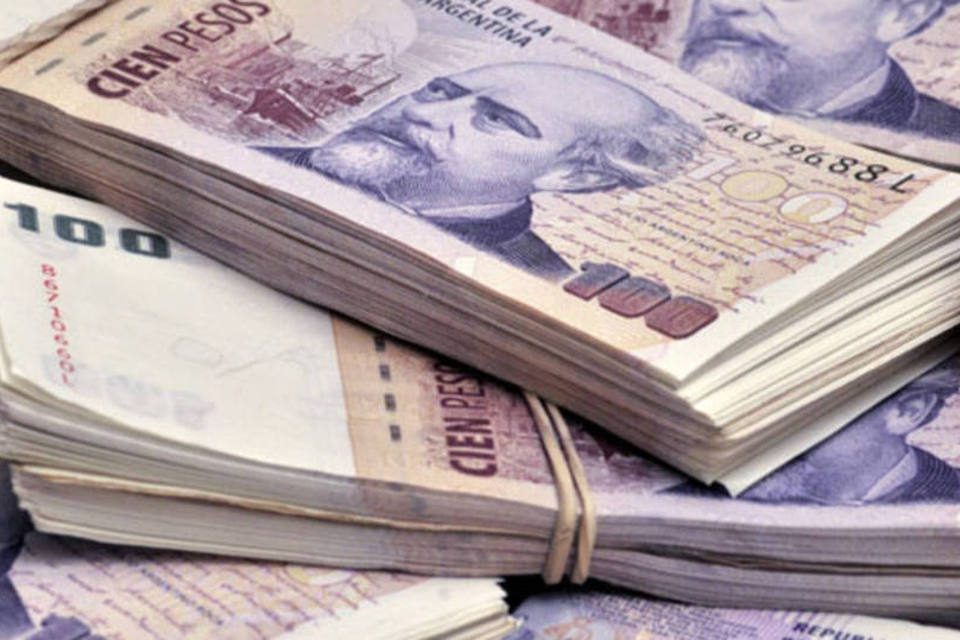
Argentina's monthly inflation dropped below 2% for the first time in nearly a year, validating the central bank's 2025 tightening even as currency weakness threatens to erode those gains.
Argentina’s monthly inflation rate fell to 1.9% in June, marking the first sub-2% reading since August 2025. The official statistics agency, INDEC, reported that core inflation, which strips out volatile and regulated prices, dropped even further to 1.6%. The government noted the June figure as the lowest monthly print of the year.
The data cements a steady disinflationary trend that followed the aggressive monetary tightening cycle of 2025. Monthly price growth has decelerated consistently, falling from 3.4% in March to 2.6% in April, 2.1% in May, and finally 1.9% in June. Accumulated inflation for the first half of 2026 now totals 16.8%, pulling the annual rate down to 33.5%.
This represents a dramatic normalization from the triple-digit inflation rates that characterized the Argentine economy in prior years. For investors and corporate treasurers, however, the consumer price data provides only a partial measure of macroeconomic stability. The dominant risk for any capital exposed to Argentina remains the trajectory of the peso.
While slower inflation makes domestic pricing more predictable, it does not insulate against currency depreciation. The central bank’s own market survey underscores this vulnerability, projecting the dollar will climb above 1,600 pesos by the end of 2026, with annual inflation expected to settle near 30%. This divergence means the local purchasing power of foreign capital continues to erode, albeit at a slower pace than during the peak inflation crisis.
Pressure on the currency is already apparent in the parallel market. The informal "blue" dollar currently sits near 1,515 pesos. The spread between this parallel rate and the official exchange rate is a critical metric for market participants, as a widening gap historically signals imminent devaluation pressure.
Attention will now shift to the July inflation report, due next month, to see if the sub-2% pace is sustainable. Until then, the primary focus for financial markets will remain squarely on exchange rate dynamics.