Oil gains as US strikes Iran, reinstates Hormuz blockade
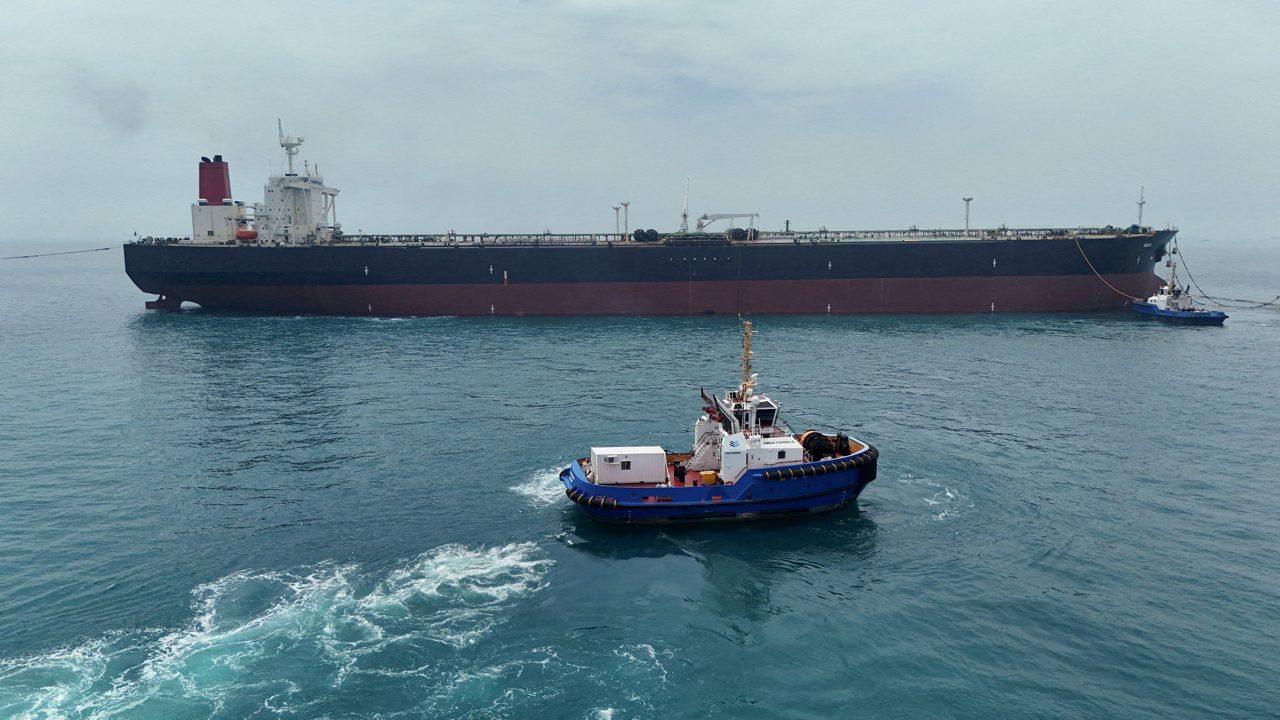
Crude prices surged after the U.S. launched fresh military strikes on Iran and reinstated a naval blockade, reviving fears of a major disruption to global energy supplies.
Brent crude for September delivery climbed 1.23% to $85.77 a barrel, while U.S. West Texas Intermediate futures for August added 1.01% to $80.14. The price rally followed Washington's decision to resume a naval blockade on vessels traveling to and from Iranian ports near the Strait of Hormuz. The reintroduction of the military cordon immediately heightened supply anxieties among energy traders.
The maritime restriction was accompanied by a coordinated, seven-hour U.S. bombardment targeting dozens of Iranian military assets along the coastline. U.S. Central Command said the operation utilized fighter aircraft, drones, and naval vessels to strike missile and drone facilities, naval assets, and coastal defense systems. The stated objective was to further degrade Iran's ability to threaten commercial shipping in the region.
Washington justified the escalation as a direct response to recent attacks on merchant marine traffic. Centcom Commander Brad Cooper stated that Iran had "intentionally" targeted civilians over the previous week, attacking seven commercial vessels. Those strikes left roughly a dozen crew members dead, missing, or injured.
For financial markets, the rapid deterioration in the geopolitical landscape has shattered recent assumptions about a potential de-escalation. Just days ago, traders had begun pricing in the possibility of a swift reopening of the strategic waterway. Those bets were quickly unwound as news of the blockade and strikes broke, pushing crude higher in choppy trading.
"The latest escalation shows how expectations of a rapid opening of then Strait were premature," said Saul Kavonic, senior energy analyst at Mst Marquee. He warned that the conflict is now firmly back on an escalatory trajectory, removing the near-term downside risk for oil prices.
Looking ahead, the market faces significant upside risk if the military campaign expands to actual energy infrastructure. "The hostilities and reimposed blockade set the conflict back on an escalatory trajectory," Kavonic said. "Oil could retest $100 if the current intensity of hostilities persist for a few weeks, or head higher still if regional oil infrastructure is targeted."