China GDP grows 4.3%, missing forecasts as investment slump deepens
China's economy expanded at its weakest pace since 2022 in the second quarter, reinforcing expectations for imminent interest rate cuts as a deepening collapse in fixed-asset investment highlighted a severe supply-demand imbalance.
China’s gross domestic product grew 4.3% in the April-to-June period, missing the 4.5% forecast and down from 5% in the first quarter. The reading puts the economy below Beijing’s full-year target range of 4.5% to 5%.
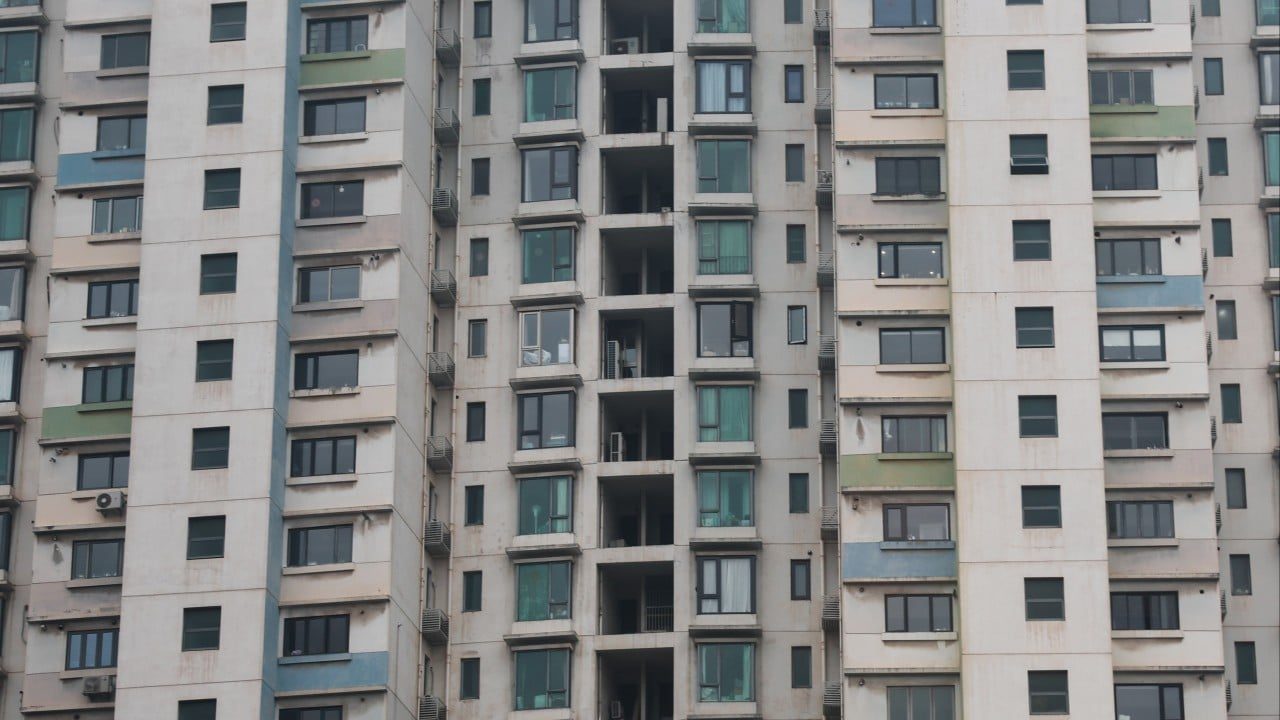
The primary drag on growth is a historic collapse in capital formation. Urban fixed-asset investment fell 5.7% in the first half of the year, a steepening from a 4.1% contraction in the first five months and worse than the 4.9% decline economists expected. This metric, which includes real estate and infrastructure, slumped for the first time in decades last year and continues to deteriorate.
Local governments are diverting resources toward debt restructuring rather than new projects, according to Tianchen Xu, a senior economist at the Economist Intelligence Unit. Xu noted a shortage of eligible projects in the pipeline, stating that "boosting infrastructure investment will be a key focus for stabilizing growth."
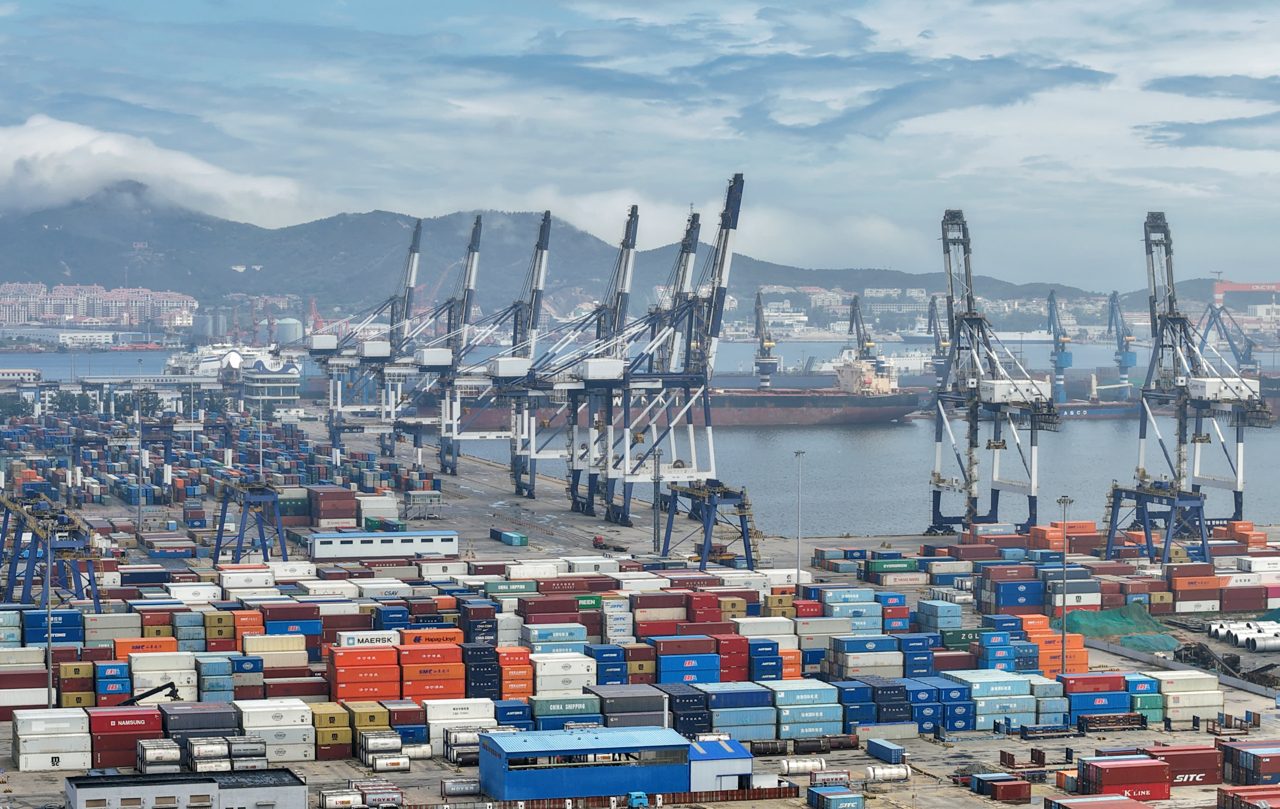
The investment slump is creating a stark divergence within the economy. While factories are producing at a robust pace—industrial output rose 5.3% in June, beating forecasts—domestic buyers are not absorbing the supply. Retail sales grew just 1% in June, a fragile rebound from May’s unexpected drop which had been dragged down by tepid demand and steep merchant discounting.
The National Statistics Bureau acknowledged an "acute" imbalance between excess supply and sluggish demand, urging policymakers to step up "counter- and cross-cyclical adjustments." Xu expects the government to answer these calls in the third quarter with ramped-up stimulus, including a policy rate cut aimed at reviving investment demand.
For investors, the data underscores a structural shift in the world's second-largest economy. Traditional growth engines of property and infrastructure are constrained by local debt limits, while new drivers like AI-linked exports fail to generate broad domestic wealth. Urban unemployment held at 5% in June, safely within Beijing's five-year target of below 5.5%, but without a recovery in consumer confidence, the supply glut will persist.