India-UK trade deal takes effect as textiles and spirits sectors eye gains
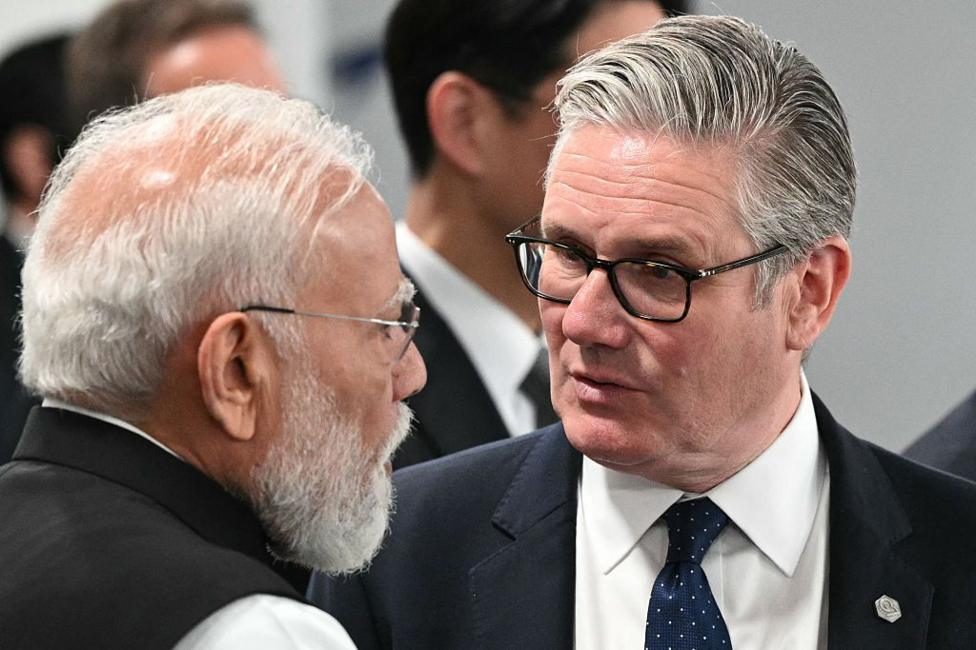
The India-UK free trade agreement has taken effect, offering targeted tariff relief for labour-heavy Indian exports and British spirits, though broader macroeconomic gains will take years to materialise.
The India-UK free trade agreement took effect on Wednesday, eliminating or reducing tariffs on 99% of Indian exports and 90% of UK imports. The British government has labelled it the most economically significant bilateral trade pact since the country left the EU. However, while specific sectors are positioning for immediate supply chain shifts, trade analysts warn the overall macro impact may be modest.
Long-term estimates project the deal will add £4.8bn ($6.4bn) to UK GDP and £5.1bn to India's GDP annually. CareEdge Research forecasts overall bilateral trade growth could accelerate to 15% per year, up from the current 10-12% pace. Yet, the Delhi-based Global Trade Research Initiative (GTRI) notes the effect could prove "incremental rather than transformational" because more than half of India's $13.4bn in exports to the UK already entered duty-free, while over 45% of the $11.7bn India imported from the UK was silver, which remains excluded.
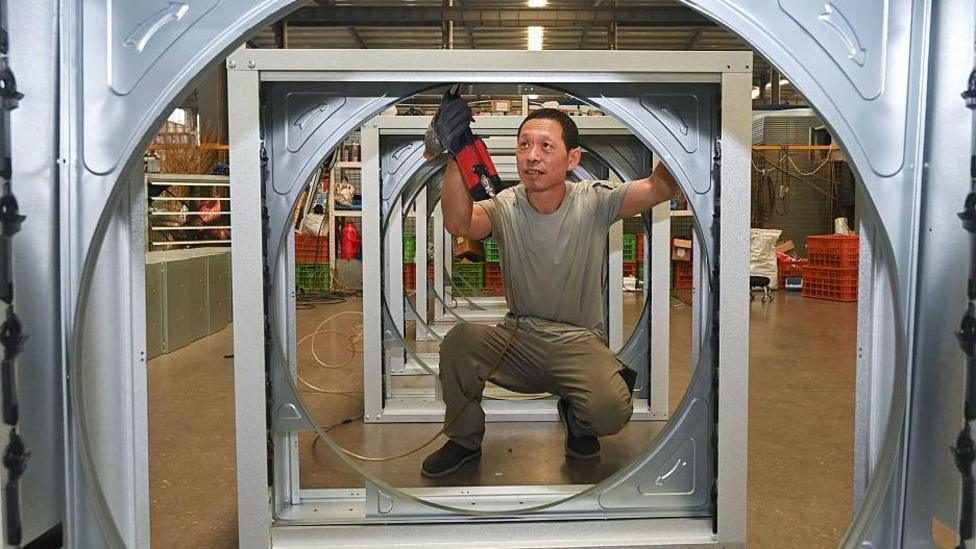
Labour-heavy manufacturing stands to gain the most. Welspun Living, a major textile supplier to British retailers like John Lewis and Tesco, expects the removal of previous 12% tariffs to close a massive gap with duty-free competitors. "Many of these brands have been in India in recent weeks to chart a business roadmap for the next few years. We typically did joint forward planning only for our US customers, but now, with the deal, it's happening with UK clients too," said CEO Dipali Goenka.
India currently holds just 6-7% of the UK home textile market compared to Pakistan's 55%. CareEdge projects India's share of the UK's ready-made garment imports will double from 6% to 12% in the medium term, capitalising on declining Chinese competitiveness and recent socio-political turmoil in Bangladesh.
For British exporters, Scotch whisky is a primary beneficiary. Tariffs drop immediately from 150% to 75%, with a planned reduction to 40% over a decade. Avneet Singh of Delhi-based import house Modern Drinks Pvt Ltd called it a "real shift, not a small tweak", but noted the industry is currently focused on logistics rather than rapid expansion. "The focus has been on getting the operational side ready. That means working closely with UK suppliers to ensure certificates of origin and other trade documentation are in place, reviewing customs and compliance requirements, and co-ordinating with logistics and clearing partners so shipments can benefit from the revised tariff structure from day one," Singh said.
Structural barriers threaten to dilute these tariff wins. GTRI's Ajay Srivastava highlighted that the UK's maintained steel import quotas and incoming carbon border taxes could effectively replace tariff costs with new trade frictions. Furthermore, India historically utilises only 20-30% of its eligible FTA preferences, as small exporters often lack the awareness or capacity to navigate origin requirements and renegotiate contracts.
"The real test is whether products that previously faced UK tariffs of 4-16% - such as textiles, garments, footwear, carpets, cars, seafood, grapes and mangoes - see higher export orders, larger export volumes and better profit margins," Srivastava said. "The government and industry associations will have to be proactive in dealing with these issues because otherwise tariff reductions will not automatically translate into higher exports." The true measure of the pact's success will not be visible for one to three years.