World Cup Golden Boot Evaluated Through Pareto Efficiency
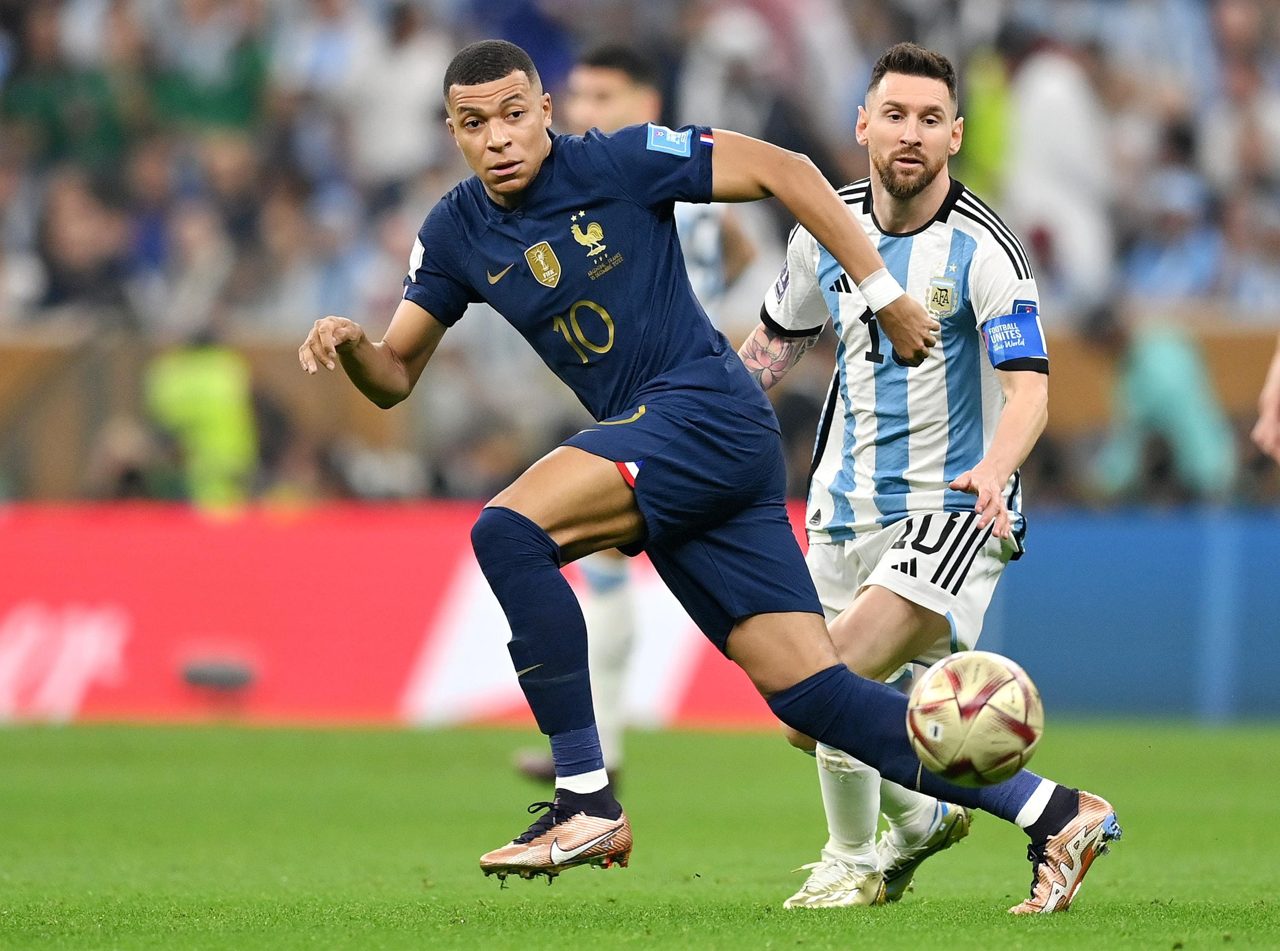
Applying an economic Pareto framework to World Cup scoring reveals Kylian Mbappé as the most efficient high-volume striker, offering a data-driven model for how sports franchises can optimize the allocation of playing time across high-value talent.
Kylian Mbappé and Lionel Messi lead the 2026 World Cup Golden Boot race with eight goals each, followed by Erling Haaland with seven. Harry Kane and Jude Bellingham sit just behind at six goals apiece. However, treating goals as output and minutes played as input shifts the analytical focus from cumulative volume to resource efficiency.
This economic lens transforms the Golden Boot into an optimization problem. For club executives and investors evaluating high-value soccer assets, raw goal totals obscure the cost of generating that production. Minutes on the pitch represent a scarce resource, making the marginal return per minute a critical metric for measuring return on investment.
The underlying scoring distribution underscores the scarcity of elite production. Going into the semifinals, 77.9% of the 240 eligible players with at least 120 minutes scored one goal or none. Reaching the upper tail requires sustained performance that very few assets can deliver across multiple tournament appearances.
Applying a Pareto frontier—widely used in finance to evaluate tradeoffs involving scarce resources—identifies the most efficient goal-to-minute combinations. A player is dominated if another scores at least as many goals in fewer minutes. The resulting efficiency curve is defined by just three players: Auston Trusty (one goal in 123 minutes), Deniz Undav (three goals in 174 minutes) and Mbappé (eight goals in 587 minutes).
The frontier demonstrates diminishing marginal returns as production scales. Moving from Trusty to Undav requires only 25.5 additional minutes per goal. Extending the curve from Undav to Mbappé’s tournament-leading total demands 82.6 additional minutes per goal. This concave slope illustrates the escalating cost of high-volume output.
While Mbappé anchors the high-output end, the rate statistics reveal value hidden by cumulative standings. Undav leads the entire field at 1.55 goals per 90 minutes, vastly outpacing Kane and Bellingham, who score at 0.86 and 0.94 per 90 respectively.
For franchise operators, this framework moves beyond simple standings to identify which players extract the most value from their allotted resources. Undav’s position suggests underutilized capital that carries meaningful upside if granted expanded opportunity. Ultimately, total goals determine the individual award, but Pareto efficiency determines true asset productivity.