itel sells out first Nigerian air conditioner in eight hours
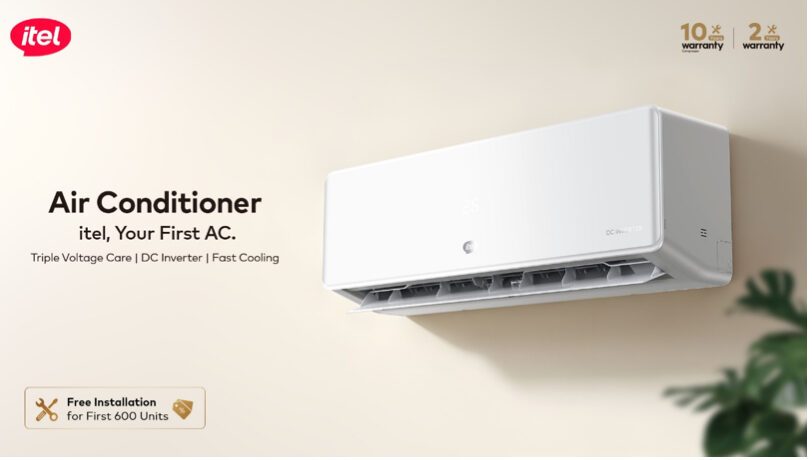
Consumer electronics brand itel has cleared its inaugural Nigerian air conditioner stock in under eight hours, signaling strong demand for budget cooling appliances amid high energy costs.
itel has sold out of its first-ever air conditioner line in Nigeria just eight hours after the product launch. The rapid depletion of inventory across major retail outlets, authorized dealerships, and itel Home official stores highlights a significant unmet demand for affordable cooling technology in Africa's largest economy.
The launch marks a strategic expansion for the company beyond its core mobile phone business. Established over 15 years ago, itel currently holds the position of the top global smartphone brand under $75 and the leading feature phone brand, rankings it secured in 2024. By introducing heavy home appliances, the manufacturer is leveraging its existing mass-market distribution network to capture consumer spending on household upgrades.
Macroeconomic conditions in Nigeria are driving the demand for energy-efficient cooling. Consumers are navigating a combination of rising temperatures and escalating electricity costs. itel's new units are equipped with a 5-level DC inverter system that reduces power consumption by 70%, alongside a turbo mode designed to lower room temperatures within five minutes of activation.
To mitigate the traditional risks associated with durable goods in emerging markets, itel is backing the air conditioners with extended service guarantees. The company is offering a two-year warranty on the unit and a 10-year warranty specifically on the compressor. This is supported by a 24-hour service turnaround network operating in key Nigerian cities.
This Nigerian debut serves as a test case for itel's broader geographical footprint. The company operates in more than 80 emerging markets across Sub-Saharan Africa, Southeast Asia, South Asia, the Middle East, and Latin America. If the appliance line sustains its early momentum, the air conditioner could become a template for diversifying the brand's revenue streams beyond mobile devices in other developing economies facing similar climate and energy challenges. The product's rapid adoption indicates that budget-focused consumers are willing to invest in premium home upgrades when manufacturers adequately address ongoing energy cost concerns.