German Coal Sites Draw Geothermal Investment as ETS Accelerates Exit
Exploratory drilling near the Weisweiler coal plant indicates strong geothermal potential, offering a concrete investment pathway as EU carbon pricing forces an early coal phase-out in Germany.
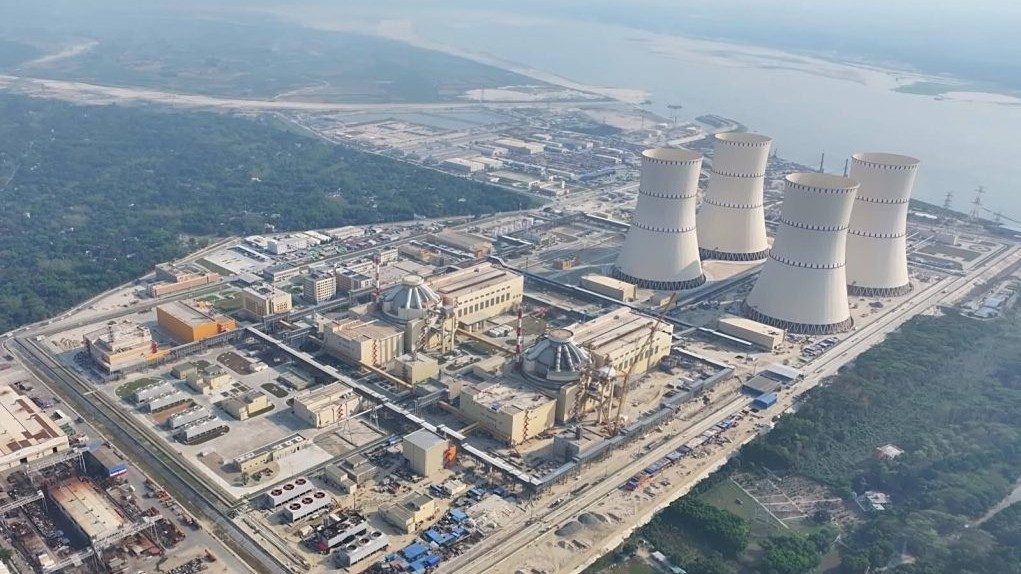
New geological data from exploratory drilling near Weisweiler in the German Rhineland indicates the site is highly suitable for geothermal energy development. The drilling is taking place adjacent to a major coal-fired power plant that is slated for closure by 2029.
The findings are expected to accelerate the deployment of geothermal heating systems in the area. By reducing the geological uncertainty that typically deters capital, this initial study could attract substantial investment into the Rhineland. The region is currently attempting to retool its legacy coal infrastructure for renewable energy applications, offering a viable pathway for a localized just transition.
Geothermal energy is drawing increased interest because it provides round-the-clock power without greenhouse gas emissions. Germany needs these baseload alternatives to maintain grid stability as it targets a 100 percent renewable energy mix by 2035. While wind and solar capacity has expanded rapidly to replace Russian fossil fuel imports, the country requires reliable 24/7 clean energy sources to fully decarbonize.
The urgency for replacement baseload is compounded by market dynamics that are systematically pricing coal out of the German electricity grid. Hauke Hermann, a senior researcher for energy and climate action at the Institute for Applied Ecology, expects coal to be entirely phased out by 2032. This would beat the legally binding 2038 deadline by six years.
“Our electricity market models indicate that coal will be phased out faster than envisaged under the coal exit agreement, meaning the market is outpacing the schedule,” Hermann said. He cited elevated European Union Emissions Trading System allowance prices and recent natural gas price trends as the primary economic drivers forcing coal offline.
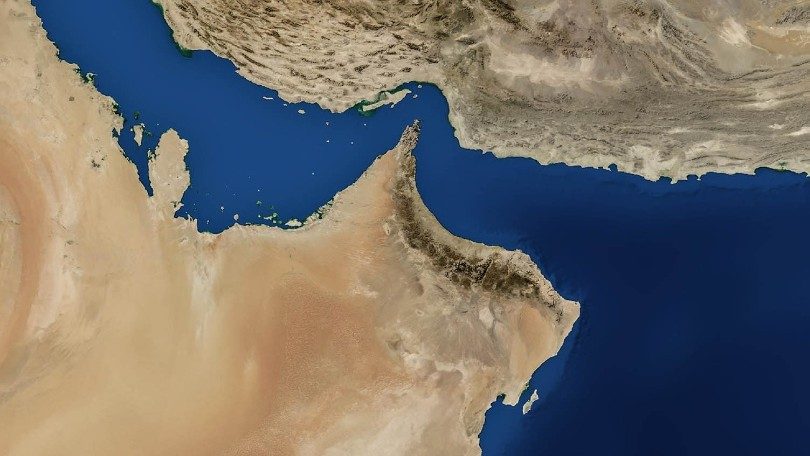
This market-driven reality stands in sharp contrast to recent political signalling. When the Strait of Hormuz shutdown triggered Europe's third energy crisis in four years this March, Chancellor Friedrich Merz publicly prioritized energy security over strict climate timelines. “We must supply this country with electricity. I am not prepared to jeopardise the core of our industry simply because we have adopted phase-out plans that have become unrealistic,” Merz stated.
Despite this political hedging, the economic trajectory appears set. The Weisweiler drilling marks the first step in a broader data-gathering operation. Future surveys will utilize deeper drilling and seismic imaging to locate commercial geothermal reservoirs, potentially establishing former coal regions as hubs for continuous clean energy generation.