UK gilt yields surge past 5% as Bailey urges US AI cooperation
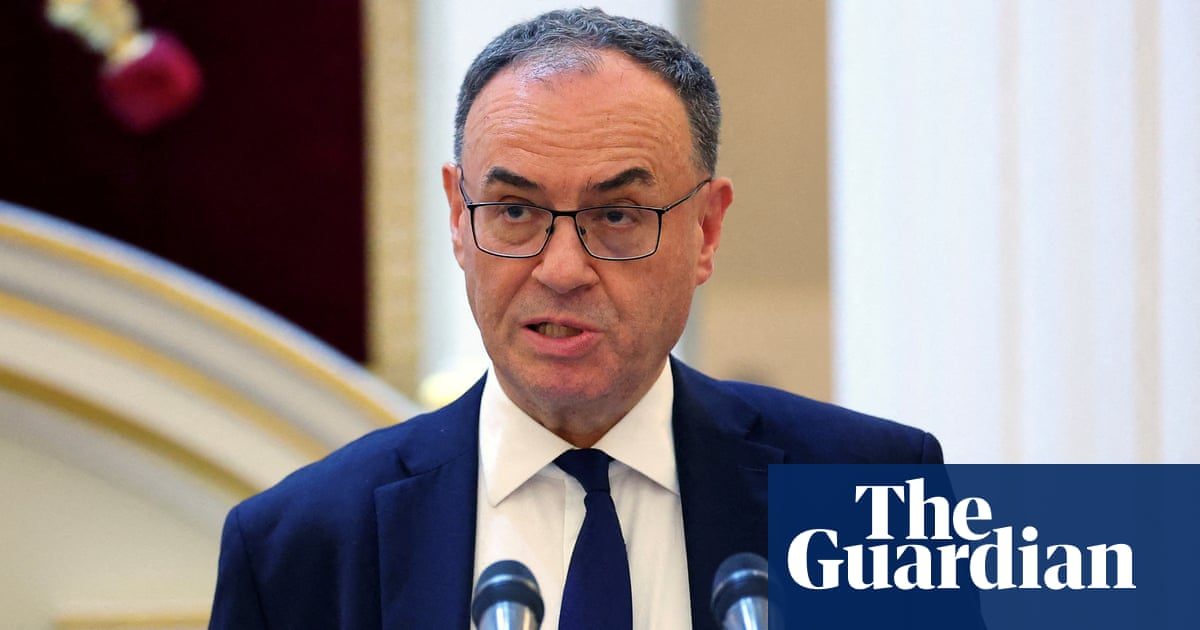
Bank of England governor Andrew Bailey has warned the US cannot secure global financial systems against AI threats in isolation, as rising geopolitical risks push UK borrowing costs higher and erode the incoming chancellor's fiscal headroom.
Bank of England governor Andrew Bailey has warned the US that it cannot protect its financial system from artificial intelligence threats without international cooperation. His comments at the annual Mansion House dinner came as 10-year UK government bond yields surpassed 5% for the first time since May, driven by the collapse of a US-Iran memorandum of understanding and subsequent Middle East hostilities.
Bailey’s remarks directly addressed the Trump administration’s recent temporary ban on foreigners accessing Anthropic’s Claude Mythos model. He argued that because global finance relies on highly interconnected cross-border systems, unilateral American action is insufficient to prevent bad actors from deploying destabilising digital tools. “The US can’t achieve what it sensibly wants to achieve, in terms of strengthening defences, on its own,” Bailey said.
The call for coordinated safety testing aligns with a separate proposal from Demis Hassabis, the British founder of Google Deepmind. Hassabis urged the creation of a US-led global AI watchdog to halt the development of risky models, noting that artificial intelligence matching human cognitive capabilities is "probably only a few short years away."
Narrowing fiscal buffer
Bailey’s warning accompanied a farewell speech from Chancellor Rachel Reeves, who is expected to leave the Treasury next week as Andy Burnham becomes prime minister. Reeves defended her fiscal record by pointing to a reduction in borrowing from 5.2% to 4.2% of GDP, but acknowledged that resurgent geopolitical volatility continues to test economic resilience.
For markets, the immediate concern is how sustained gilt yields above 5% will impact the public finances. Yields spiked on Tuesday before retreating slightly after Trump appeared to drop a threat to impose a 20% levy on ships transiting the Strait of Hormuz. If higher borrowing costs persist, they will eat into the £23.6bn of fiscal headroom Reeves established at the March forecast.
The incoming chancellor will inherit this constrained balance sheet alongside specific spending pressures. The Treasury must find an additional £4.7bn over the next four years to fund a defence investment plan. Furthermore, the new government will likely face calls for a cost-of-living package to offset anticipated increases in winter energy bills, a fiscal challenge that will require 10 weeks’ notice to the Office for Budget Responsibility ahead of an autumn budget.