UK targets early 2027 for first digital sovereign bond
Britain will launch its first tokenised sovereign bond next year, a move that could lower trading costs and establish a new form of high-quality collateral for the Bank of England.
Britain plans to issue its first digital sovereign bond by early 2027, finance minister Rachel Reeves announced on Tuesday. The issuance would make the UK the first major advanced economy to sell a tokenised government bond. Reeves disclosed the timeline during her annual Mansion House speech in the City of London.
The offering is part of a pilot programme for a "Digital Gilt Instrument" that was initially announced back in 2024. The UK finance ministry selected global bank HSBC in February to operate the underlying blockchain platform for the tokenised debt. Following the initial sale, the government intends to conduct further issuances.
The core objective of the ongoing pilot is to test whether distributed-ledger technology can improve capital market plumbing. For financial institutions, successful implementation would translate directly into greater operational efficiency and reduced costs. By moving gilts onto a blockchain, the government aims to streamline the settlement lifecycle for dealers and investors.
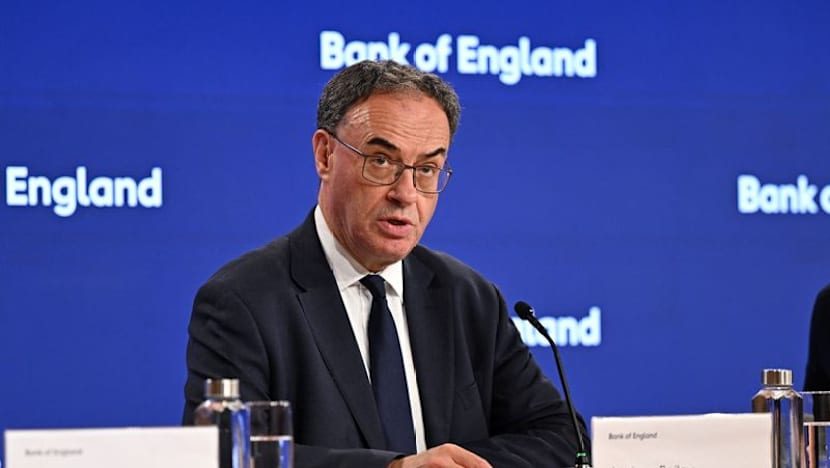
Crucially for market professionals, the Bank of England is preparing to integrate the new instrument into its own infrastructure. Addressing the same gathering, central bank Governor Andrew Bailey outlined plans to make the tokenised debt eligible for use in BoE market operations. This regulatory step means the digital gilt will be accepted as collateral, a critical requirement for institutional balance sheets.
The UK's push into digital debt reflects a broader effort by major financial centres to modernise settlement infrastructure. By establishing a functioning, central bank-backed collateral framework alongside the issuance, London is attempting to set the global standard for sovereign tokenisation. Market participants will now watch the HSBC-led platform build closely to see if these theoretical cost savings and efficiency gains can actually materialise in live trading conditions.