Healthy Housing Market Stalled by Supply Limits
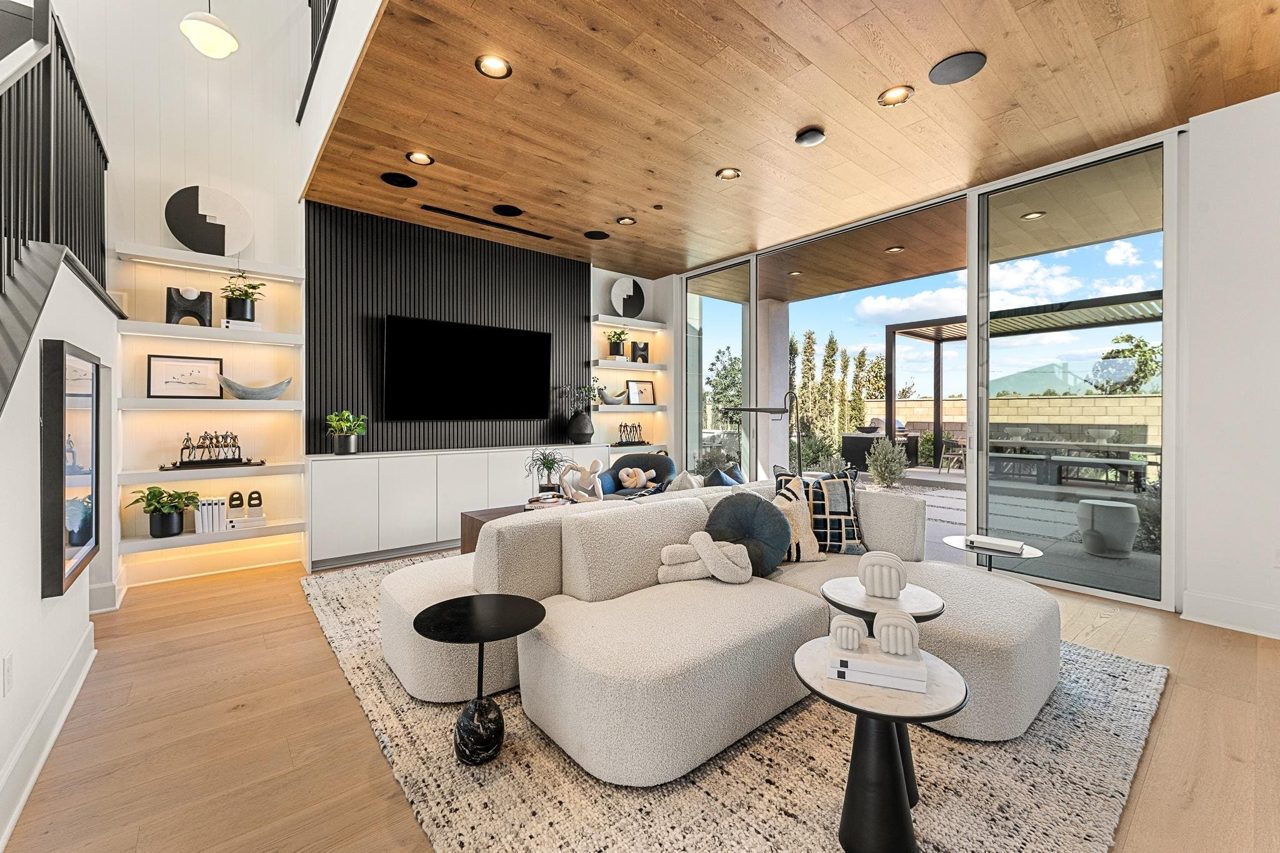
Consumer willingness to pay hefty premiums for health-focused home features is colliding with raw material shortages and builder reluctance, keeping the wellness housing market confined to the luxury segment.
Half of US buyers are prepared to pay thousands of dollars in upfront premiums for health-focused residential features, yet the shift has failed to reach the mass housing market. According to COGNITION Smart Data, 27% of buyers will pay an extra $5,000 to $10,000 for features that lower long-term ownership costs, while 23% will spend over $10,000. McKinsey reports that health and wellness is a top home priority for 84% of consumers.
The push is driven by the high economic cost of building-related illnesses, with mold and dampness costing the U.S. economy $5.6 billion annually, including $3.6 billion in asthma healthcare costs alone. Consequently, homeowners are moving away from traditional materials like spray foam and formaldehyde-treated products toward natural, mold-resistant alternatives.
Despite this willingness to pay, demand remains heavily concentrated at the top of the market. Gareth Hayes, a senior partner at Roland Berger, noted that outside of specialized sectors like hotels and hospitals, wellness features are not driving purchasing decisions. “In a standard, market-rate multifamily building, health and wellness isn’t winning,” he said.
Hayes argues that consumers will not spend solely for health benefits, but will make the switch only if it directly impacts their finances. The residential market currently relies on early adoption from kitchen and bath manufacturers like Kohler and Moen, which are integrating water filtration and health monitoring into connected smart home systems.
Even if broader demand materialized, the residential supply chain could not currently support a full transition. Sustainable alternatives face severe raw material scarcity. Hayes pointed to green concrete and green steel as examples where limited supply forces prioritization across competing industries like automobiles and trains.
The wood supply chain highlights both the bottleneck and the potential. Ben Christensen, CEO of wood marketplace Cambium, estimates the U.S. wastes about 426 million tons of wood annually, which could replace over half of current demand. Currently, less than 5% of that wasted material is reused.
Market-wide innovation remains unlikely without intervention from top-tier production builders or regulatory codes. “If Pulte, Meritage and KB Home want to use only triple glaze windows, there will be innovation behind that and the distribution channel will figure out how to get it there,” Hayes said. Until such mandates arrive, broader adoption of low-VOC materials and EMF shielding will remain a niche premium.