SoftBank’s Son dismisses AI bubble fears, forecasts $5T annual spend
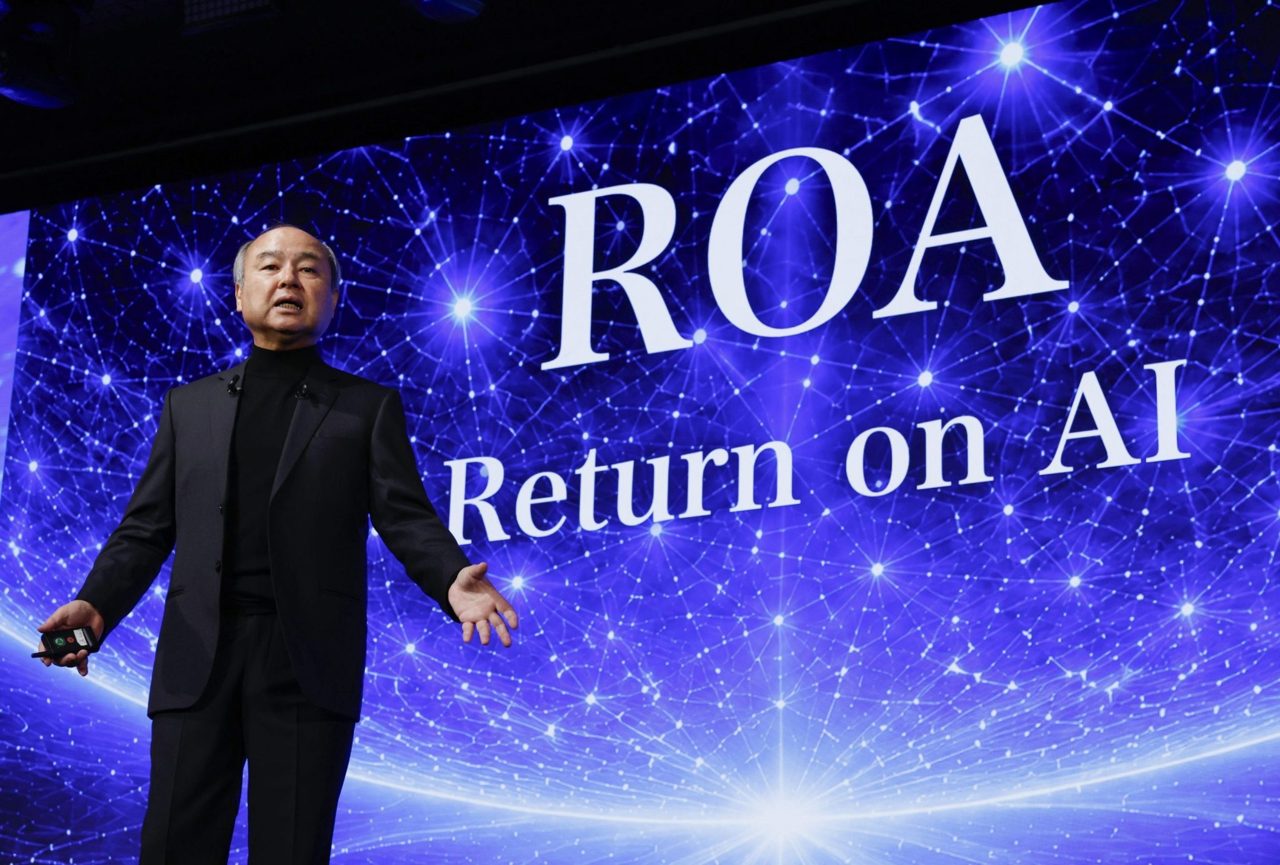
SoftBank CEO Masayoshi Son rejected market anxieties over an AI bubble, projecting that global infrastructure for the technology will require $5 trillion in yearly investment.
SoftBank Group CEO Masayoshi Son dismissed mounting market fears of an artificial intelligence bubble on Tuesday, arguing instead that the technology demands a staggering $5 trillion in annual global investment. Speaking to executives at an annual company event in Tokyo, Son outlined the massive capital required to expand data centers, increase semiconductor production, and build out energy systems.
Financial markets have recently been swept by waves of concern regarding the sustainability of the AI boom. Investors worry that soaring valuations for chipmakers like Nvidia and the billions being poured into data center construction will fail to generate the hoped-for returns. Son rejected these doubts as fundamentally misguided. “To ask whether AI is a bubble is a foolish question,” he said. “AI will transform our lives completely, and do so in a way that generates profits.”
SoftBank is actively structuring its portfolio around this anticipated infrastructure cycle. The tech conglomerate made the strategic decision to sell its stake in Nvidia last year. Son utilized those freed-up funds to double down on AI and data center investments, committing $34.6 billion to OpenAI. Anticipating that computing demands will severely strain existing power grids, SoftBank also recently launched a battery business in Japan to supply next-generation electric power infrastructure.
The company’s recent earnings provide a snapshot of how this strategy is currently performing. For the fiscal year through March, SoftBank’s profits soared nearly five-fold to 5 trillion yen, equivalent to $32 billion. The tech giant credited this surge directly to its early AI investments paying off. SoftBank oversees these technology bets through its Vision Funds, while also maintaining significant telecommunications and energy divisions.
Son’s long-term thesis rests on a profound macroeconomic shift driven by superintelligence. He projected that by 2040, roughly 20% of global GDP will be replaced by AI-related industries. This target underscores why he views the current market skepticism as short-sighted. “Those who refuse to evolve are closing down their world,” Son warned the assembled executives. “Those who condemn AI are themselves spitting upward.”