Brazil, neighbors sign South America open skies deal
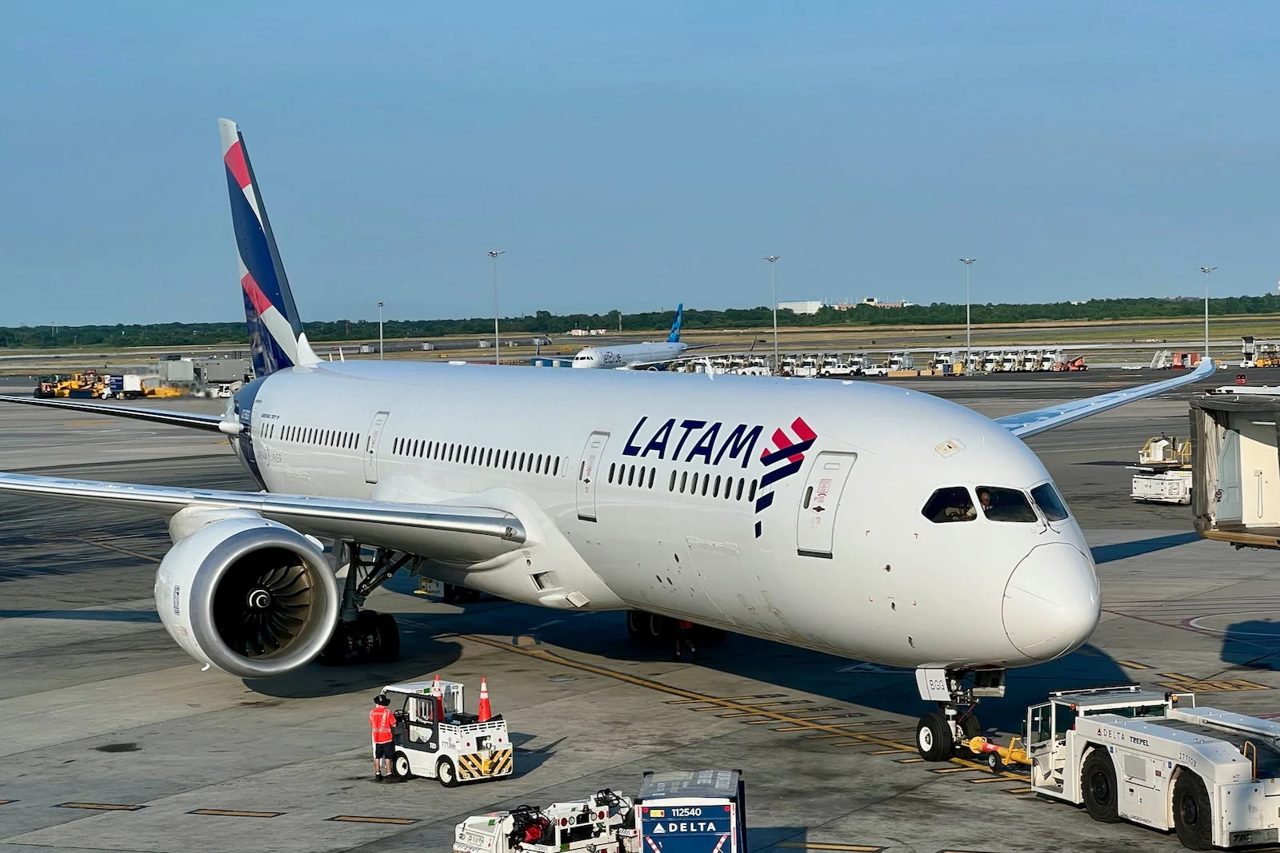
Brazil, Argentina, Chile and Paraguay have agreed to lay the groundwork for a unified aviation market, a long-term move that could reshape airline competition and lower fares across the continent.
Brazil, Argentina, Chile and Paraguay signed a memorandum in Asunción this week to establish the South American Air Liberalization Agreement, known as ALAS. Brazil's ports and airports minister, Tomé Franca, represented his country in the deal, which aims to eventually allow airlines to operate freely across the region's borders.
The framework is explicitly modelled on the European Union’s single aviation market. If fully realised, it would grant airlines reciprocal cabotage rights, permitting a Brazilian carrier to fly domestic routes in Argentina, and vice versa. It also envisions allowing carriers to fly between two foreign countries without touching their home base—a privilege currently restricted mostly to cargo operations.
The document itself does not immediately open borders. Instead, it establishes a working group with up to twelve months to draft the common rules needed to make integration functional. The technical agenda covers harmonising regulations, mutually recognising pilot licences and airworthiness certificates, easing operational hurdles, and aligning passenger rights across the four nations.
For airline executives and investors, the agreement signals a potential structural shift in how regional carriers scale their operations. Brazil’s aviation sector is already experiencing rapid growth and a wave of consolidation. By removing restrictive bilateral frameworks, ALAS could empower carriers to rationalise networks and add routes to underserved smaller cities that dominant legacy airlines typically bypass.
Open-skies frameworks historically pressure fares downward by boosting competition and route frequency. However, the financial benefits for carriers and consumers remain years away. The agreement is a procedural starting point, and each country retains its own sovereign legal framework. The ultimate shape of the market depends entirely on the outcome of the forthcoming negotiations.
The broader economic prize is continental scale. A unified airspace would knit South American economies closer together, facilitating business travel and turning distant capitals into more accessible day trips. The ALAS signing was accompanied by a separate bilateral air services memorandum between Brazil and Paraguay, and dovetails with Brazil's current effort to refresh its internal guidelines for negotiating government-to-government air service agreements.